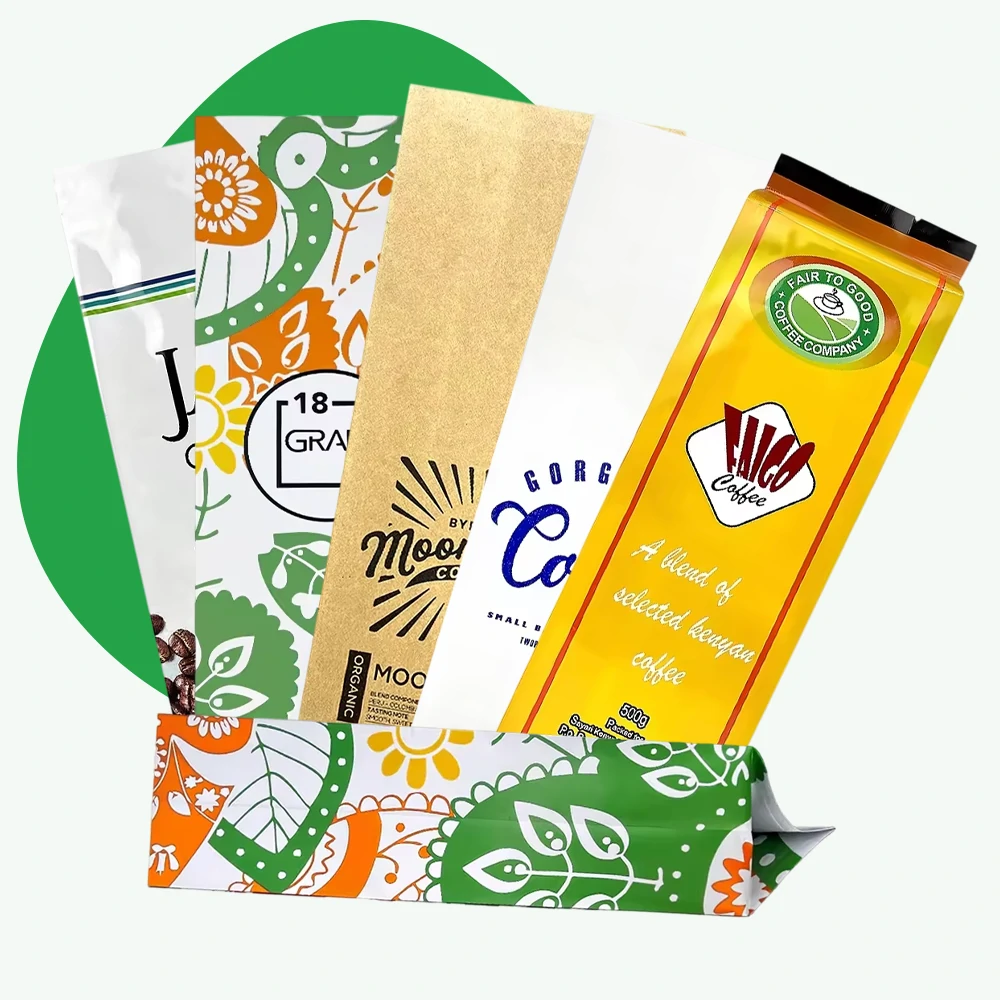
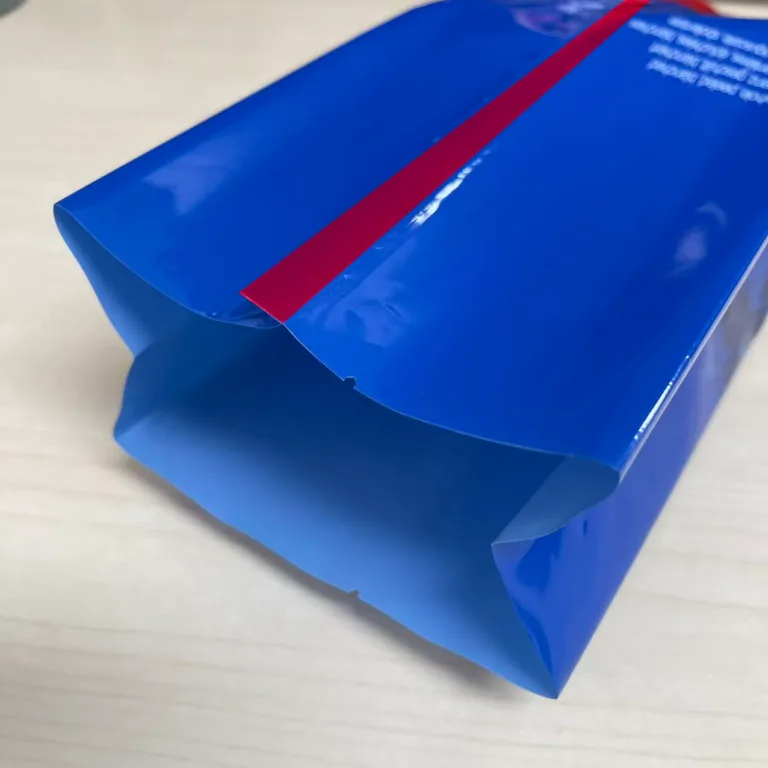
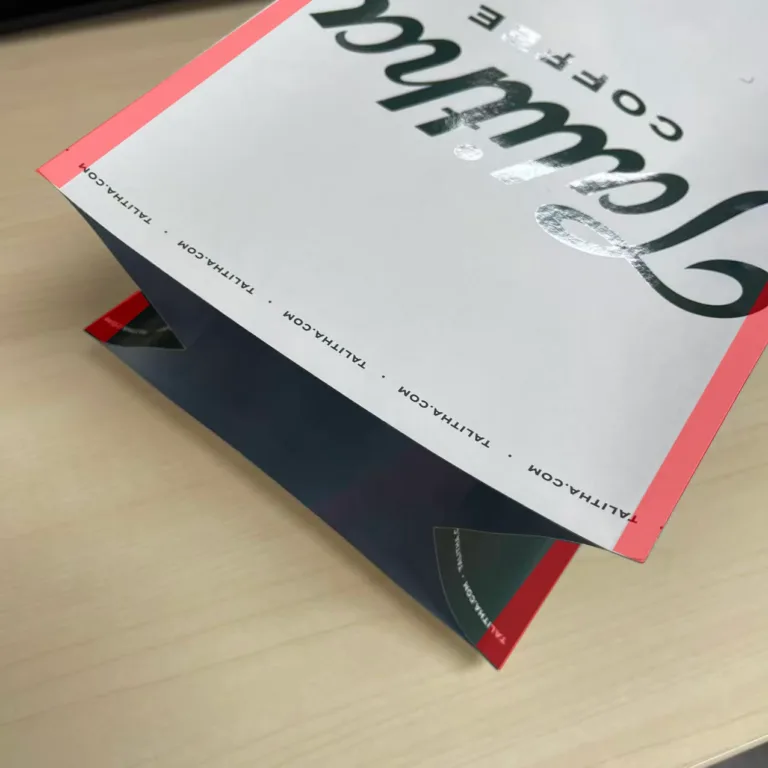
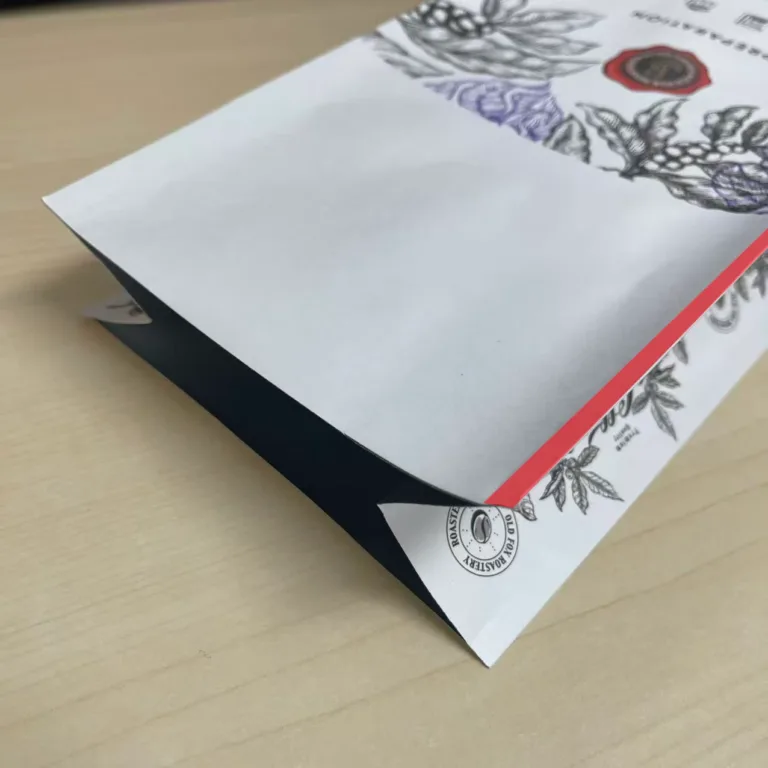
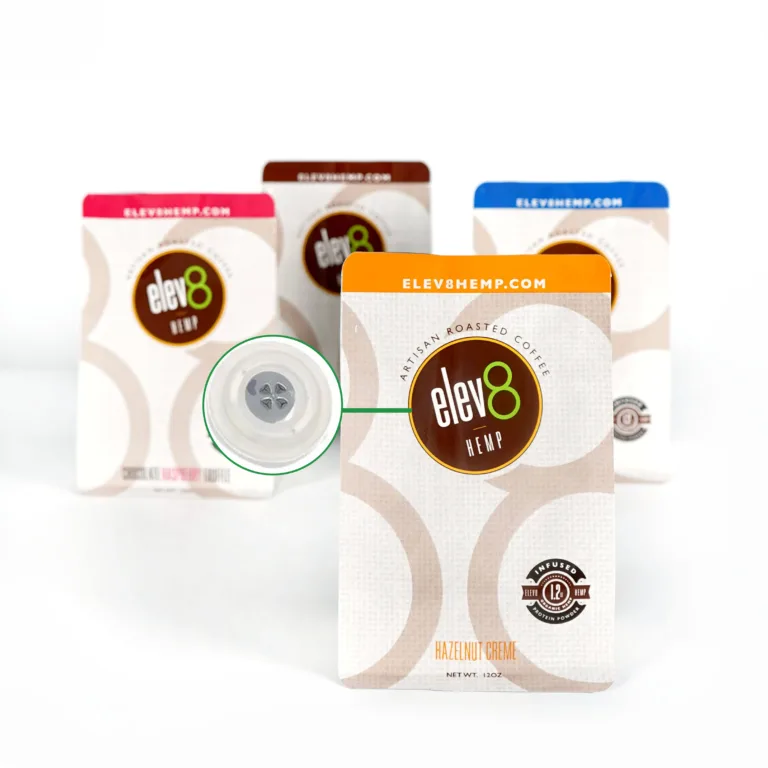
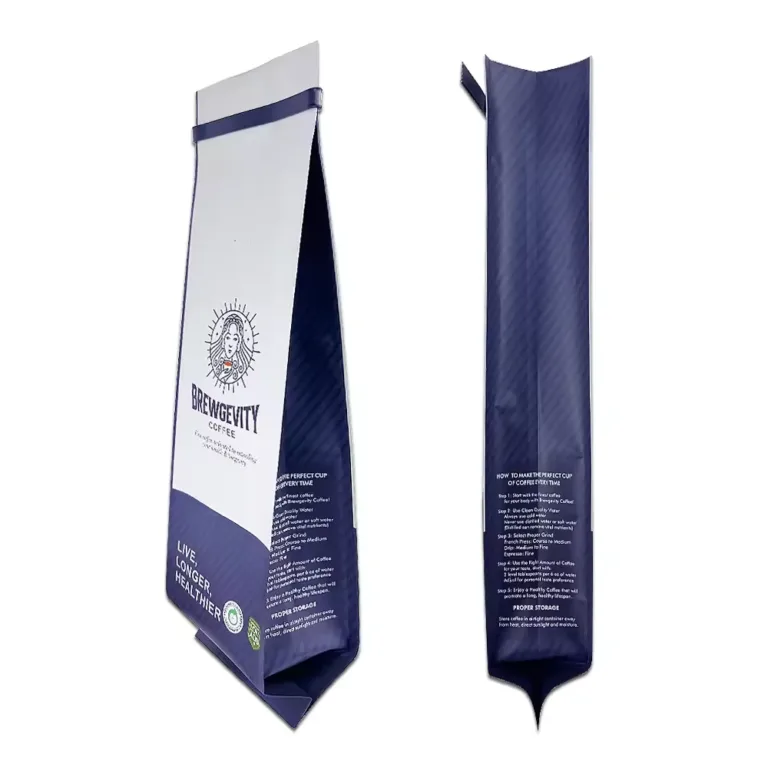
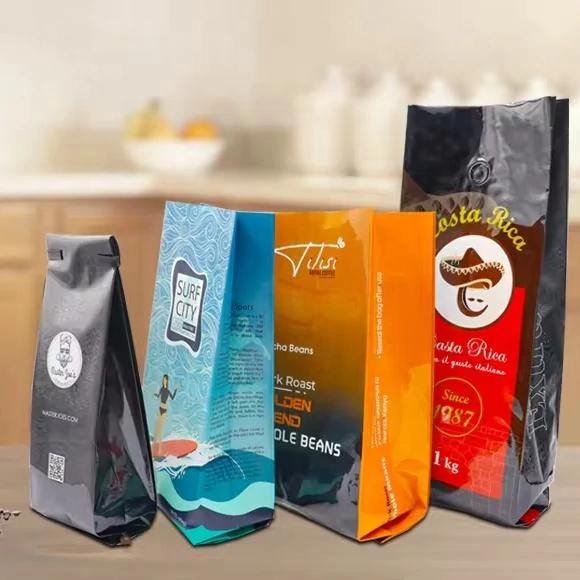
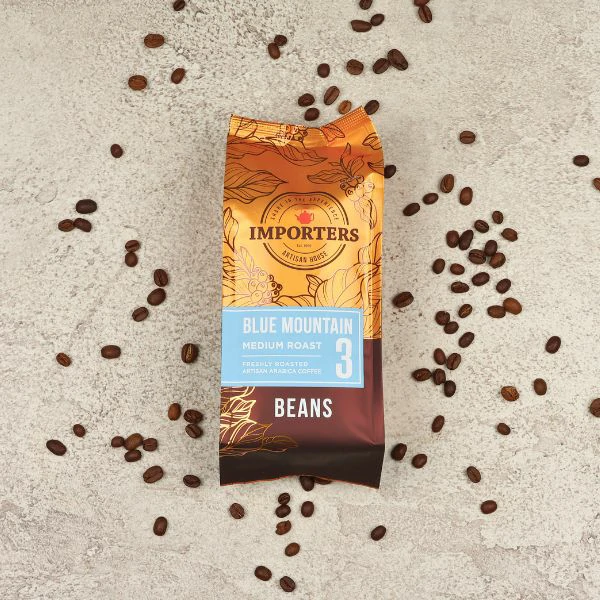
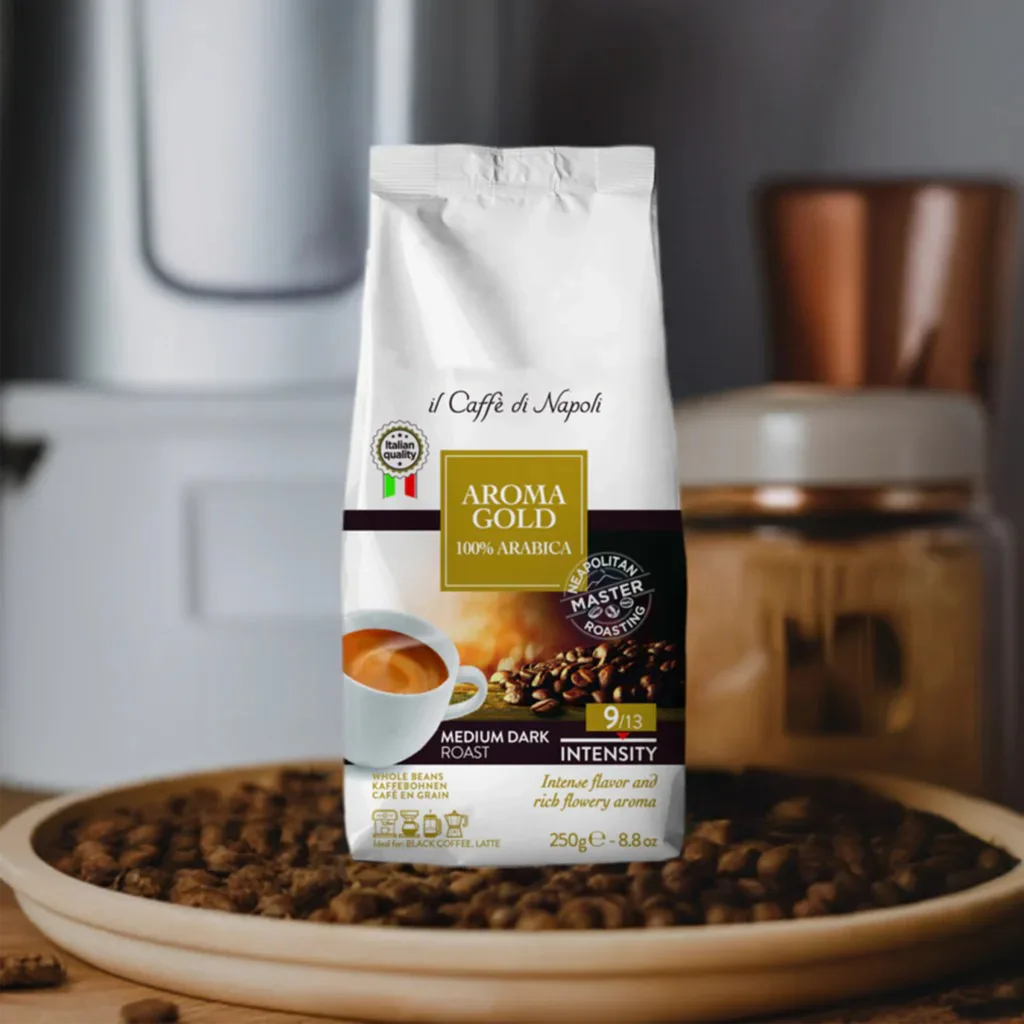
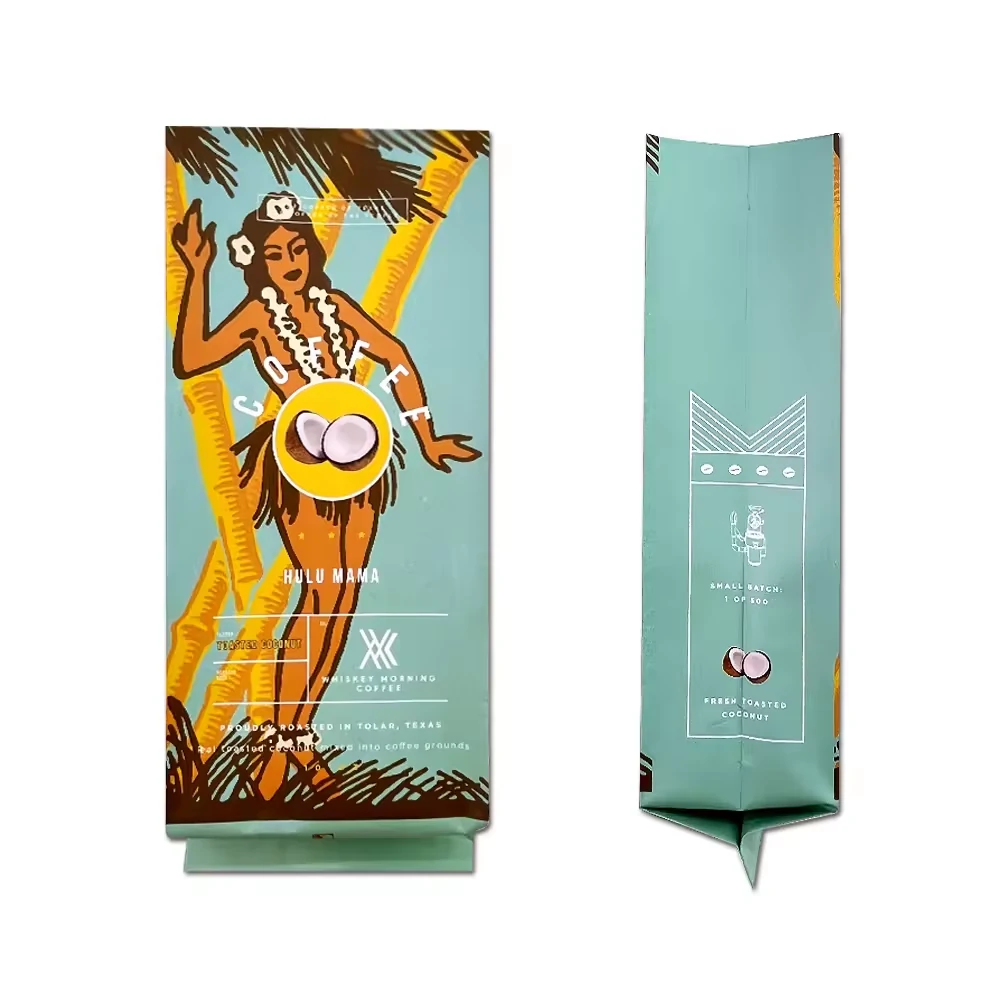
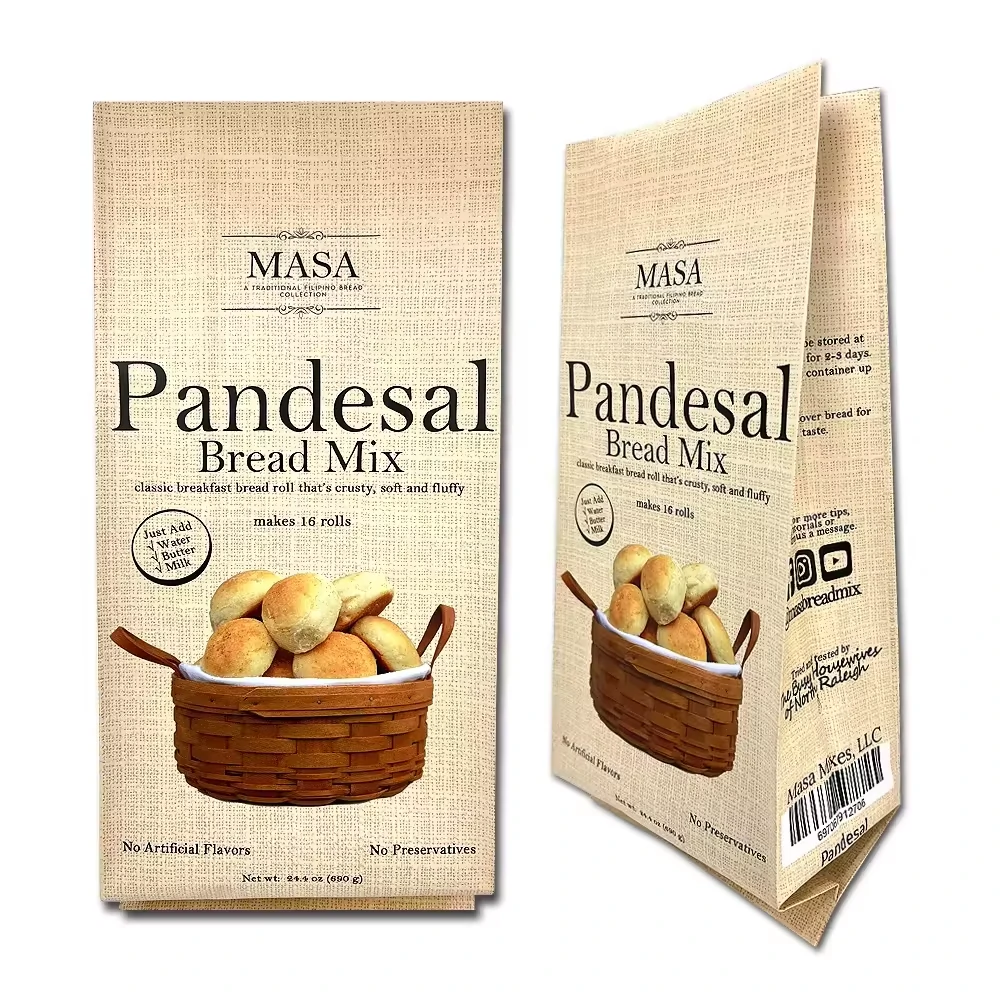
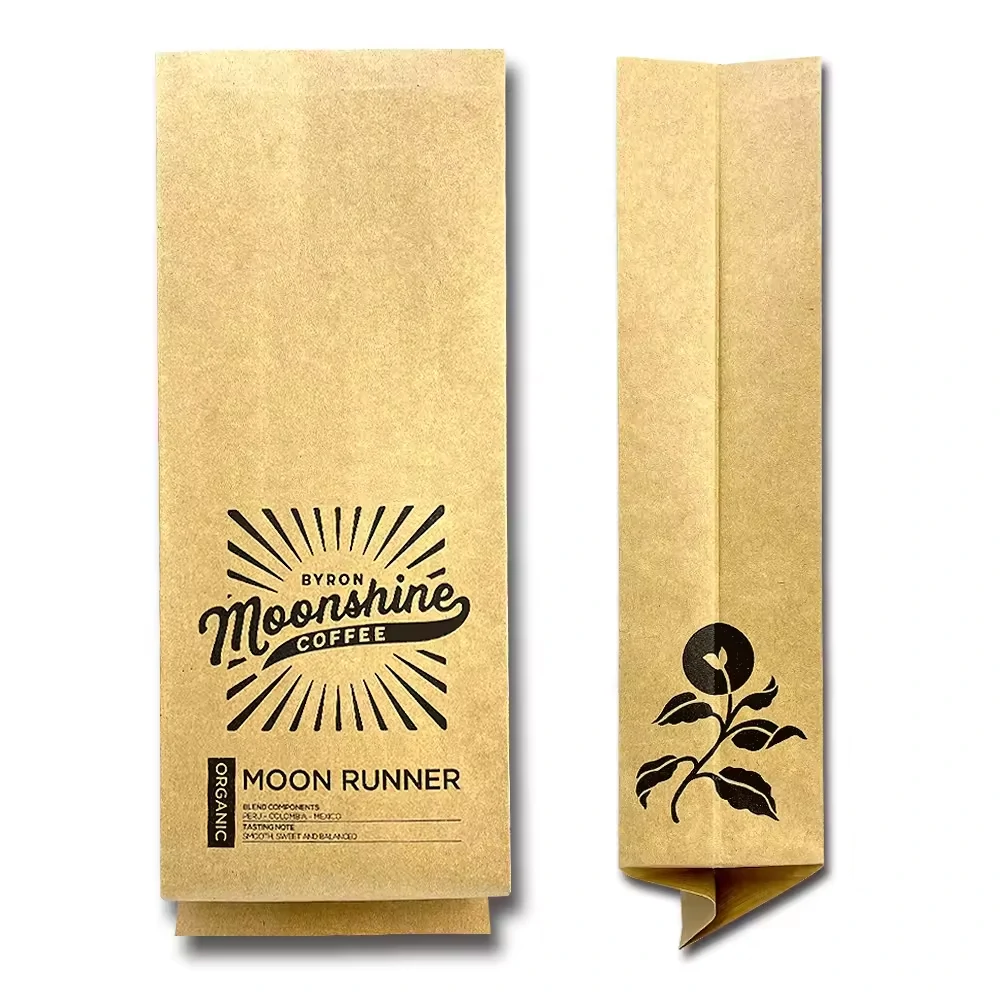
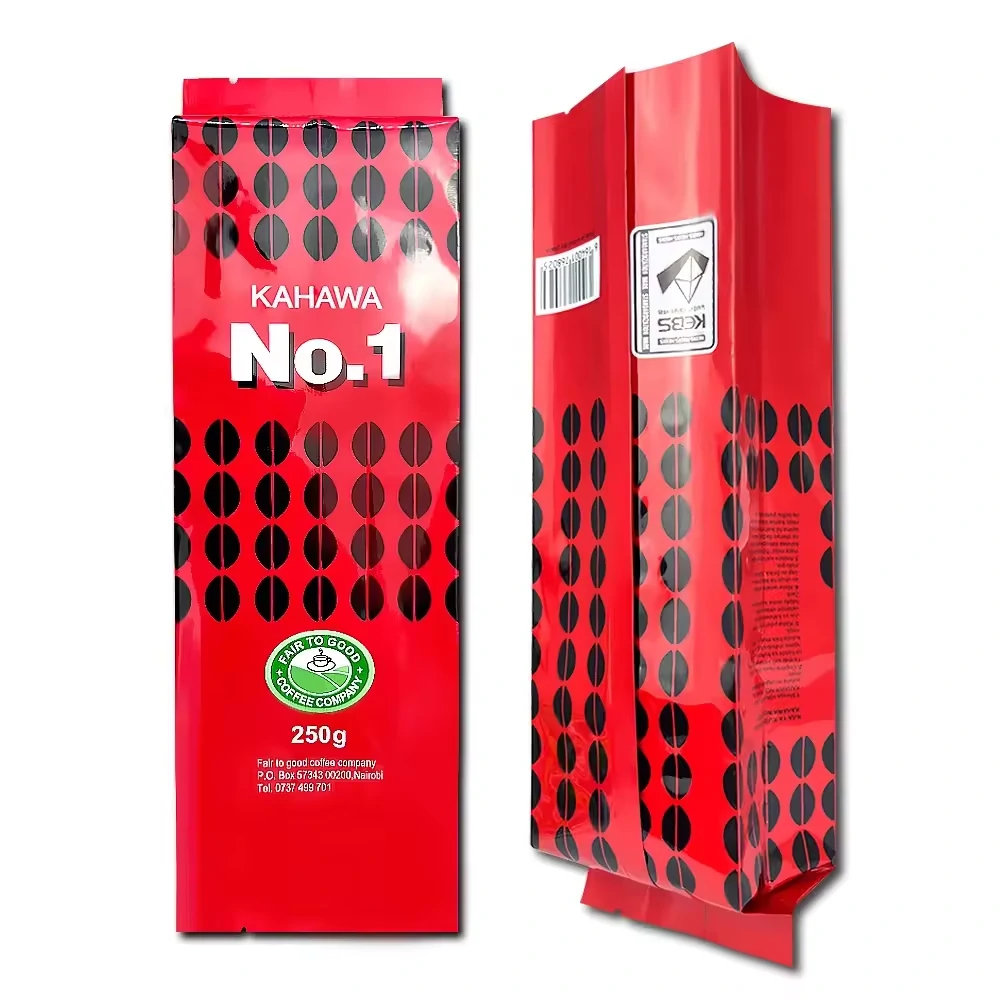
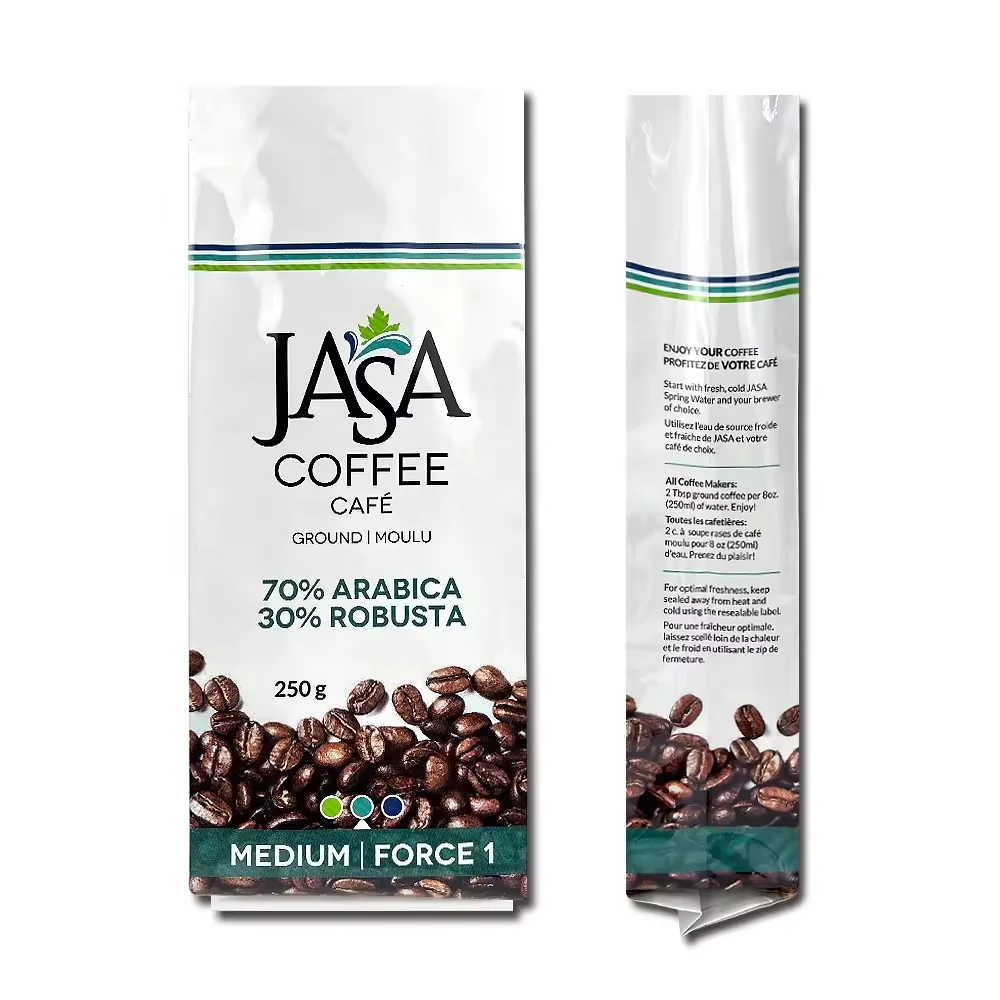
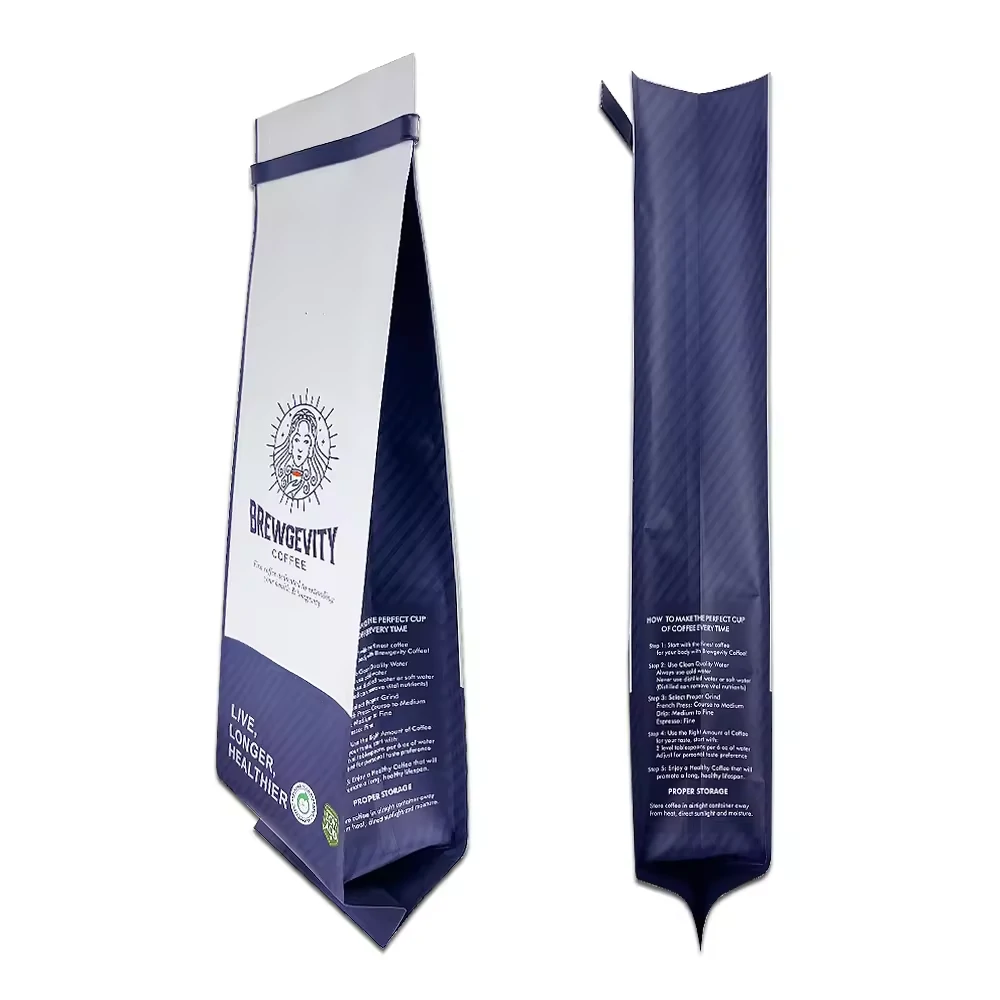
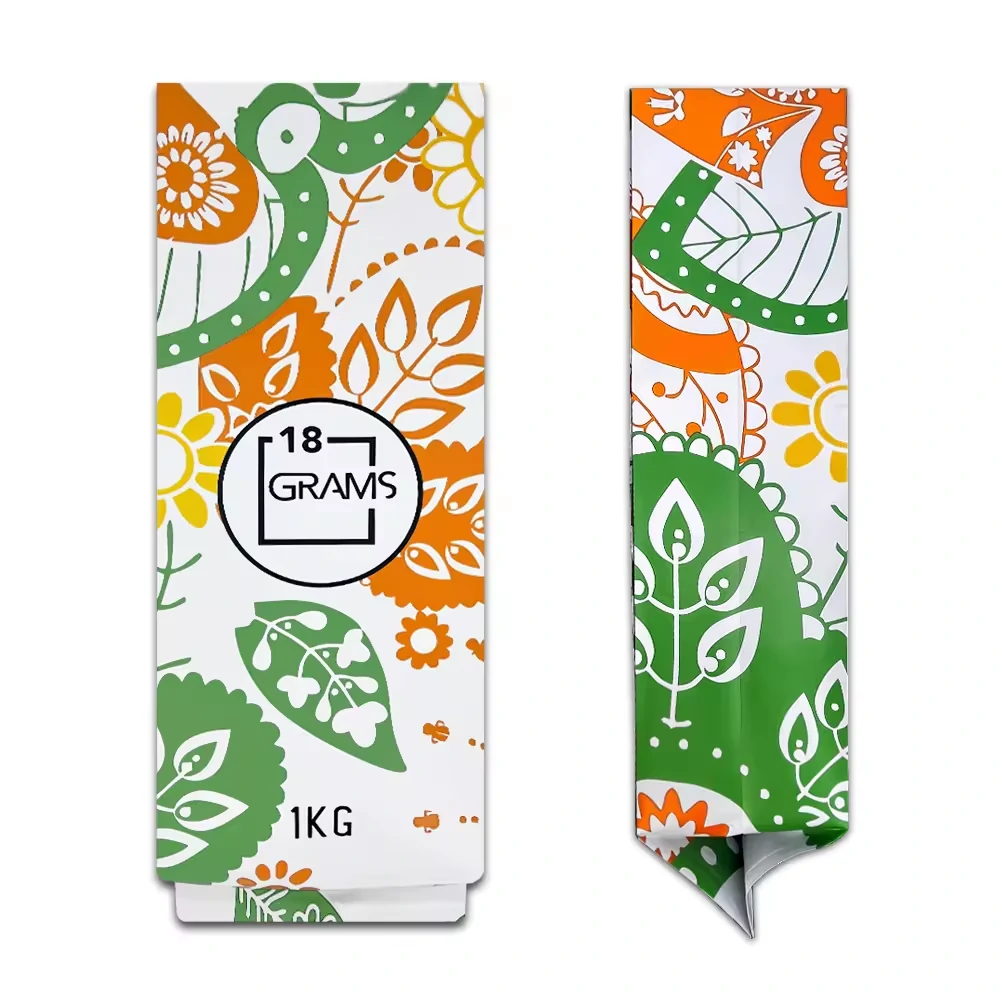
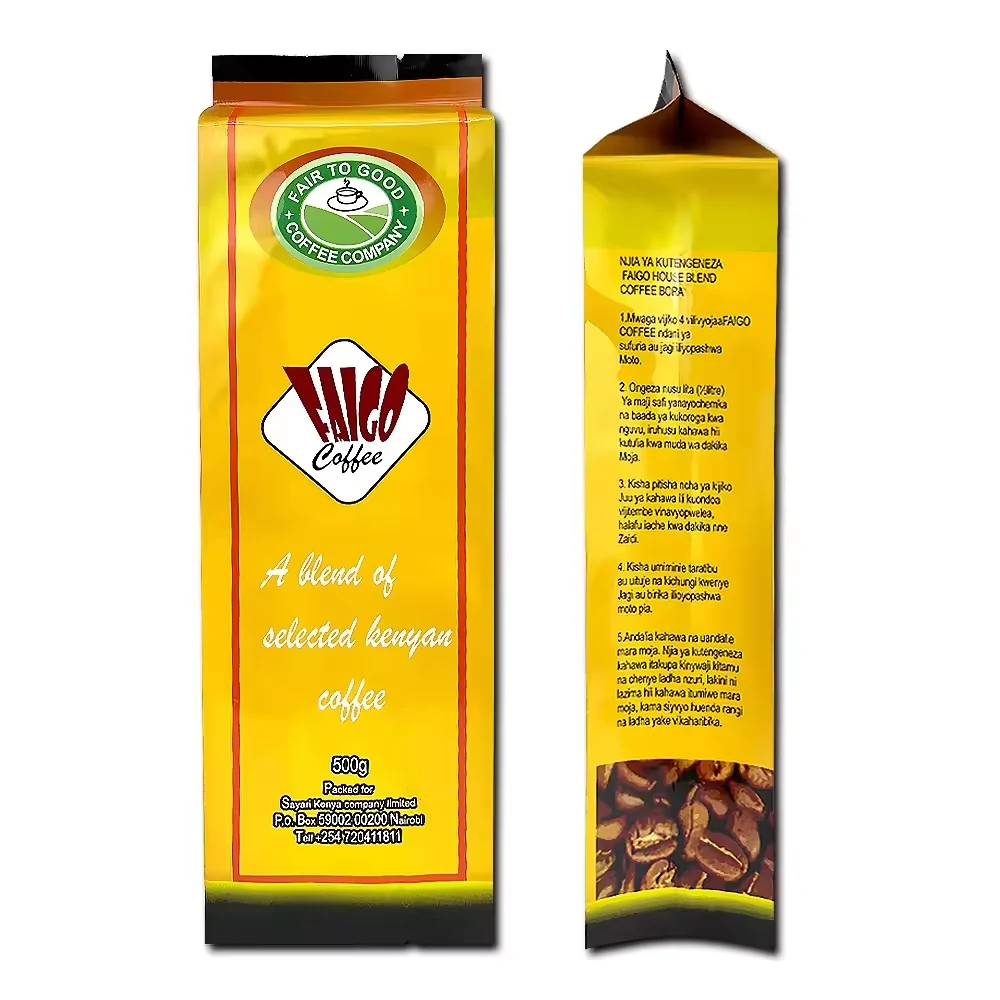
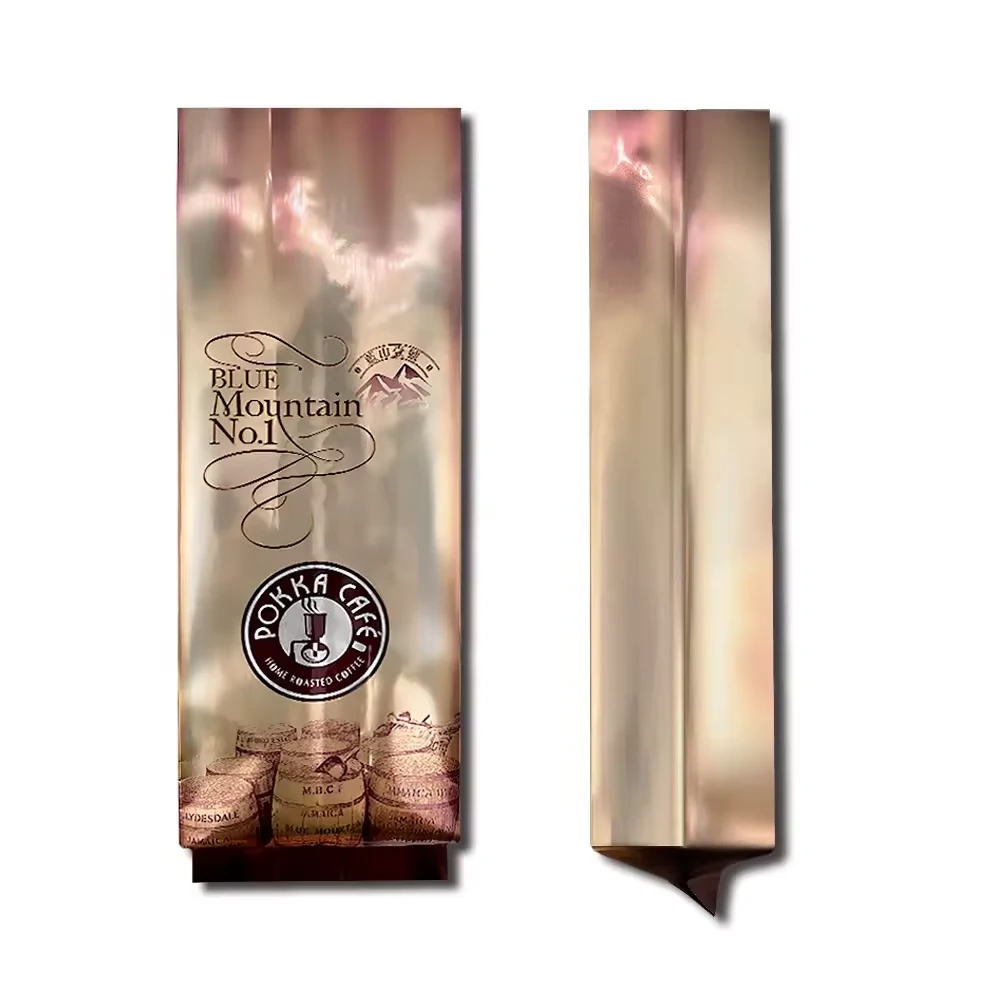
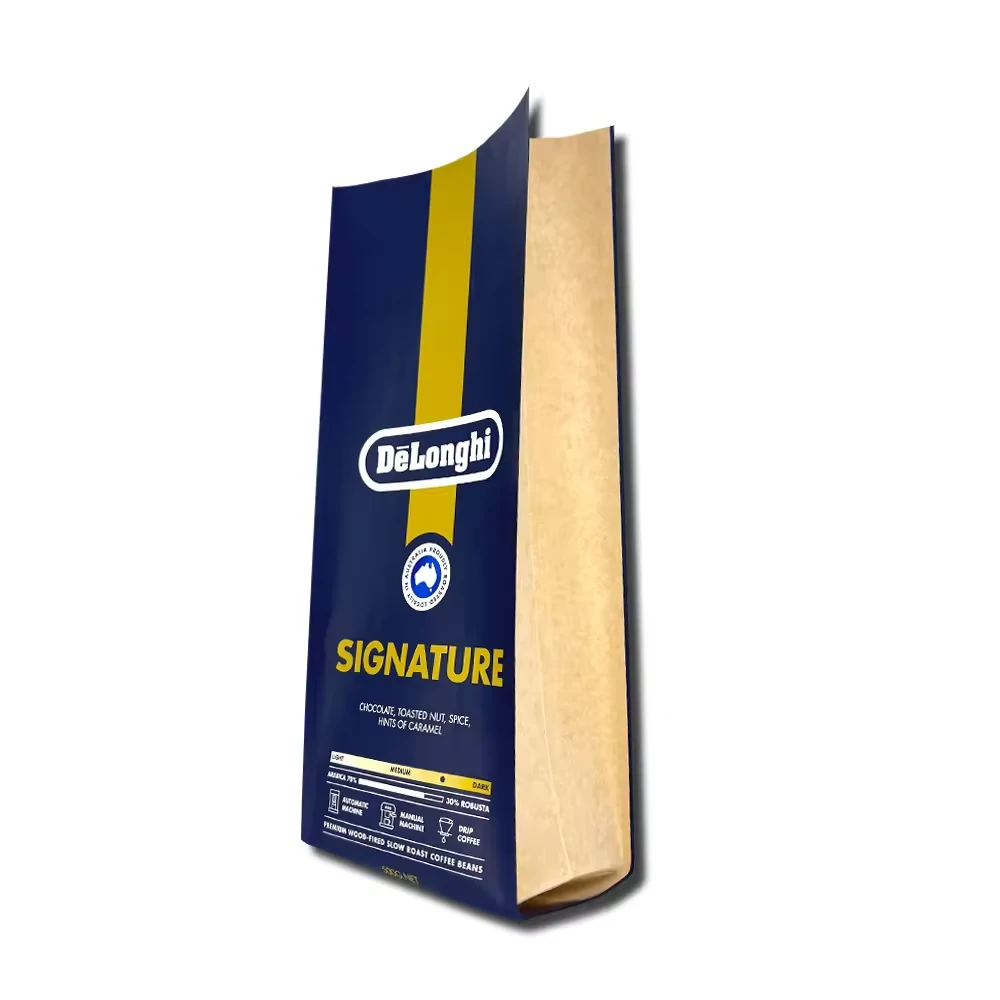
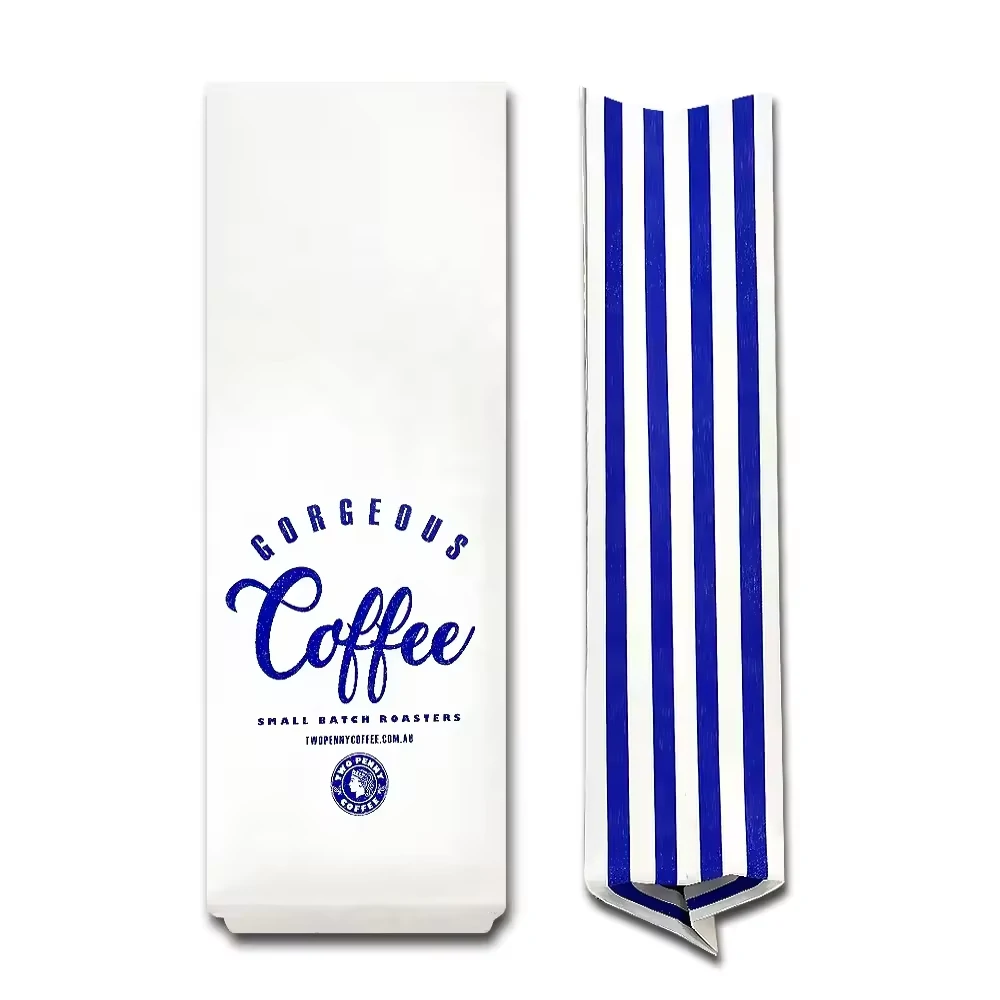
The side gusseted bag can be unfolded into a rectangular shape and offering ample volume.
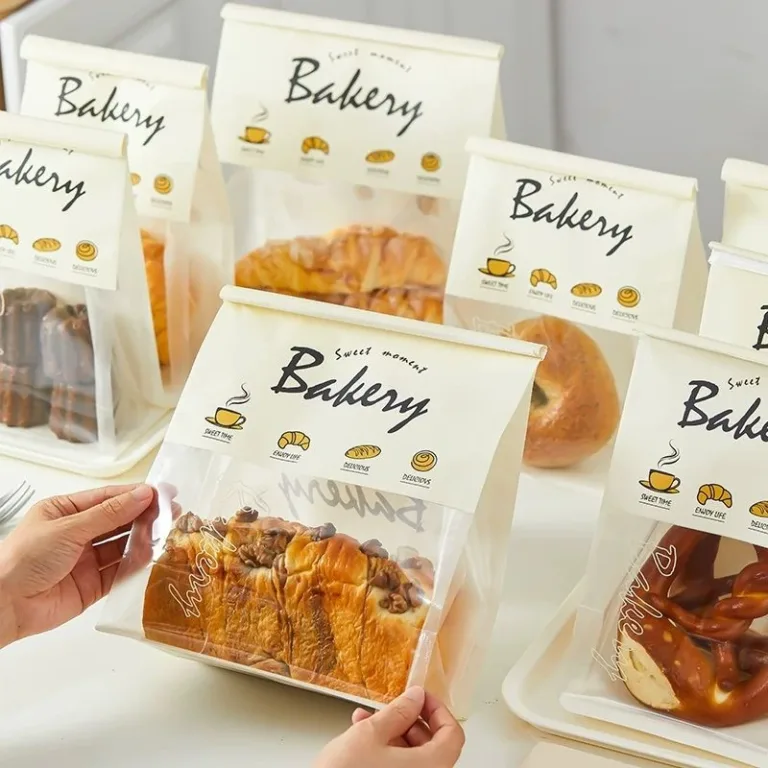
It is also called quad seal pouch or pillow pouch, commonly used for packaging products such as coffee beans, tea, and bread.
Unlike flat bottom bags, this type lacks a flat bottom base and cannot stand upright. Compared to stand up pouches, 2 gusseted sides provide additional printing space, allowing for more product information and a larger capacity.
Coffee Beans
Custom bags build unique brand image.
Tea
Custom sizes fit products perfectly.
Bread
Optional functions upgrade usability.
Biscuits
Print ads on packages for free.
Reliable
Flexible Packaging Supplier
Makepac delivers creative, durable side gusseted pouches to meet all personalized packaging demands. We provide cost-effective custom packaging solutions alongside professional consultation and attentive customer service.
Our full one-stop solution covers consulting, design, production, delivery, and after-sales support, helping you save time, labor, and procurement costs. We are your trustworthy long-term packaging partner. Get in touch with our team anytime for a tailored solution.
Customize sizes, colors, and patterns to match your needs, and print your brand logo to differentiate yourself from competitors and enhance product shelf appeal.
Adapting to Product Specifications
Tailor bag types to product weight and shape, ensuring a perfect fit and maximizing packaging space.
Controlling raw material safety
Food-grade compliant materials can be selected to meet food contact testing standards and avoid potential safety hazards.
Enriching Promotional Content
Print ingredients, usage instructions, and brand stories on the bag surface, making packaging an advertisement while saving on additional advertising costs.
Successful
Cases of Customized Packaging Bags
Traditional generic packaging brought drawbacks including indistinct branding, low repeat orders and constrained marketing funds.
To solve these issues, we offered a customized solution featuring tailored side gusset bread pouches with stiff, upright structure ideal for fresh in-store bread packing.
These pouches adopt spot-color printed brand logos alongside the “baked daily” selling slogan, with unified design styles and differentiated theme colors for assorted flavors, plus food-grade composite film for reliable oil and odor resistance to elevate eating experience and cut complaints.
In the end, buyer-generated content on Instagram and TikTok accumulated over 500,000 views, driving a 25% rise in walk-in store traffic; premium-looking packaging lifted average order value by 15% as consumers accepted higher pricing for cakes, while branded packaging boosted recognition and lifted member repurchase rate by 18%.
Spot UV
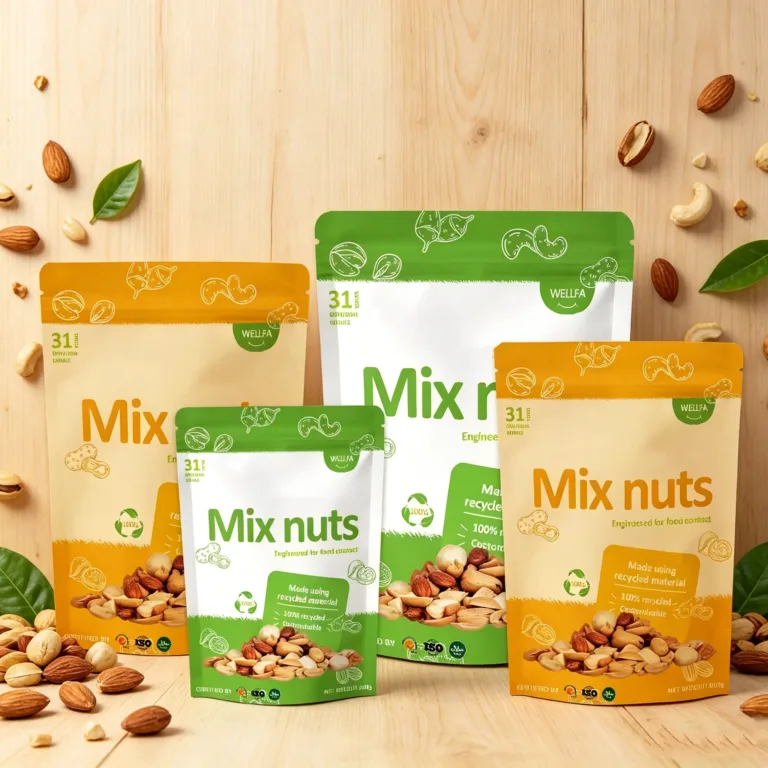
To address the pain points of new products lacking differentiation, being trapped in price wars, and struggling to reach younger consumers, a nut brand launched a targeted customized packaging solution.
Coffee Beans Picture
To address the pain points of new products lacking differentiation, being trapped in price wars, and struggling to reach younger consumers, a nut brand launched a targeted customized packaging solution.
Designs on Sides
To address the pain points of new products lacking differentiation, being trapped in price wars, and struggling to reach younger consumers, a nut brand launched a targeted customized packaging solution.
Steps
to Customize your packaging bags
Step 1
Get A Quotation
Step 2
Approve Artwork
Step 3
Bag Making
Step 4
Transportation
Side Gusseted Pouch
Structure
The sealing process is flexible and diverse: each of the four sides can be individually heat-sealed, or all four sides can be folded and sealed together on the back. Alternatively, three sides can be pre-folded, and the last side can be sealed (The red area marks the location of the heat seal)
Back Seal
4 Sides Seal
Seal on 1 Sides
Features
on Side Gusseted Pouch
One-way Degassing Valve
Fresh coffee beans continuously produce carbon dioxide after roasting. If stored in a sealed environment, the accumulated gas can cause the packaging bag to swell, potentially even bursting and leaking. Adding a valve is the solution to this problem.
If coffee beans are exposed to oxygen, they will oxidize and lose much of their aroma, shortening their shelf life. Therefore, to maintain the flavor of the coffee beans, it is crucial to isolate them from oxygen while simultaneously allowing carbon dioxide to escape. Fortunately, there are one-way valves, which allow gas to flow in only one direction. Carbon dioxide inside the bag can escape through the valve, but external oxygen and moisture cannot enter.
By adding a valve to the gusseted bag, roasters can directly seal roasted coffee beans into the bag, eliminating the need to wait for the carbon dioxide release process. This greatly simplifies the packaging process, extends the shelf life of the coffee beans, and maximizes the preservation of flavor during transportation and storage.
Tin Tie to Seal Openning
Tin ties are a common sealing accessory for coffee accordion bags. Made of sheet metal with a plastic outer sheath, they are commonly available in white, silver, black, and red, and can be customized to match brand colors. Standard widths range from 2.5mm to 5mm to fit various bag opening sizes.
After removing some coffee beans, simply gather the bag opening, wrap the tin tie around the opening, and tighten it to lock the seal. The process is simple and requires no additional tools.
It tightly seals the bag opening, preventing air and moisture from entering, thus avoiding oxidation, moisture absorption, and aroma loss of the coffee beans, effectively preserving the original flavor of the coffee.
Bags
Capacity & Size
Guide
When choosing side gusseted coffee bags, you need to allow for the width of the top and bottom heat seal edges and consider the location of the degassing valve. The table below lists three commonly used reference dimensions.
Capacity
Weight
Width
Length
Gusset
8 OZ
0.5 Lb
90mm / 3.55 Inches
270mm / 10.65 Inches
50mm / 2.0 Inches
16 OZ
1 Lb
100mm / 3.95 Inches
340mm / 13.5 Inches
60mm / 2.35 Inches
32 OZ
2 Lb
135mm / 5.3 Inches
410mm / 16.1 Inches
70mm / 2.75 Inches
Digital Print
VS
Gravure Print
Digital printing is preferred for small-batch sampling and personalized customization;
Gravure printing is chosen for large-scale mass production and high-standard, exquisite packaging.
Digital Printing
Digital printing eliminates the need for printing plates; designs are processed by the equipment system and directly inkjet-printed.
Its key advantages include fast production lead time (7-10 days), Printed film samples can be made within 3 days, low minimum order quantity, and the ability to handle small-batch customization, new product trials, and multi-SKU small orders.
The content and color scheme can be modified at any time, offering exceptional flexibility and meeting the customization needs of niche brands and new product testing. MakePac has several high end digital printer: HP Indigo 25K and HP Indigo 200K.
However, digital printing also has its drawbacks. Bag prices are relatively high, large-area solid-background dark printing is less cost-effective, production speed is limited during large-volume continuous production, and the larger the order volume, the more pronounced the cost disadvantage compared to gravure printing becomes.
Large-area full-page printing also yields slightly inferior texture compared to gravure. Furthermore, it can only print CMYK colors and cannot customize spot colors (such as Pantone colors)
Gravure printing
Gravure printing requires pre-engraving a metal printing plate, relying on cylinder grooves to carry the ink, which is then transferred to the film surface under high pressure.
Its advantages include thick, rich ink, high color fidelity, excellent layering, minimal color difference in mass production, and low per-piece printing costs for large orders, making it the preferred choice for long-term mass production by large factories.
MakePac has two high-speed printing presses, one eight-color and the other ten-color, capable of printing various spot colors to make your packaging more unique.
However, gravure printing requires a high initial plate-making fee, with a plate-making cycle of approximately 7 days. If the design or text needs modification, a new plate must be made, resulting in high modification costs.
Therefore, it is not suitable for small-batch trial orders or orders with frequent design changes.
See
Bags
We Produced
Find Your Answer
Select a category below to view related questions and answers
Are side gusset pouches recyclable?
It depends on raw material structure. Single PE/PE gusset bags are recyclable, while laminated composite pouches with aluminum foil are hard to recycle.
Can zippers be attached to side gusset pouches?
Yes. Zippers can be pre-sealed on the pouch opening for repeated opening and closing.
Can side gusset pouches be used for food packaging?
Sure. We can adopt food-grade compliant film to meet global food contact safety standards for food filling.
Can side gusset pouches stand upright on shelves?
Ordinary side gusset pouches have no flat bottom and cannot stand; customized flat-bottom gusset versions are available for shelf display.
Will printing ink touch inner contents inside the pouch?
No. Printing is finished on the outer surface of film, and composite lamination separates ink from the inner food-contact layer completely.