(5 Posts)
Aluminum foil or VMPET is typically used as the barrier layer in laminated packaging bags, and its barrier effect against light, oxygen, and water vapor is much better than that of plastic bags.
Common structure: PET/AL/PE, MOPP/VMPET/PE, PET/AL/PA/PE, etc.
Antistatic material can prevent powder or granular contents inside the packaging bag from being attracted by static electricity due to friction with the inner material (antistatic PE).
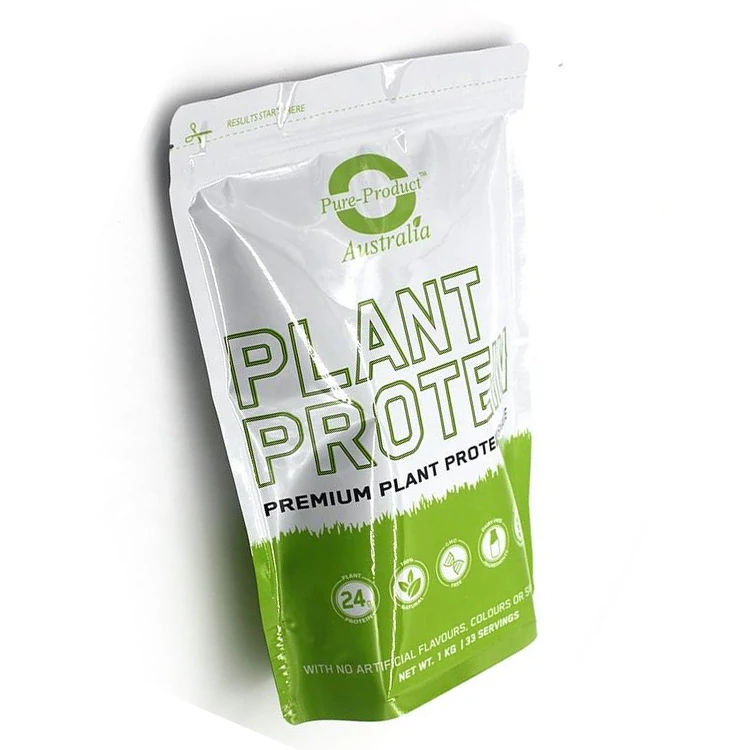
If your product is protein powder, matcha powder, or coffee powder, using this material is a great choice.
Anti-fog material prevents condensation from the contents from adhering to the packaging; instead, the condensation condenses into water droplets.
It is commonly used in the production of chicken and fruit bags, allowing consumers to better observe the products inside.
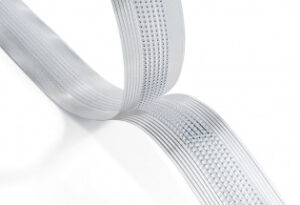
APLIX has developed a special zipper (Hook-and-Loop Fastener).
Its biggest advantage is its ease of opening and closing, whereas traditional zippers require alignment and pinching to close.
However, its sealing performance is relatively weak.
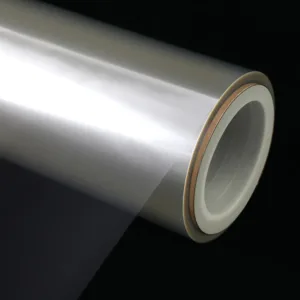
Alox PET is a transparent material with good barrier properties against oxygen and moisture, making it suitable as a barrier layer material for packaging bags requiring transparent windows, replacing VMPET. It is also more expensive.
(7 Posts)
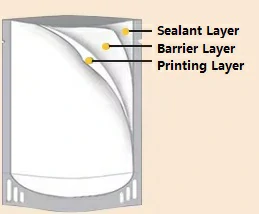
The barrier layer of a laminated bag is a functional film sandwiched between the printed outer layer and the inner sealant layer.
It blocks the penetration of oxygen, moisture, light, and odors, and its core function is to extend the shelf life of food.
Common types include VMPET , ALOX PET, EVOH, PA , and aluminum foil.
Made from bio-based/fully biodegradable materials, these packaging bags are completely decomposed by microorganisms in composting and soil environments after disposal, leaving no plastic residue.
The main materials are PLA, kraft paper, PBAT, and VMPLA.
The film is folded in half and then heat-sealed in the middle of the back of the bag.
There are no side seals on the sides, and the bottom is sealed to form the bag. The structure is simple and the cost is low.
The design text extends 3–5mm beyond the finished product’s cutting edge to prevent white edges caused by cutting deviations. The excess area beyond the finished product is the bleed area.
The pressure value measured by continuously applying pressure to the inside of the bag until the bag ruptures is used to measure the bag’s resistance to internal pressure and expansion. This method is commonly used for testing powder and inflatable food bags.
BOPP (biaxially oriented polypropylene) film is commonly used as the outer layer for printed laminated bags;
Glossy BOPP, matte MOPP, and holographic laser BOPP.
It offers good stiffness, clear printing, and low cost, and is often combined with CPP to create fully recyclable PP structures.
BPA, or Bisphenol A, is a substance harmful to the human body.
Food packaging is strictly regulated, and flexible films, inks, and sealant films generally require 0 BPA to prevent migration into food.
(4 Posts)
CPP (Cast Polypropylene) is a heat-resistant (heat-sealing range 140–200℃) and grease-resistant material.
It is used as the inner sealant layer of laminated packaging bags.
Common structure: OPP/CPP, PET/CPP, MOPP/VMOPP/CPP, etc.
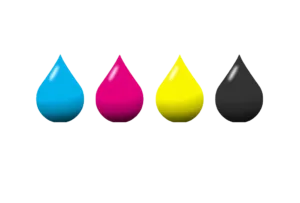
CMYK is a four-color printing ink system:
C cyan, M magenta, Y yellow, K black.
All colors are produced by mixing these four inks, suitable for both gravure and digital printing on flexible packaging.
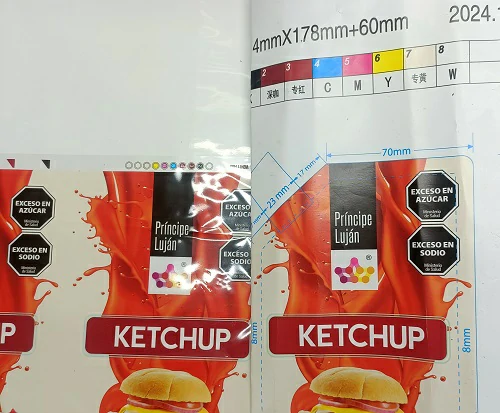
Cromalin is a standard color proof used to check color, registration, and graphic dimensions.
Print at a 1:1 scale according to the actual dimensions on special paper.
Once the first batch of printed film has come out, its color can be compared with that of Cromalin.
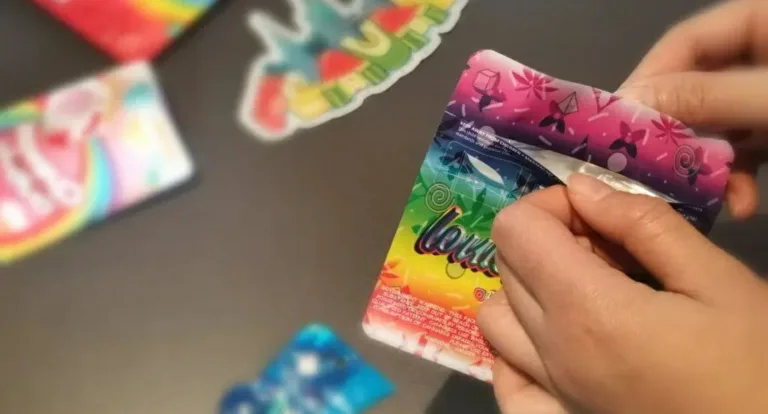
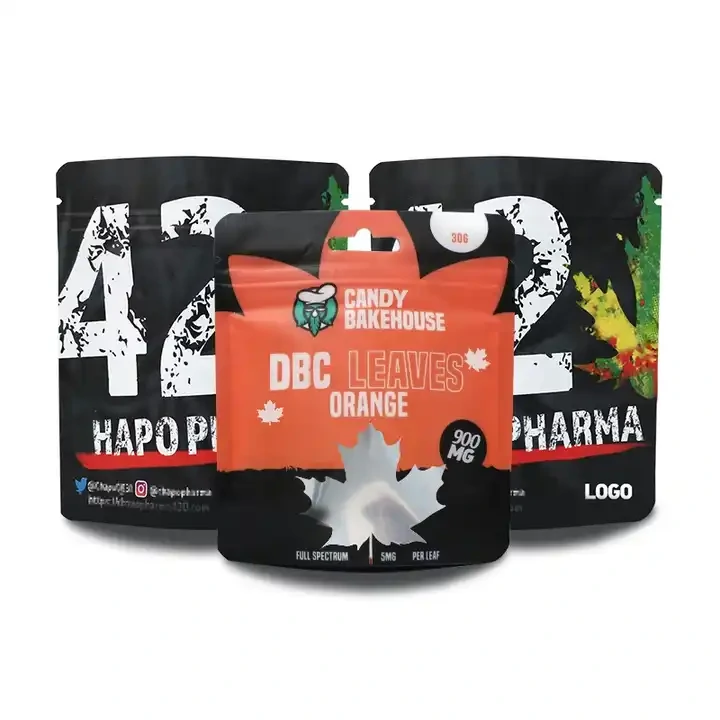
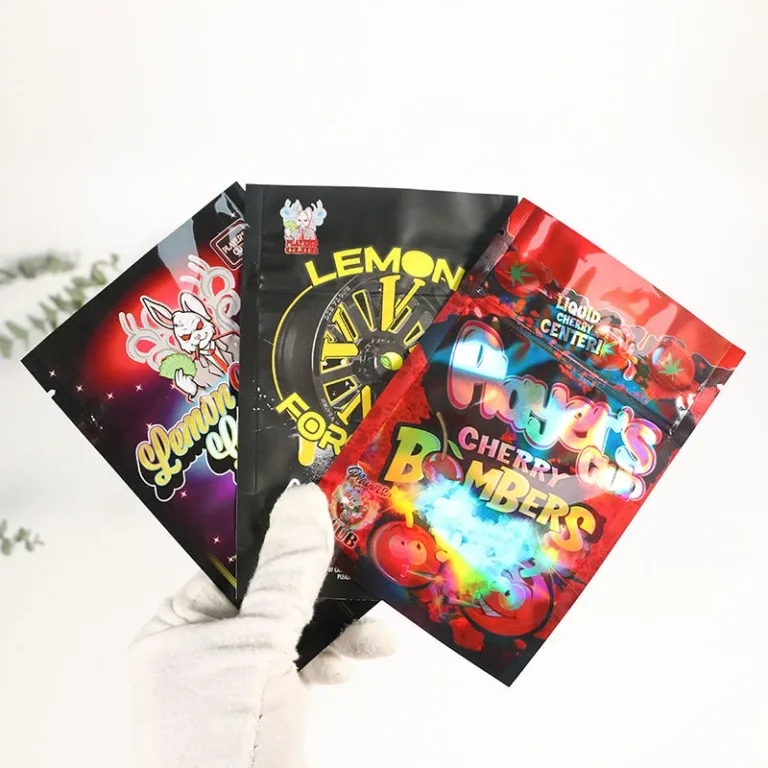
Childproof zippers are designed to prevent young children from opening them.
They require both hands to operate and are commonly used in pharmaceutical, household cleaning product, and cannabis packaging.
(5 Posts)
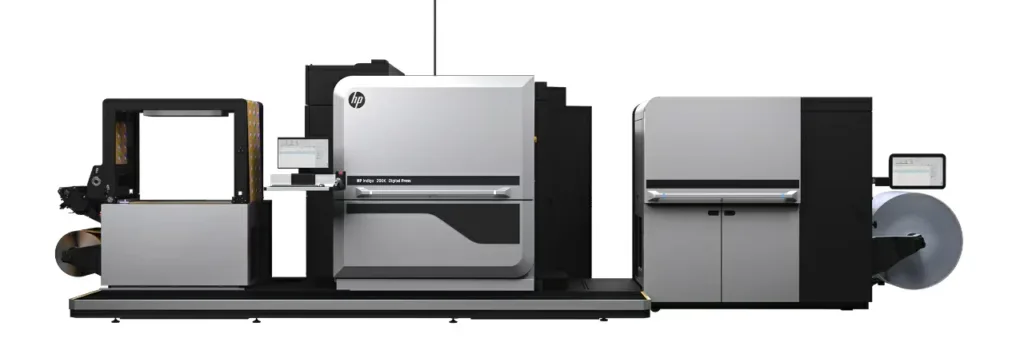
Digital printing machines can directly print ink onto plastic films such as PET and PP, with the ink instantly cured by UV light.
Makepac owns HP Indigo 25K and HP Indigo 200K digital printers.
Its core advantages are: no plate fees, fast design changes, no need for plate making and waiting, low cost for small batches, multiple SKUs, and new product sampling.
Die-cutting is the process of using a cutting mold to cut on bags, which can cut out special packaging bag shapes and special window shapes.
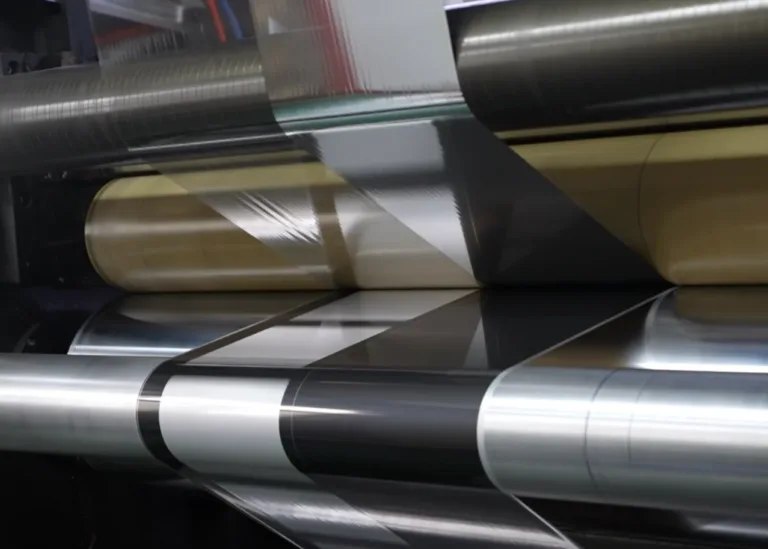
Dry lamination refers to the process of coating an adhesive onto one film, drying it in an oven to remove the solvent, and then bonding it to another film under hot pressing to form a laminated material.
The powder-specific zipper is designed to prevent clogging by fine powders such as flour and industrial chemicals.
The strong zipper on this type of bag features an anti-static coating and a special structural design that presses the powder back into the bag during the zipper operation, reducing the likelihood of powder getting stuck at the zipper edge.
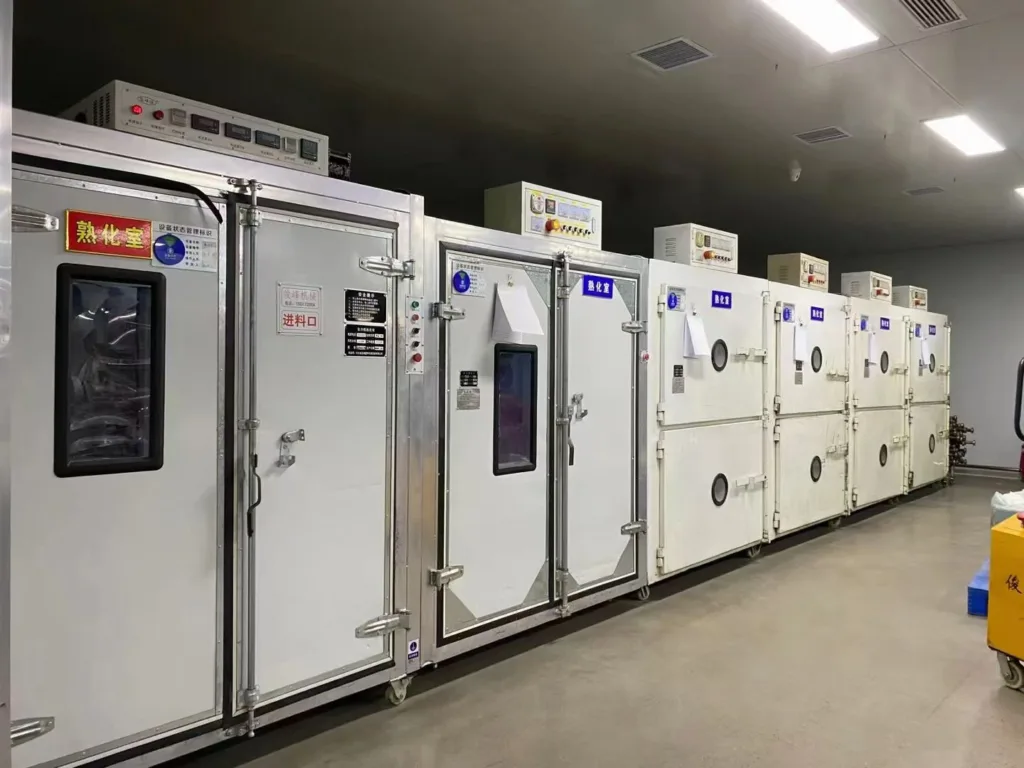
After dry lamination, the roll material is placed in a curing chamber at a constant temperature to allow the adhesive to fully cross-link and cure, improving the peel strength of the film and reducing solvent residue.
The temperature is generally 40–50℃, and the curing time is 12–48 hours.
(4 Posts)
EVOH is a copolymer of ethylene and vinyl alcohol, with extremely strong oxygen barrier properties, far superior to PE and PA.
It is the core transparent high-barrier intermediate layer of flexible packaging multilayer films.
Eco-friendly packaging bags refer to packaging that reduces the environmental burden.
One type is biodegradable packaging bags, and the other is recyclable packaging bags.
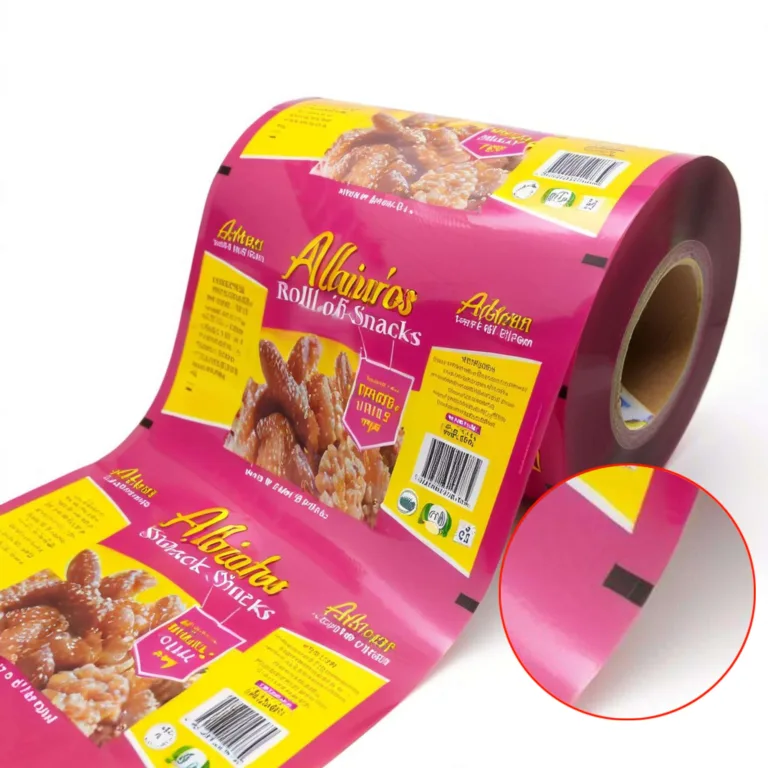
The eyemark is a black identification square printed on the edge of the film roll, used for positioning and tracking by photoelectric eyes on bag-making machines or automatic packaging machines.
Function: Precisely controls the cutting, zipper sealing, and window die-cutting positions, ensuring consistent graphic and text placement on each bag
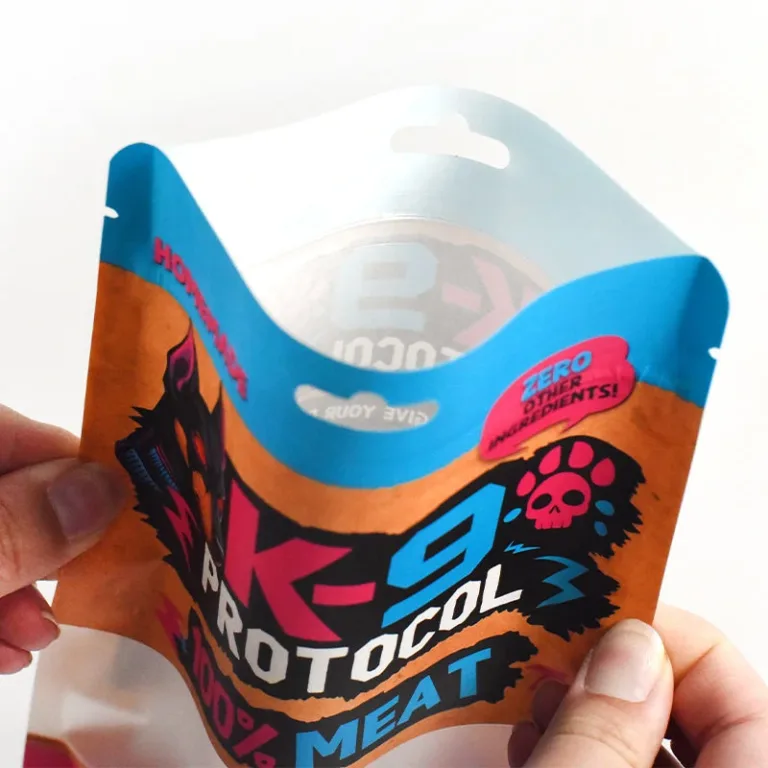
EU hanging holes are die-cut holes on the bag body with a standard size of approximately 8mm × 25mm elongated oval, making it convenient for hanging and displaying on supermarket shelves.
(5 Posts)
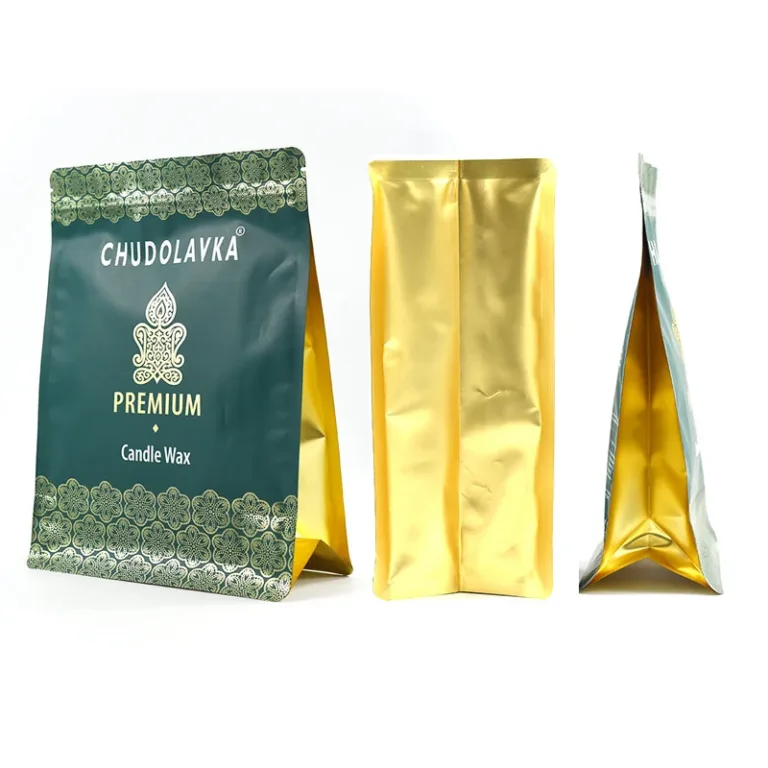
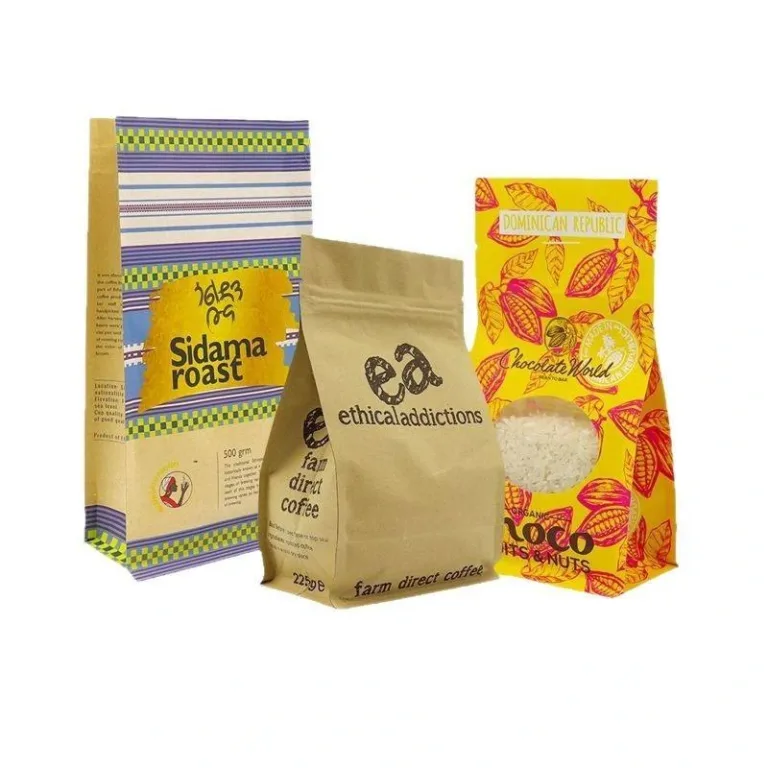
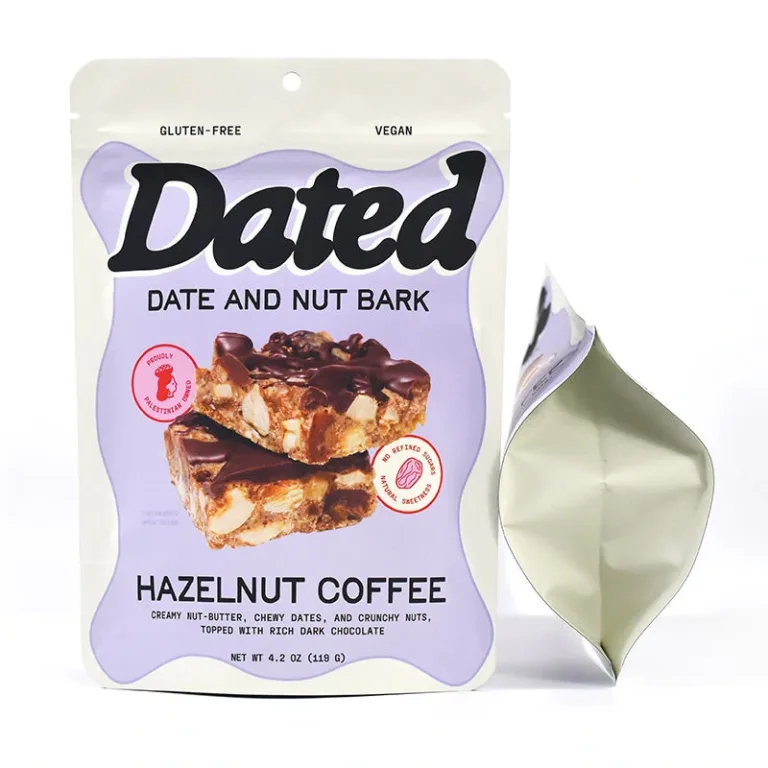
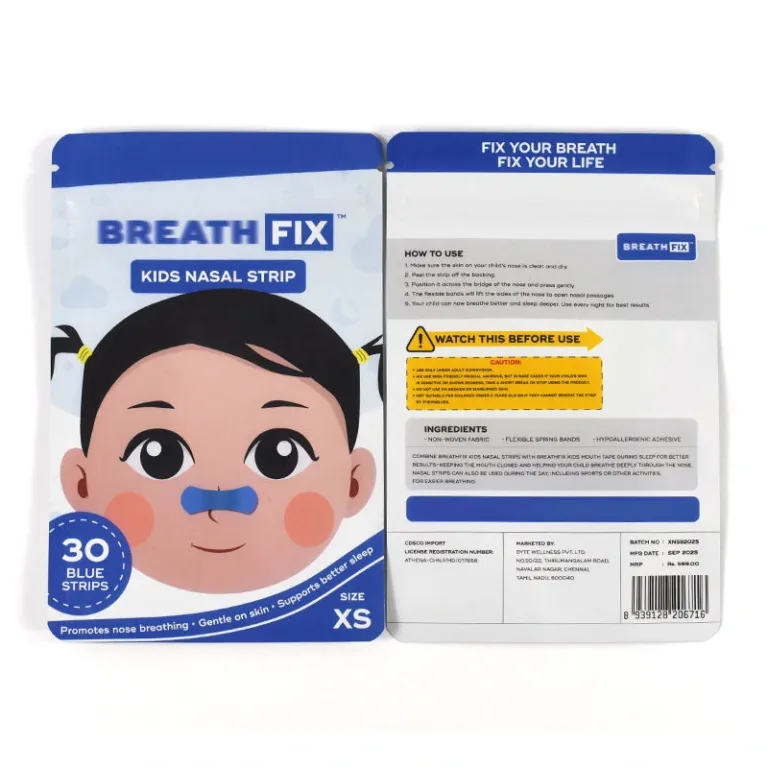
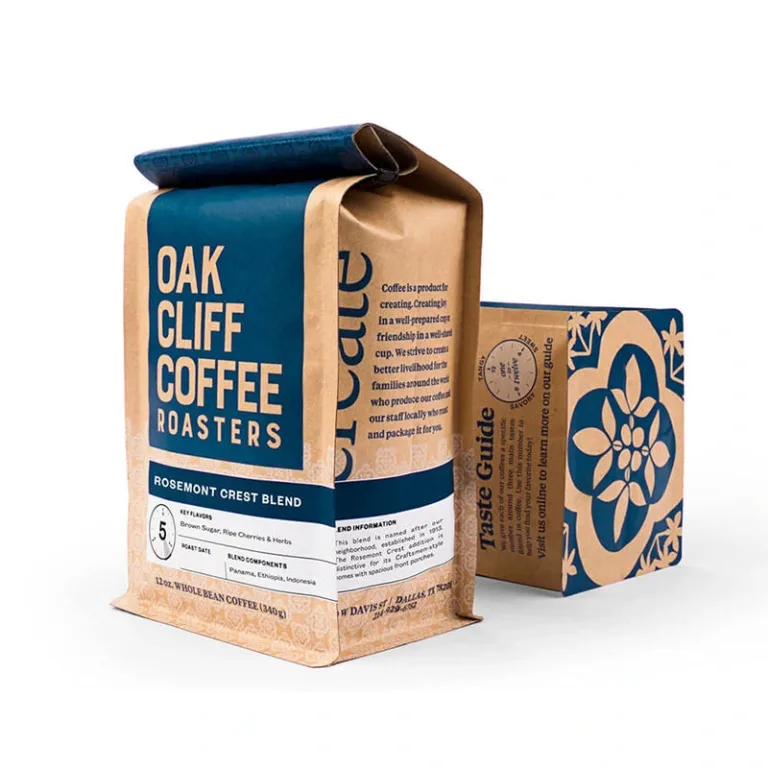
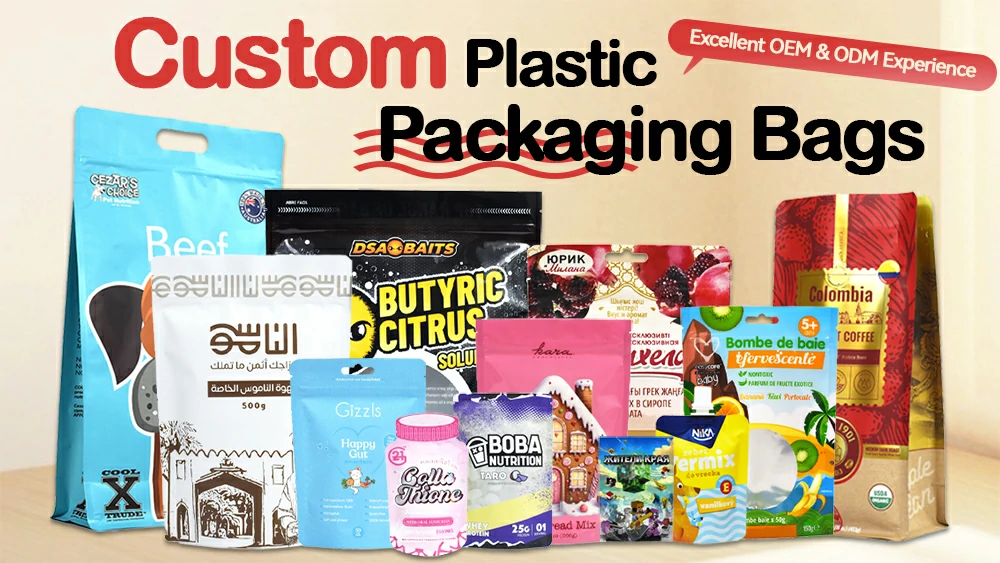
The flat-bottomed bag has a flat, square bottom and gusseted sides for added volume, allowing it to stand upright without support.
It offers a large capacity and stable stability.
It is also known as 8 sides seal bag or box bottom bag.
Flexible packaging is packaging made of flexible materials such as paper, plastic film, and aluminum foil that can be bent and has no rigid support, unlike rigid containers such as glass bottles, metal cans, and hard plastic boxes.
Qualified packaging bags use films, aluminum foils, inks, and adhesives that all meet food-contact standards and are free of BPA, heavy metals, and non-migrating toxic substances.
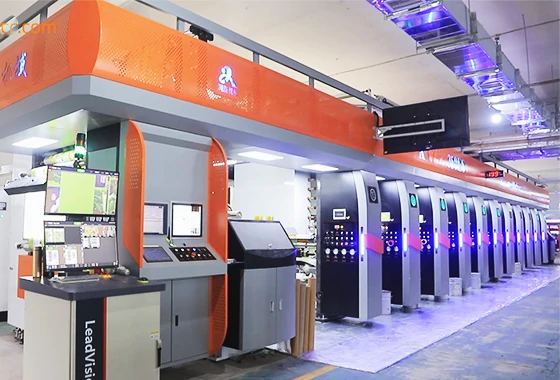
Flexographic printing: using soft rubber/resin letterpress plates, water-based environmentally friendly inks, and light pressure to transfer the image onto film or paper.
FSC refers to Forest Stewardship Council certified paper, which proves that the raw materials come from sustainably and legally harvested forests.
(3 Posts)
Gravure printing: The surface of a printing cylinder is engraved with recesses of varying depths to store ink. After a doctor blade scrapes off excess ink, pressure is applied to transfer the ink from the recesses to a thin film.
Advantages: High color saturation, excellent reproduction of gradations and fine text, and uniform dark colors throughout the entire print.
Glossy film is a high-gloss transparent plastic film, mostly made of BOPP or PET, and is applied to the outside of the printed layer of the packaging bag.
Gusset refers to the inward folding and stretching edges on both sides of the bag.
When unfolded, the bag body becomes wider and the bottom expands, making it stand up more fully.
(3 Posts)
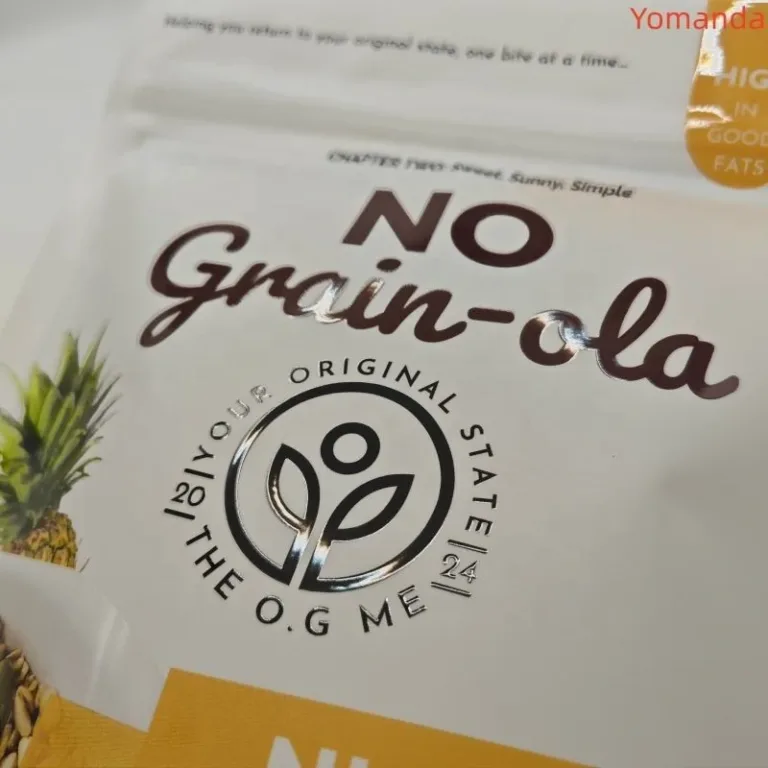
Electroplated aluminum foil is hot-stamped onto the bag surface using high temperature and pressure to create metallic-looking text/patterns, resulting in a high-end feel, high recognizability, and resistance to rubbing and fading.
However, this increases the cost of the packaging bag.
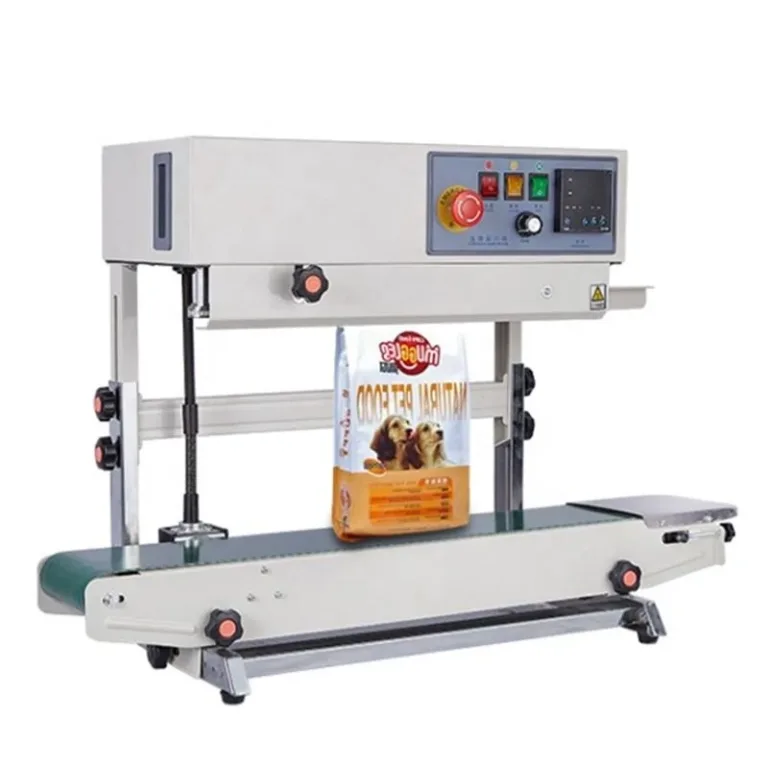
After the empty packaging bag is filled with items, the opening of the bag needs to be heat-sealed.
This requires operation on a heat-sealing machine at the appropriate temperature, pressure, and time.
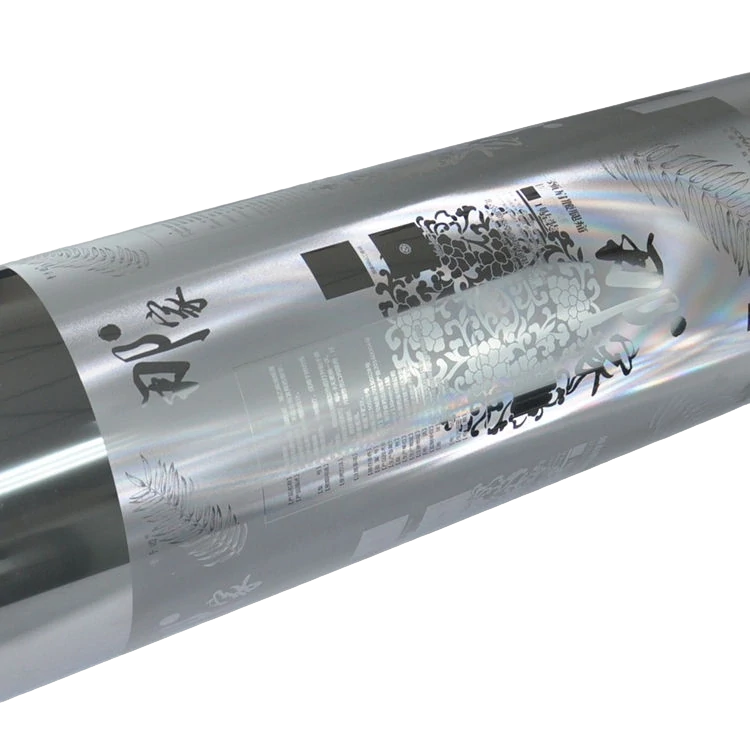
The outer layer uses a holographic laser PET/BOPP film, and the film surface is covered with a micro-grating structure.
After light is refracted, it presents a flowing rainbow color as the angle changes.
(2 Posts)
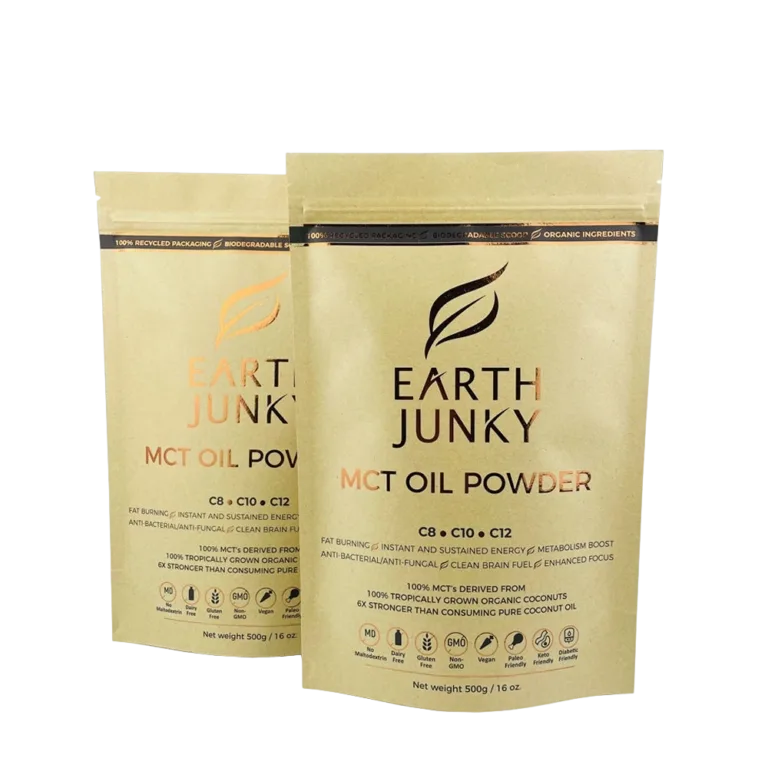
Kraft paper is a commonly used material in the flexible packaging industry. It is primarily made from natural wood pulp, has an environmentally friendly texture, meets FSC certification requirements, and is an excellent choice for producing high-end packaging bags.
KPET is a PVDC-coated polyester PET film with superior barrier properties.
Excellent oxygen barrier, moisture protection, aroma retention, and grease resistance, far exceeding those of ordinary PET and significantly extending the shelf life of food products.
It is transparent and allows for visibility, unlike the light-blocking aluminized film.
(1 Post)
The lamination process involves bonding two or more layers of films with different functions into a single roll, giving the packaging comprehensive properties such as moisture protection, oxygen barrier, heat sealing, and puncture resistance.
The main types are dry lamination and solvent-free lamination.
(5 Posts)
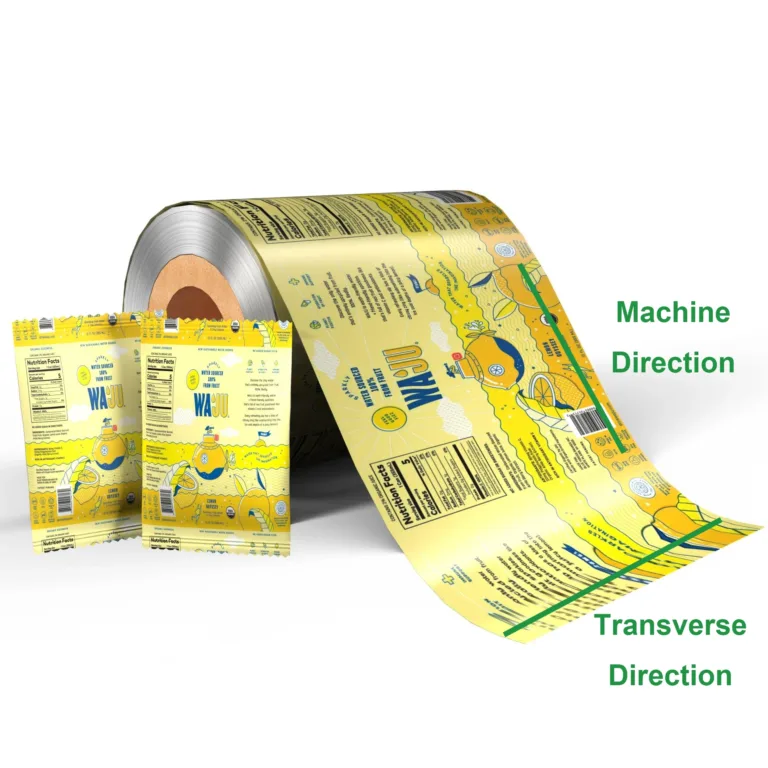
MD stands for Machine Direction, which is the longitudinal direction of the film’s forward transport, while TD is the transverse direction of the roll winding.
The matte finish refers to the low-reflective texture of the packaging bag surface, giving it a sophisticated and understated look, preventing fingerprints, and ensuring that the logo and text remain clear and non-reflective.
MVTR = Moisture Vapor Transmission Rate, which refers to the weight of water vapor that passes through a film per unit time and per unit area.
It measures the moisture-proof ability of packaging. The smaller the value, the better the moisture barrier. The commonly used unit is g/(m²・24h).
Migration refers to the phenomenon where substances such as inks, adhesives, and film additives in food packaging materials leach into the food after coming into contact with it.
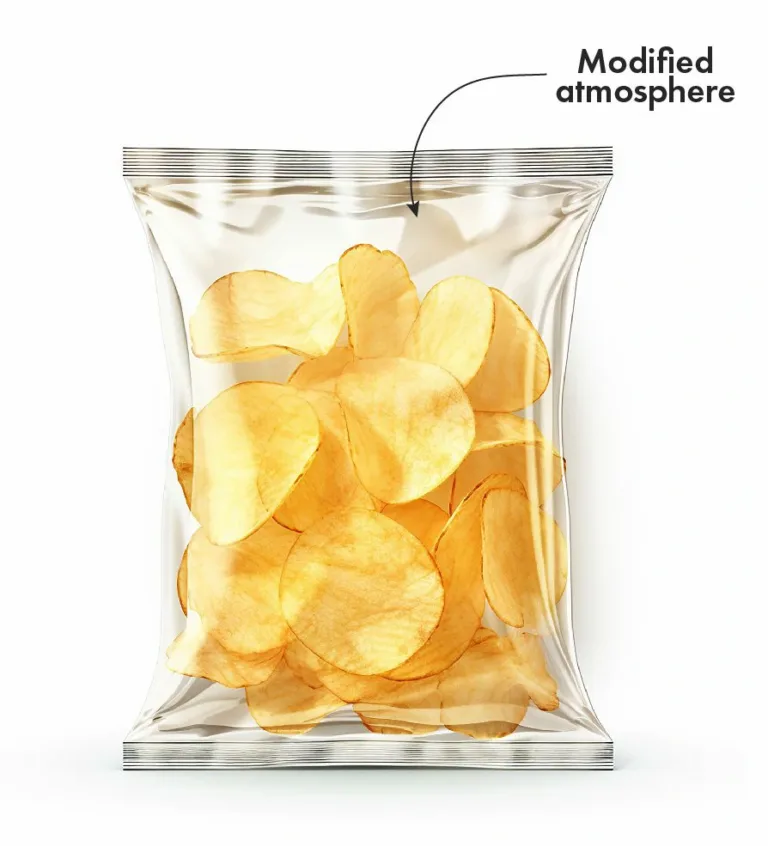
MAP (Modified Atmosphere Packaging) removes the air from the bag and fills it with a mixture of nitrogen, carbon dioxide, and oxygen to inhibit bacteria and oxidation.
High-barrier materials are required to prevent leakage of the prepared gases.
(2 Posts)
Nylon is a commonly used high-puncture-resistant substrate for flexible packaging. It is tough, puncture-resistant, low-temperature-resistant, and does not easily break under tension.
Suitable for products with bones, hard particles, and frozen meat products.
Cut a V-shaped notch along the edge of the bag; it tears along the film’s texture under pressure, resulting in the lowest cost.
Alternatively, a laser can be used to create micro-marks on the film surface, producing a straight and neat tear.
(1 Post)
OTR = Oxygen Transmission Rate, the amount of oxygen that permeates through a unit area of the film over 24 hours.
A lower value indicates stronger oxygen barrier properties and better preservation. Units: cm³/(m²・24h・atm)
(8 Posts)
PE (Polyethylene) boasts excellent resistance to oil, acid, alkali and various chemicals. It also works well under both low and high temperatures. This material delivers strong heat-seal strength and is commonly used as the seal layer for laminated packaging. Besides, it comes at a low cost.
There are three types: CPP, BOPP, and RCPP.
BOPP: The outer printing substrate, with high transparency and good stiffness, commonly used for ordinary color-printed bags, matte films, and laser-based films.
CPP: Ordinary heat-sealable inner layer, low-temperature sealing, suitable for simple packaging of snacks and daily necessities;
RCPP: modified for high-temperature resistance and used as the inner layer of retort pouches.
PET (Polyethylene Terephthalate) is used as the outer layer of composite bags, it has high stiffness, good transparency, temperature resistance, clear printing, tensile strength, and moderate moisture resistance.
Made from polylactic acid, corn starch, and other plant-based raw materials, this biodegradable and environmentally friendly film offers high transparency and excellent printability.
However, it has poor heat resistance, is susceptible to moisture, has moderate toughness, and weak barrier properties.
Fully biodegradable polyester, petroleum-based compostable material, completely degrades under industrial composting conditions, has good flexibility, tensile strength, and is not easily brittle at low temperatures, making it suitable for use as an inner heat-sealing layer.
PCR (Post-Consumer Recycled) refers to recycled plastic waste discarded by consumers, which is collected, sorted, washed, and granulated to obtain recycled plastic pellets (rPE, rPP, rPET), which are then mixed with virgin materials to produce PCR films.
The printing plate’s substrate is a steel cylinder, with copper-plated and engraved graphics on the surface.
An outer chrome plating layer enhances its wear resistance, and each color corresponds to a single print plate.
A standard pointed probe is used to vertically press against the sample, and the maximum force required to puncture it is recorded.
This measures the packaging bag’s ability to resist puncture by a hard object, measured in N
(6 Posts)
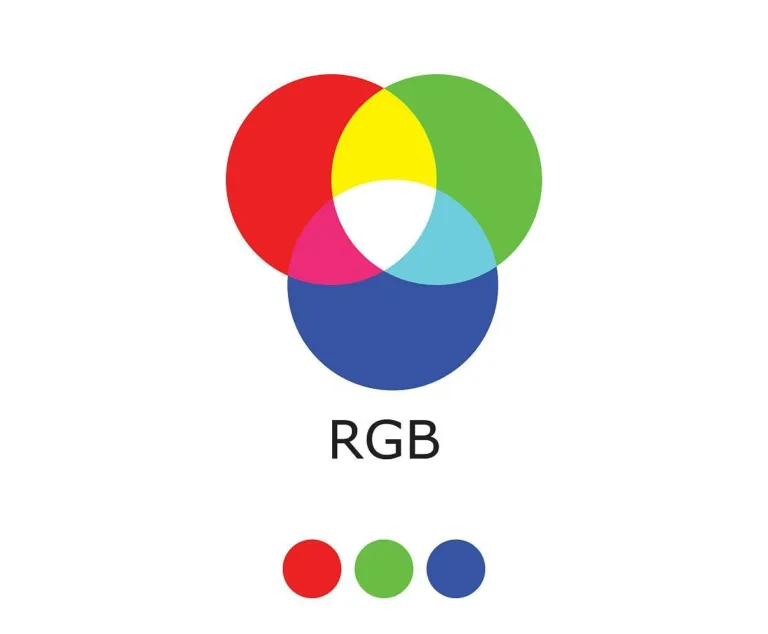
RGB is a color model based on the three primary colors of light, consisting of red, green, and blue. Color is determined by the mixing of light rays, and its numerical value ranges from 0 to 255.
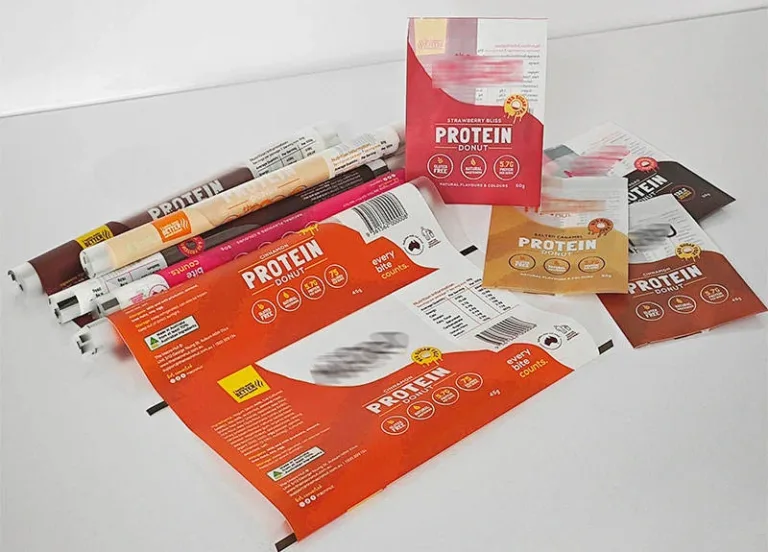
Online previews of packaging bag designs and screen renderings are available.
Recyclable packaging bags refer to bags made from a single material or a detachable composite structure that, after use, can be sorted, cleaned, and reprocessed through formal recycling channels to be made back into plastic raw materials for repackaging.
The main types are Mono PE and Mono PP.
RCPP (Retort CPP) is specially designed for high-temperature and high-pressure sterilization.
It is a special inner heat-sealing layer for retort pouches, food-grade and odorless, and does not release harmful substances after cooking.
Roll stock can be directly loaded and sealed automatically without pre-making bags.
High production efficiency, suitable for fully automated packaging lines.
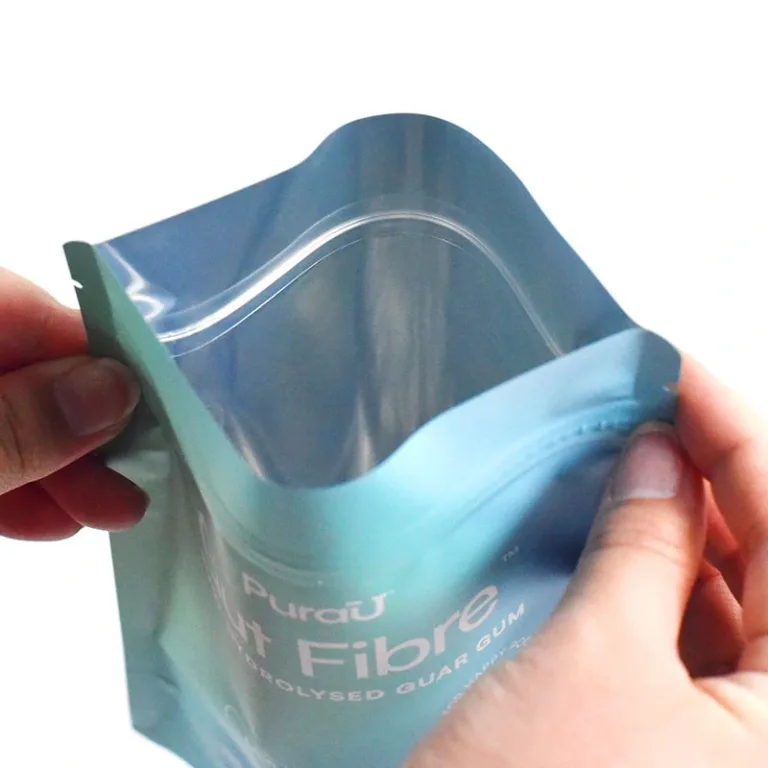
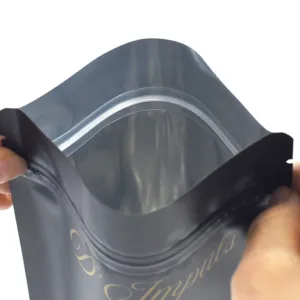
Adding a plastic self-sealing zipper, a press-type Velcro zipper, or a slider zipper to the inside of the bag.
It allows the packaging bag to be repeatedly closed after opening, isolating it from air and moisture, preventing moisture and oxidation, and extending the storage time of the contents.
The ink is printed on the inside of the film, with the pattern sandwiched between two layers of film.
The outer film protects the printed layer, making the pattern wear-resistant, scratch-resistant, colorfast, and non-contacting to food, eliminating the risk of ink migration.
(11 Posts)
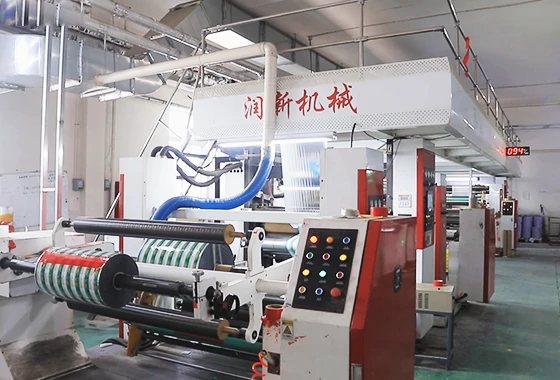
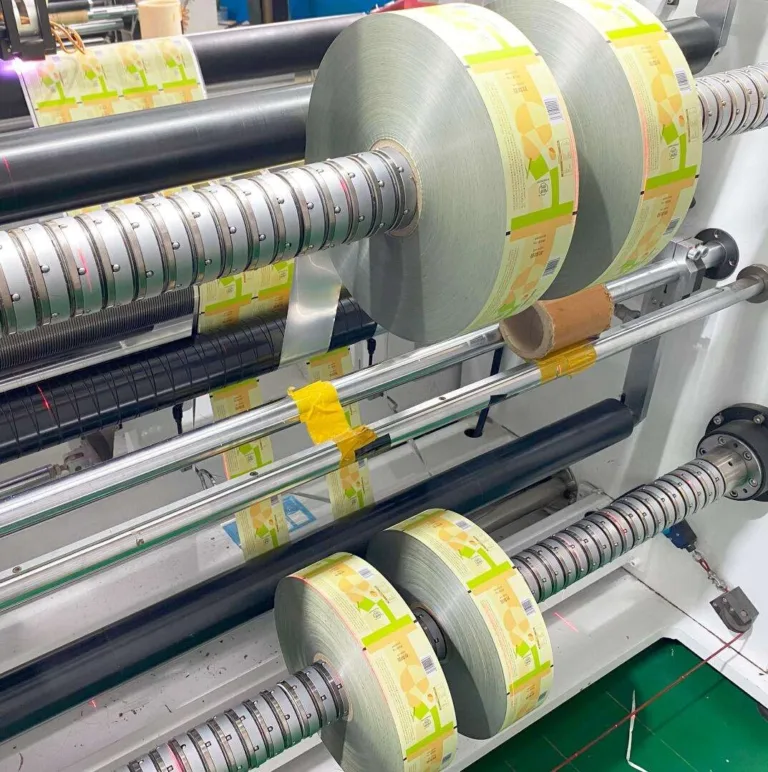
After printing and lamination, the wide roll material is cut into narrow rolls according to the customer’s required width using a slitting machine.
During printing, only designated areas are given a matte finish, while the rest retains a glossy finish, creating a visual contrast between light and dark.
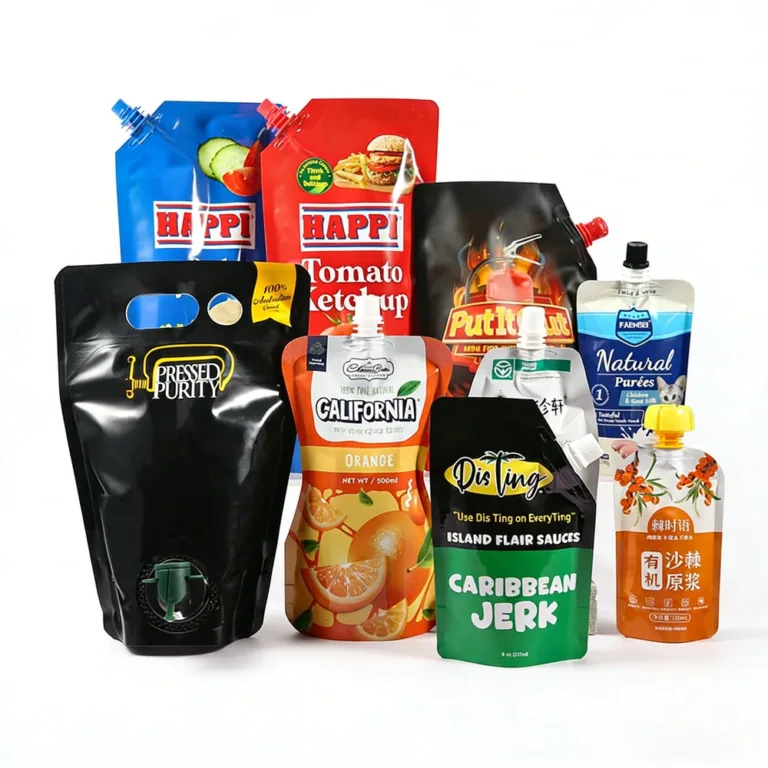
The opening of the packaging bag is heat-sealed with a spout, allowing for repeated unscrewing to pour and suck up liquids.
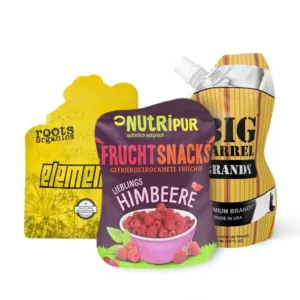
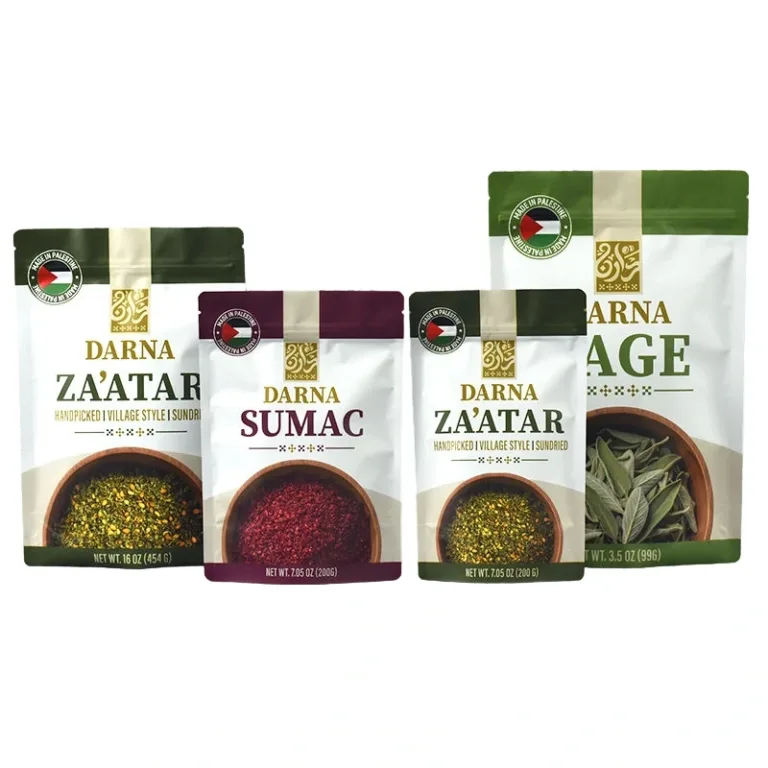
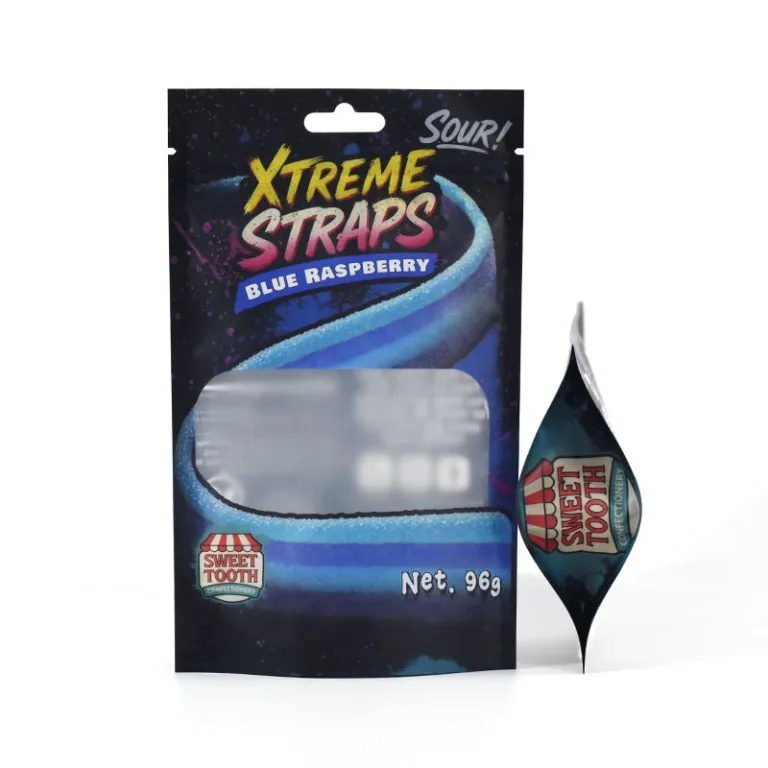
Stand-up pouches are packaging bags with a built-in gussted bottom that can be laid flat and stood upright on their own.
The hanging hole stamped at the top of the packaging bag is long and narrow, resembling the outline of an airplane.
In addition to the CMYK basic colors, specialized inks can be formulated independently to achieve the best printing colors.
Pantone color codes are generally used as spot color choices.
The ink is printed on the outer surface of the film, leaving the pattern directly exposed. Flexographic printing on kraft paper is an example of this process.
Sealant Layer is the innermost layer of the composite membrane is a heat-fusible adhesive film that fuses and seals after heating and pressurization.
To kill microorganisms inside the food packaging and extend shelf life to prevent spoilage, some special food packaging bags require sterilization treatment.
Common methods include retort sterilization and irradiation sterilization.
These methods require the packaging bags to be heat-resistant and leak-proof.
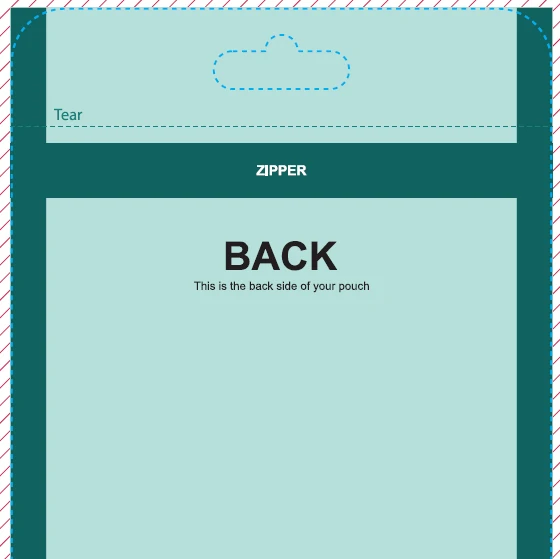
This is the safety margin reserved within the packaging bag artwork. Text, logos, and key patterns must be placed within the safety area.
A 3-5mm margin should be left between the boundary and the finished product cutting line. Anything outside this area is likely to be cut off or sealed off.
(6 Posts)
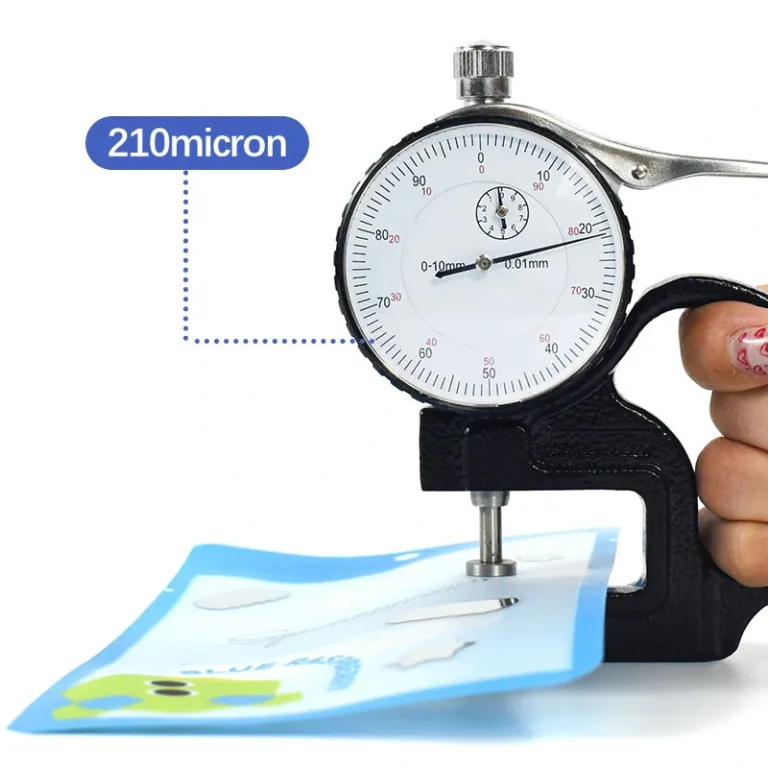
The thickness of packaging bags is typically between 50 and 200 microns.
1 Micron=1 μm=0.001mm
1 mil=25.4 Microns
The packaging bag’s ability to resist external forces from tearing and the expansion of the tear.
The test method involves uniformly stretching a standard sample and recording the breaking tensile force in MPa or N/mm².
The maximum stress the film can withstand without breaking measures its tensile strength.
It is often combined with elongation at break to assess the bag’s load-bearing capacity and tensile toughness.
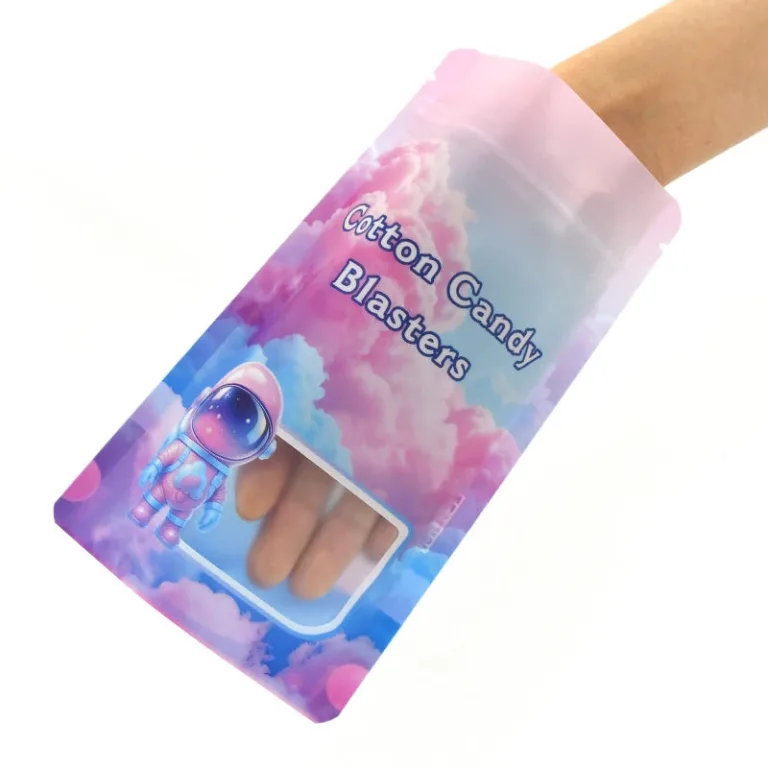
Transparent windows provide a clear view of the products inside, enhancing shelf appeal. High-barrier materials can be chosen to ensure the shelf life is not affected.
The bottom and left and right sides are heat-sealed, while the top is open. After filling, the top is sealed. The overall shape is rectangular, with a simple structure, economical material usage, and low cost.
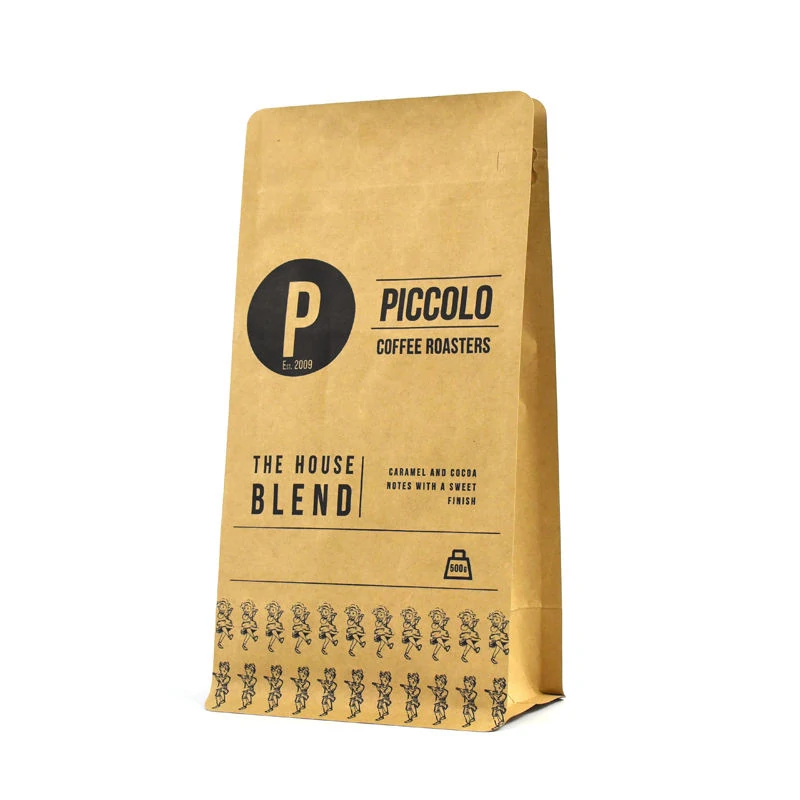
Metal wire wrapped in plastic, used with matching coffee bags for folding edges. After opening the bag and taking out the beans, roll the bag opening tightly and wrap it around to secure it.
(1 Post)
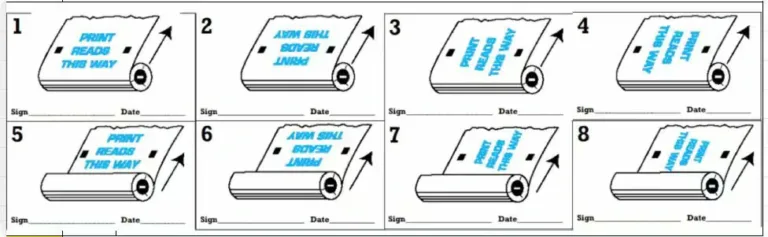
After the film roll is installed on the automatic packaging machine, it is unwound and fed out at a uniform speed.
This process requires determining the correct direction.
(4 Posts)
VMPET(Vacuum Metallized PET) uses PET as base film, formed via vacuum aluminum plating. It combines flexible plastic film traits with metallic properties.
Its coated aluminum layer blocks light and UV rays, keeps oxygen and water vapor out to lengthen product shelf life, and adds metallic luster for better package appearance.
VMOPP stands for Vacuum Metalized OPP. It takes OPP as base material, with a thin nano aluminum layer vacuum-deposited on one film side.
It blocks light, oxygen and moisture well, and is a fully PP-based recyclable metallized film.
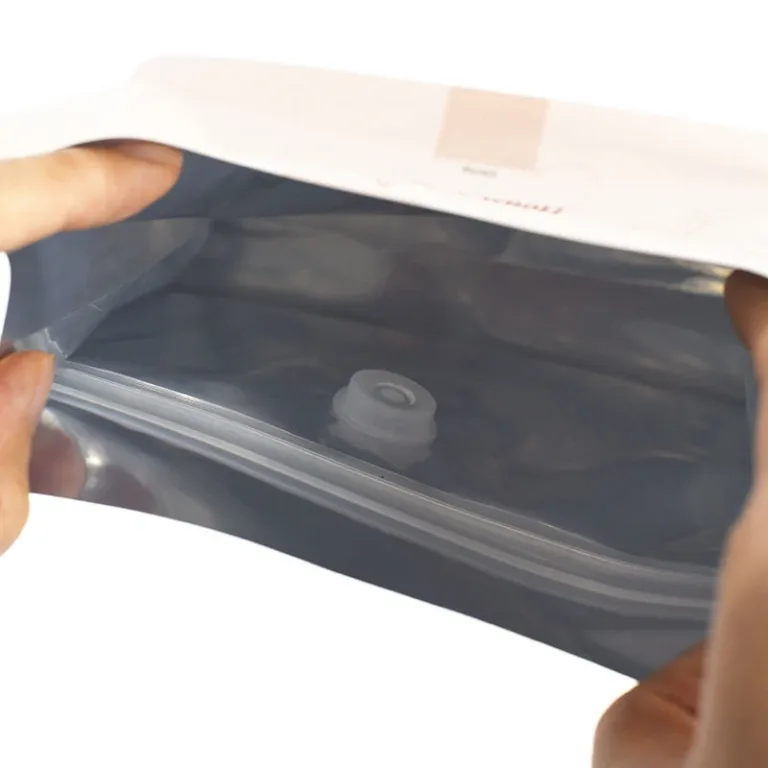
The one-way venting valve only releases the carbon dioxide produced during coffee bean roasting, preventing external oxygen from entering the bag.
This prevents the bag from bulging and bursting, slows down coffee oxidation, and preserves flavor and aroma.
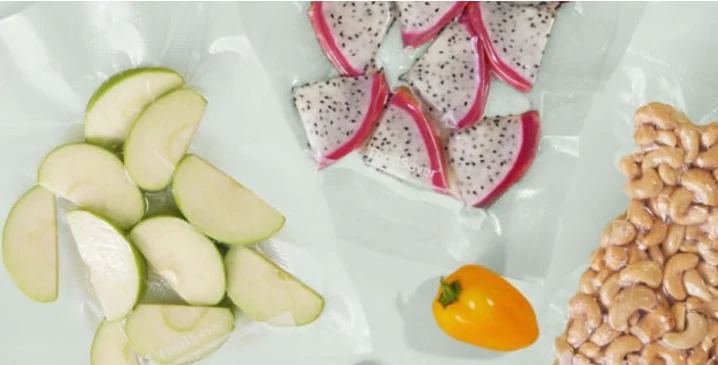
After removing the air from the bag, it is heat-sealed at high temperature to ensure a tight seal against the product, isolating it from oxygen, moisture, and bacteria.
This is typically done using PA/PE or PA/AL/PE material.
(2 Posts)
The film and aluminum foil have a grayish/silver base color.
White ink covers off-colors to prevent the base color from showing through and interfering with the pattern.
Colored inks printed on a white base are brighter and more accurate in reproduction, without appearing grayish or dull.
Adding white masterbatch to the PE substrate results in an opaque, semi-matte white film.
It offers better light-blocking properties than transparent PE, blocking a small amount of light, has a soft touch, and excellent heat-sealing performance.
(1 Post)
The packaging is equipped with a zipper, which can be repeatedly opened and closed after opening to isolate air and moisture and extend the shelf life of the contents.