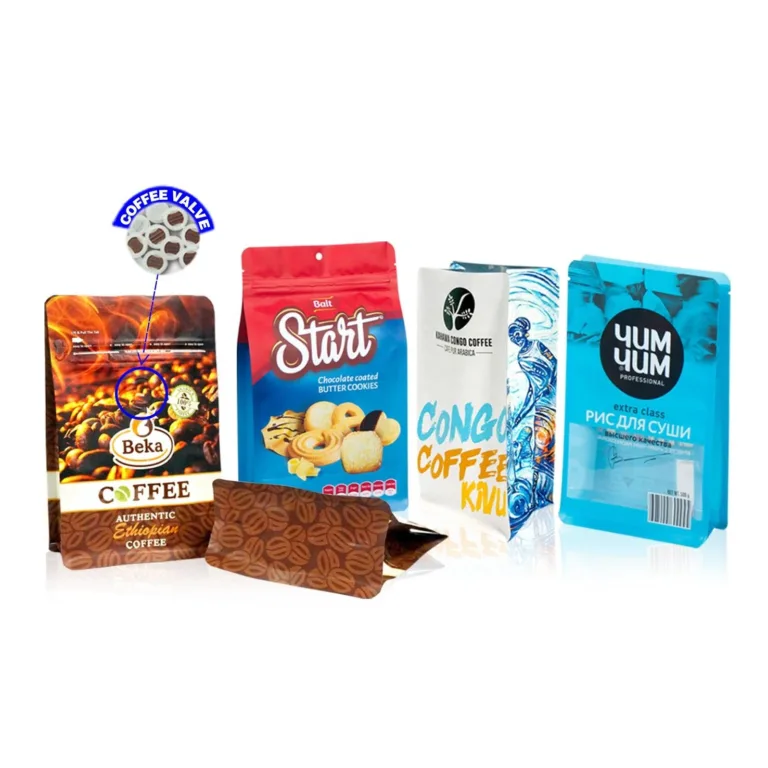
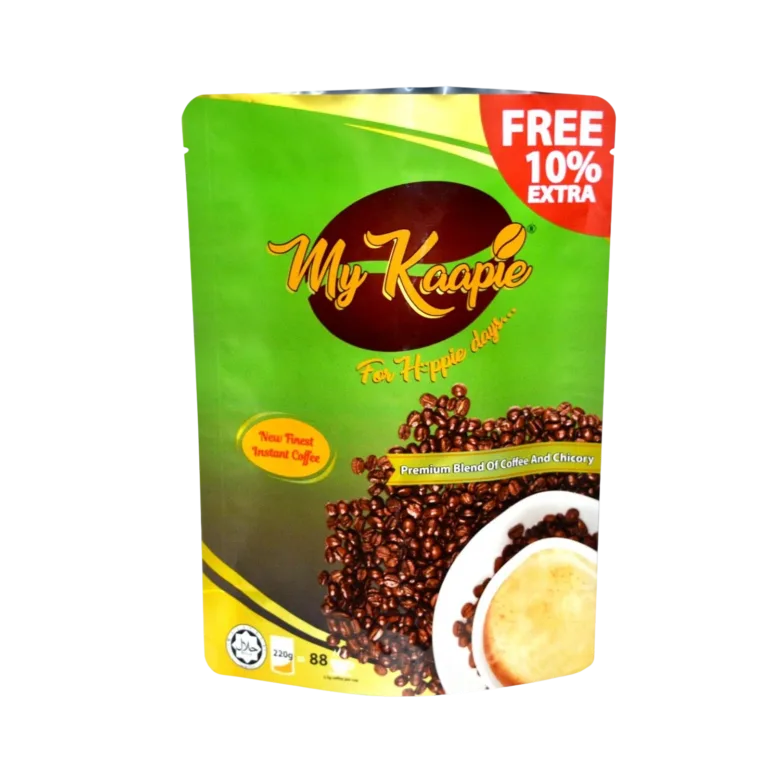
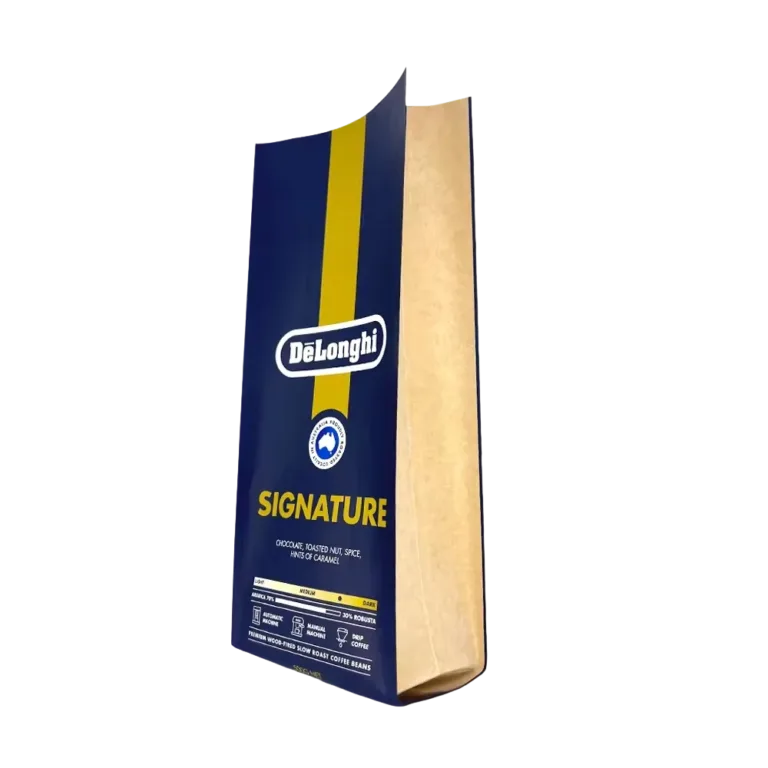
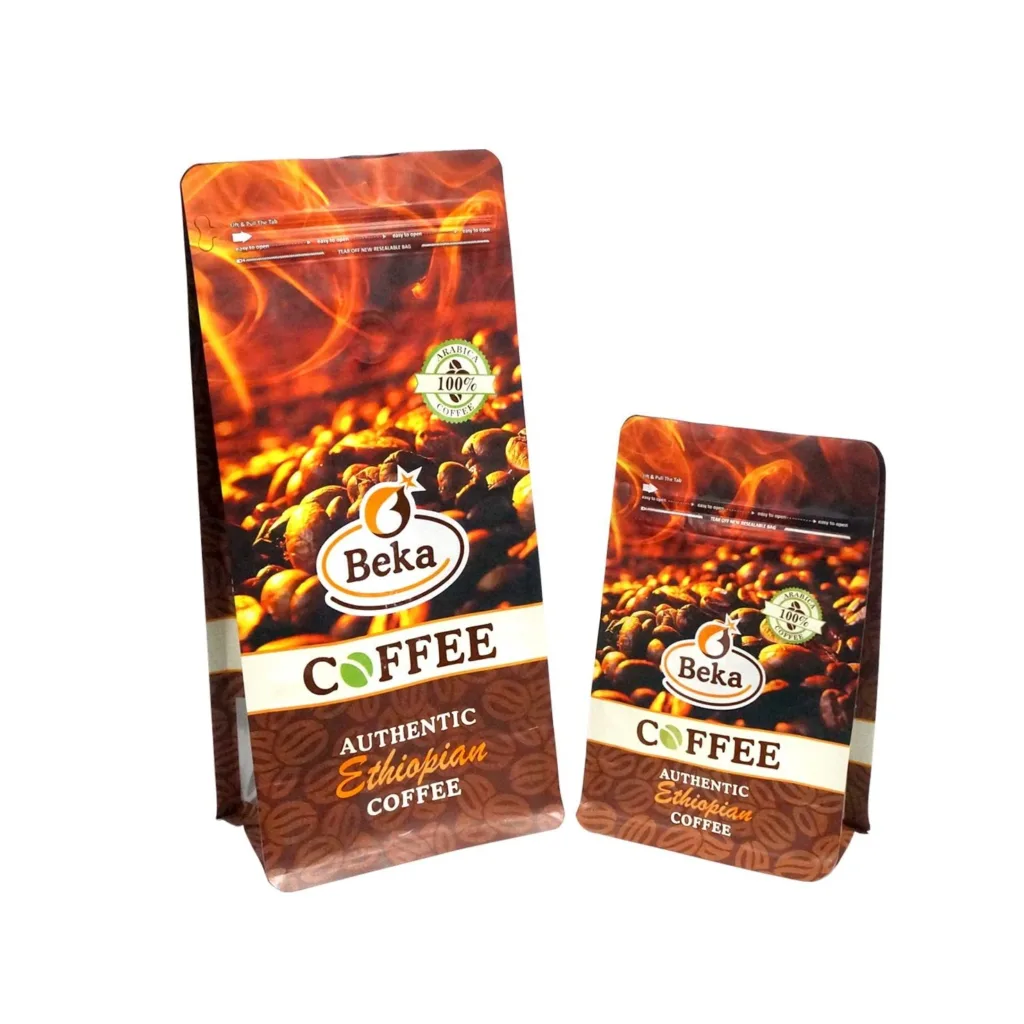
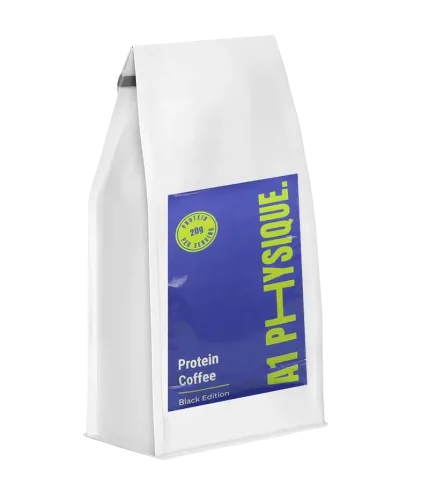
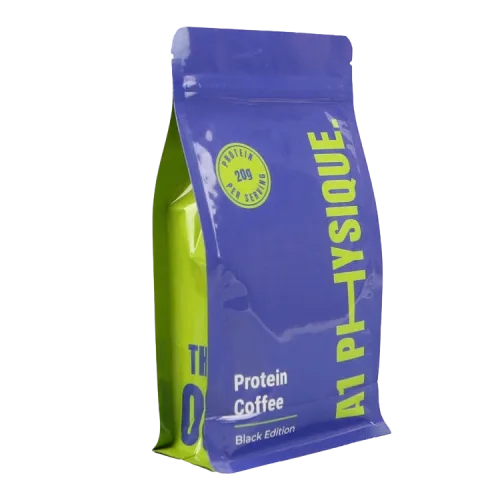
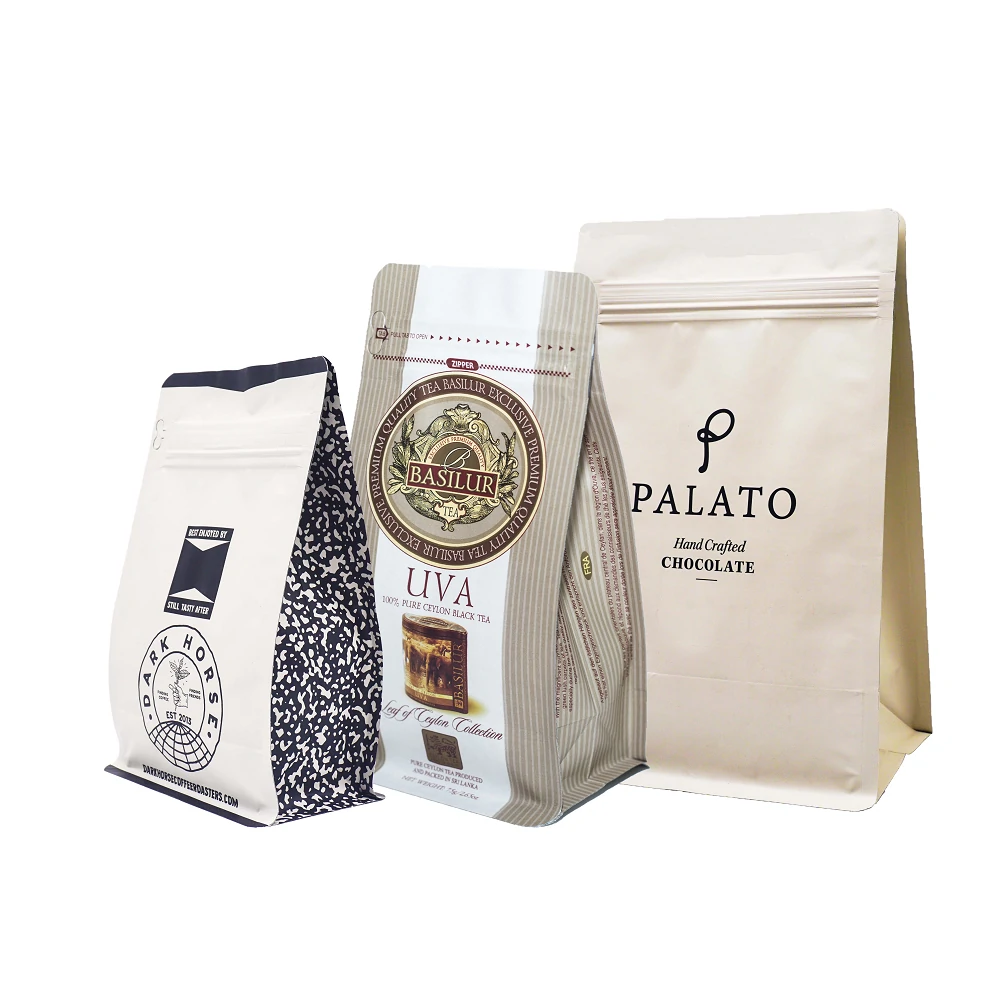
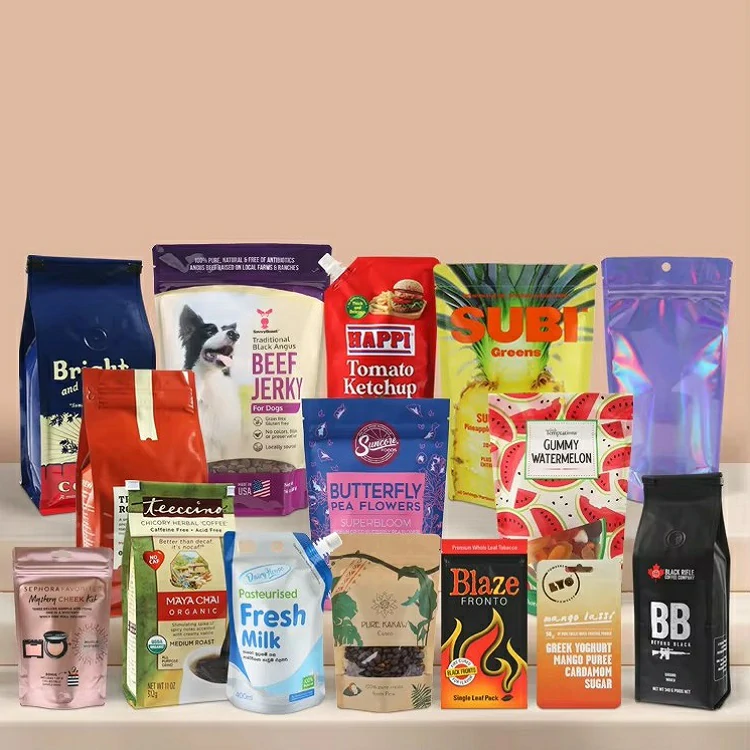
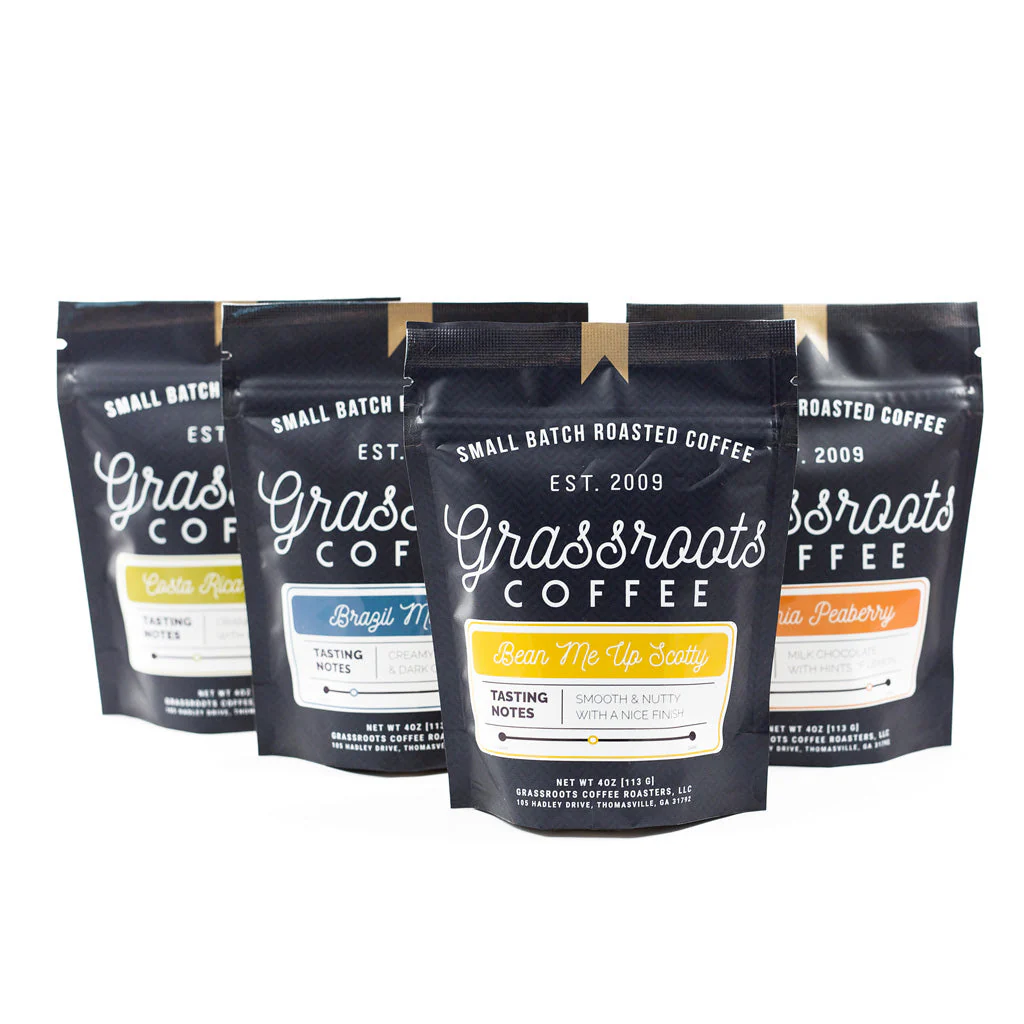
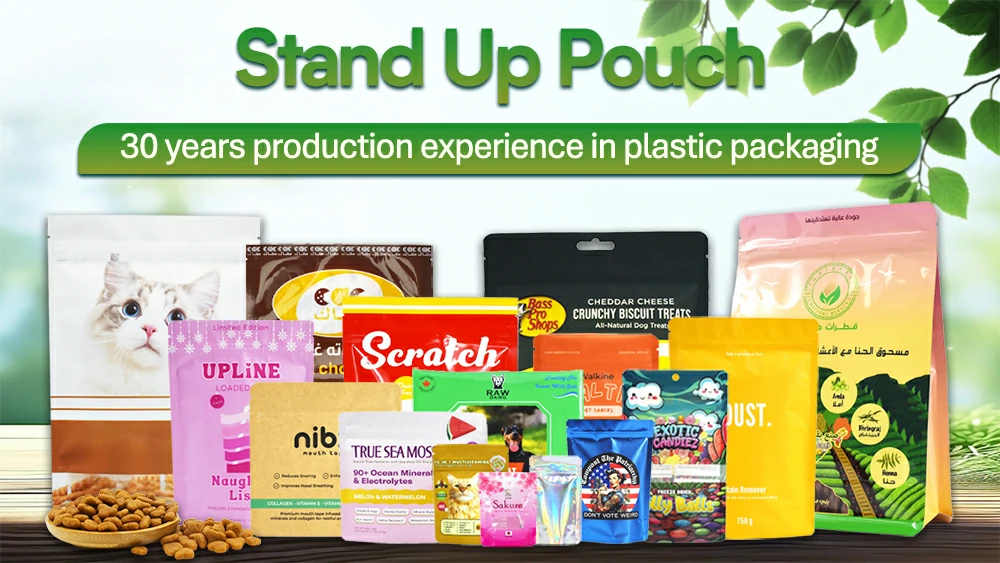
Sticking labels on blank bags used to be a decent workaround, but it was never more than a compromise. These days, you can easily get fully custom coffee pouches made without hassle.
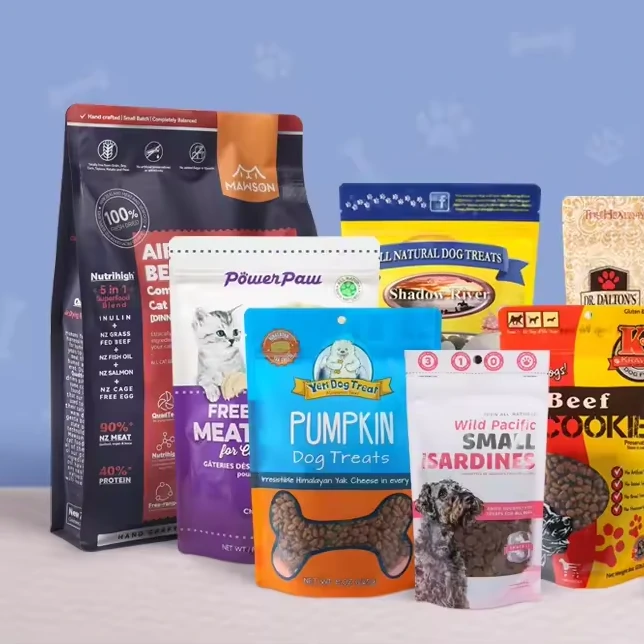
Custom packaging looks far more polished. Whether lined up on physical store shelves or featured as main product photos for online shops, they catch shoppers’ eyes and drive more sales.
Custom pouches do cost more upfront in the short term. But over time, they let you price your coffee higher, bring back repeat customers more often, and ultimately boost your profit margins.
Choose Perfect style For Coffee
Stand Up Pouches
Small Capacity
Bottom Gusset
Self-Standing, Popular Choice
Side Gusset Pouches
Medium Capacity
Side Gusset
Popular, use with tin tie
Flat Bottom Pouches
Large Capacity
Bottom & Side Gusset
Self-Standing, Advanced options
Custom Coffee Bags Features
Pull Tab Zipper
HD Printing
Round Corner
Bottom Gusset
Valve
Pull Tab Zipper
Easy tear zipper seals tightly to lock fresh coffee aroma after every single use.
One Way Degassing Valve
Built-in one-way valve releases CO2 and stops outside air ruining bean freshness.
High Quality Printing
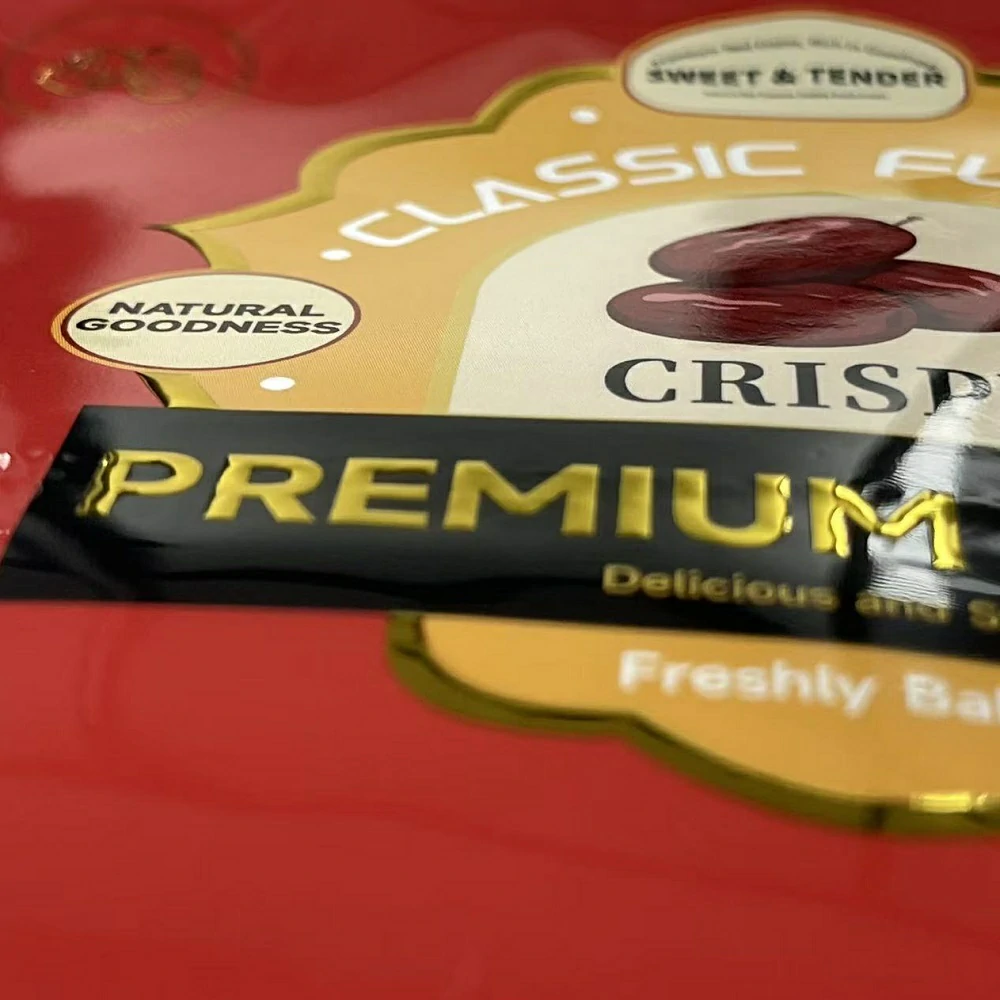
Vibrant sharp print fully showcases your brand art and unique coffee flavor features.
Round Corner
Safe smooth round corners prevent sharp edges from cutting your hands during use.
Bottom Gusset
Sturdy stand-up base keeps bags upright for neat display on all retail shelves.
Upgrade Your Coffee Packaging
Common Lables
Fully printed & unique
Choose Correct Material
Coffee beans need to be kept somewhere dark, cool and dry. To stop them from oxidizing and going stale while locking in their aromatic flavors, you’ll need coffee bags made from high-barrier film materials.
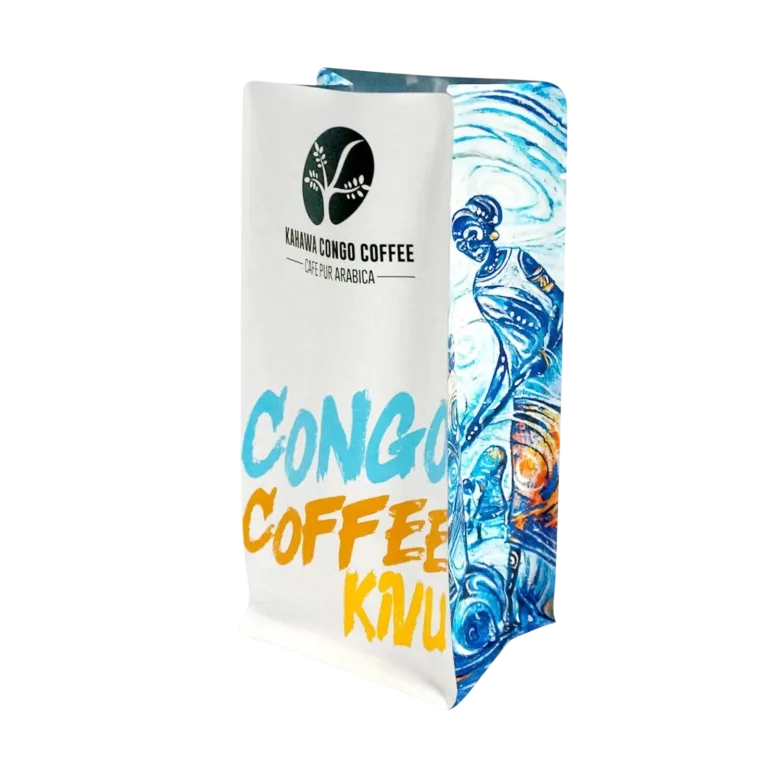
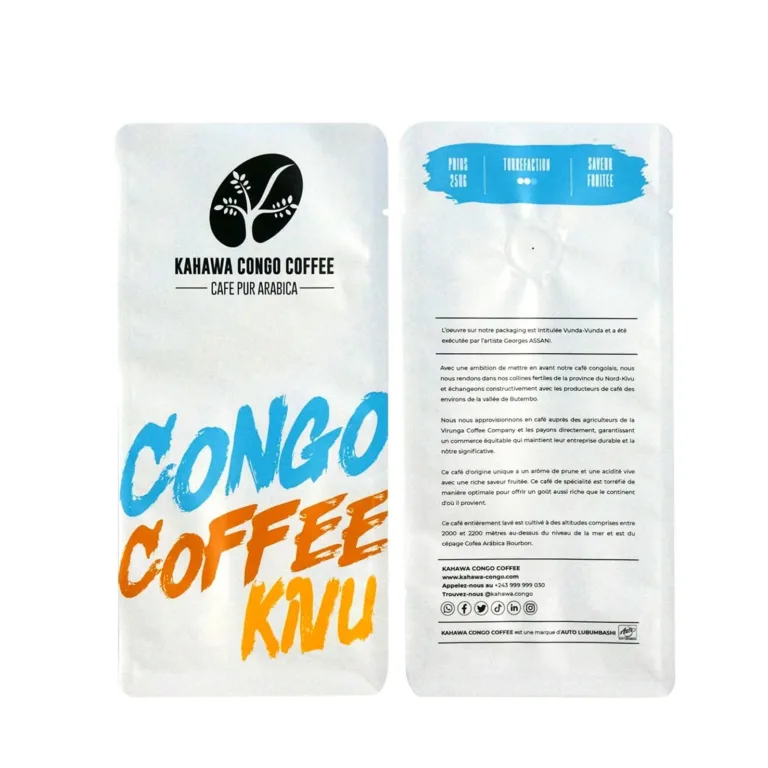
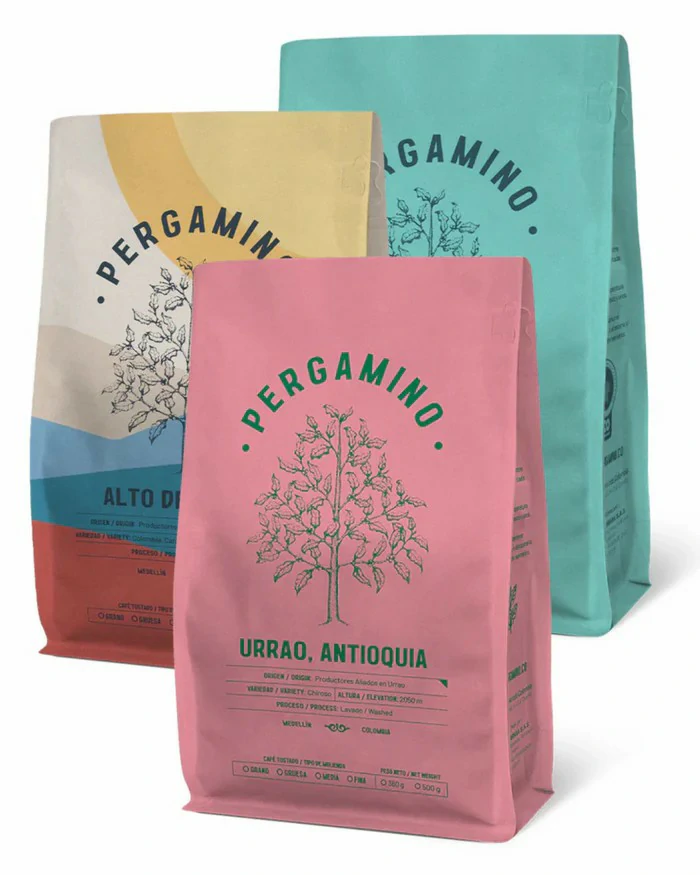
The plain white base and hand-painted lettering keep the look simple yet upscale. This calm design fits the positioning of small-batch specialty coffee really well.
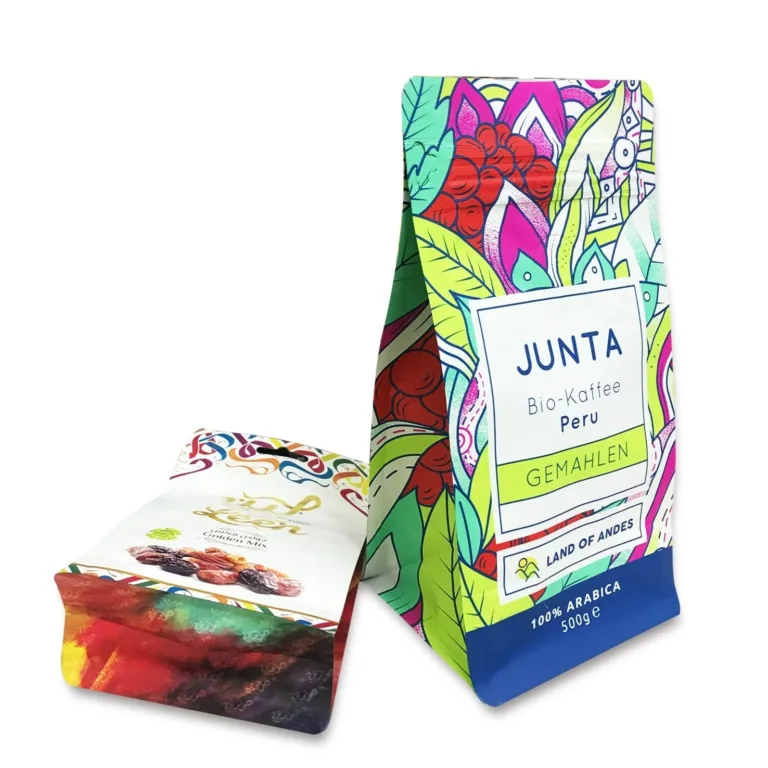
Its bright Latin folk art design pops nicely on store shelves. The rich colors instantly signal its Andean origins and help shoppers recall this brand easily.
All core product details are grouped inside a white label box. Even with busy background patterns, buyers can quickly find origin, grind type and brand info.
Pouch Customization Options
Choose the best flexible bag style that suits your product needs. Our flexible packaging solutions are not just containers; they are powerful advertisements that communicate your brand’s message effectively.
Printing Method
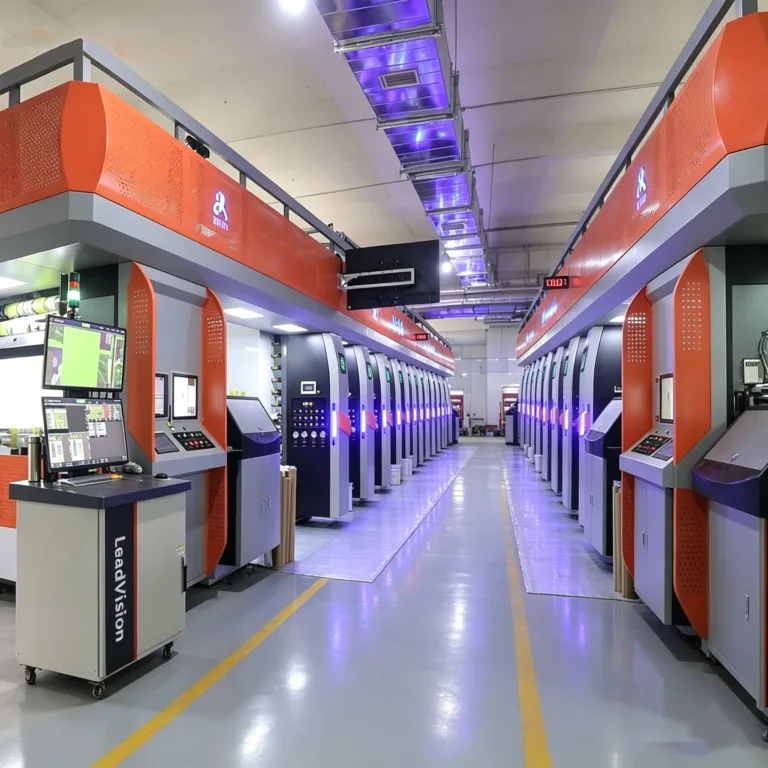
Makepac can do digital, flexo and gravure printing options depending on your requirements.
Most coffee bean bags on the market are multi-layer metallized composite pouches. Since these mixed material layers cannot be separated, they are not recyclable.
Recyclable Marerial Choices
Recyclable pouches are built with a single uniform material. We offer two main solutions: Mono PP and Mono PE. Special high-barrier coatings replace the metallized film, delivering nearly the same protective performance.
Advantages
Recyclable packaging is eco-friendly and aligns with consumers’ growing focus on sustainability. You can highlight the pouch’s reusability in your design to build an eco-conscious brand identity and stand out from competitors.
Types
of Coffee Product Pouches
Coffee Beans Bag
Whole coffee beans are quite large, so flat bottom pouch with bottom & side gusset is the best chpice . Standard sizes hold 250g to 1kg of beans, and we also offer oversized versions for up to 2kg.
Roasted coffee beans keep releasing carbon dioxide for up to 120 days after roasting. A one-way degassing valve is essential to stop the bags from bulging. It lets CO2 escape outwards, but keeps outside air from seeping back inside.
Most people can’t consume a full bag of beans at once, so we recommend adding a zipper on the opening. You can reseal the pouch tightly after each use, which extends the beans’ fresh flavor window to a full year or longer.
Ground Coffee Bag
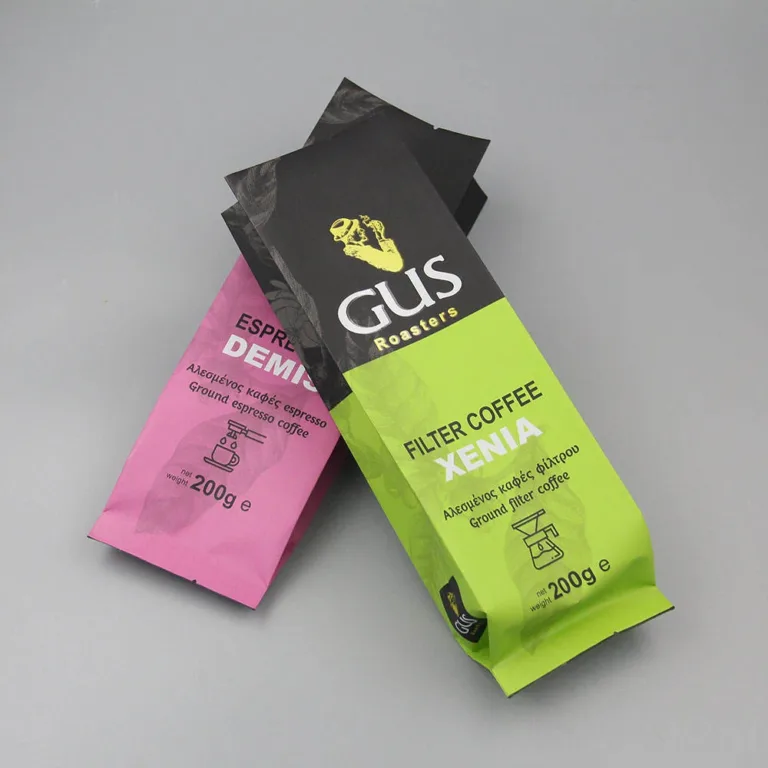
Unlike whole coffee beans, ground coffee has a far larger surface area exposed to air, so it oxidizes several times faster.
You must use pure aluminum as a barrier layer to block out all light and oxygen completely. Its carbon dioxide release rate also multiplies significantly, so you’ll need a porous high-flow degassing valve instead.
Ground coffee creates static easily when rubbing against the inner film, leaving powder stuck to the bag walls. Anti-static PE inner layers fix this issue and deliver a much better experience for customers.
Coffee Concentrate Bags
Lots of coffee lovers pick coffee concentrate for a quick, tasty caffeine fix anytime.
Coffee concentrate is slightly acidic and full of oils, so the inner layer of the pouch has to be oil and acid-resistant. These food-safe materials won’t react with the liquid coffee or let unwanted chemicals leach into the drink.
We can create custom-shaped pouches to stand out and boost your brand image—designs shaped like bottles, cans, or coffee mugs are all popular options.
Drip Coffee Bags
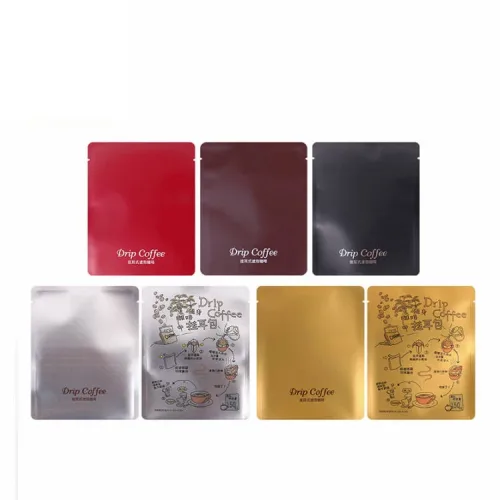
Drip coffee packets are tiny and slim, roughly as thin as a coin when compressed. Three-sided seal pouches are the perfect fit here—they’re budget-friendly, easy to carry, and ideal for quick brewing at work or outdoors.
One key detail to note: round all four edges of the pouch to avoid sharp corners that might cut hands. A tear notch is pre-cut on the upper section, so users can rip it open by hand without scissors.
For an even smoother tearing experience, we can add a laser tear line. It leaves a clean, neat opening once you tear it apart.
Drip coffee bags are usually neatly arranged in a display box and sold as sets, such as packs of 10 or 20 bags.
Coffee Bags
Zipper
Zipper Material
The zipper has to be made of the same material as the pouch’s heat-seal layer to ensure a tight, secure bond. PE and PP are the two most common options.
Pull Tab Zipper
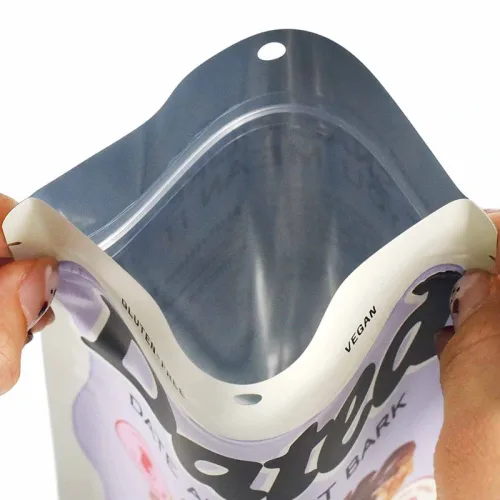
Hidden back pull tab zippers are placed on the rear side of the pouch. They leave the full opening width for easy access to coffee beans and won’t cover up any artwork on the front of the bag.
Common Zipper
Basic press-to-seal zippers are the most affordable and widely used. They offer simple re-sealing, but they cut down the width of the bag’s opening.
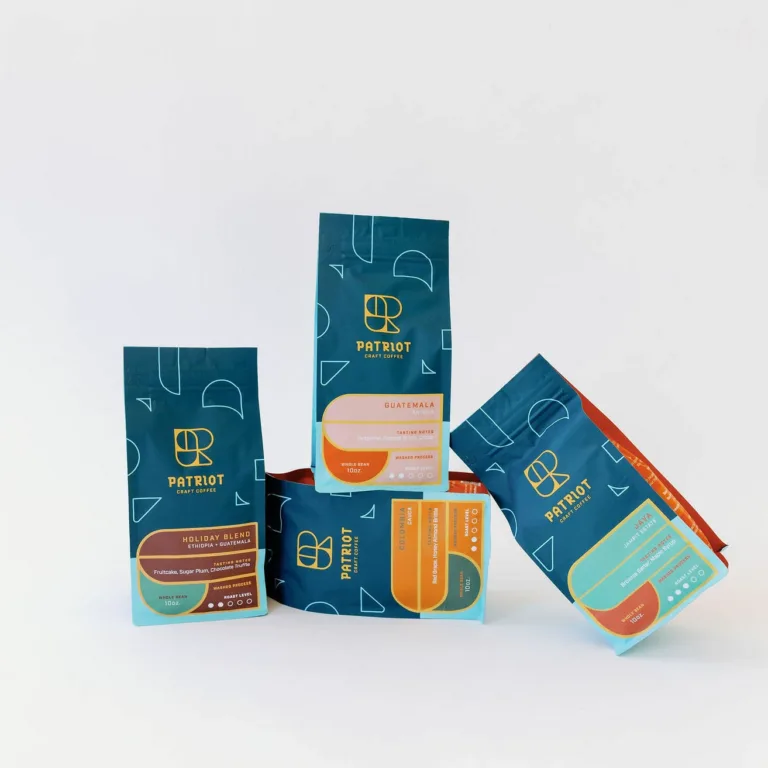
Creating a unified design style
If you sell coffee in a bunch of different flavors, it’s super important to stick to the same core look across all your packaging — there are tons of advantages to this.
Brand recognition
When shoppers quickly scan supermarket shelves or online store pages, consistent colors, fonts, logo placement and layout stick in their heads over time. That way, they can easily find your coffee again when they want to repurchase.
For example, use yellow for light roast, orange for medium roast, and brown for dark roast. Tiny little graphics can mark different flavor profiles, like nut, chocolate or fruity notes.
Later down the line when you launch brand-new flavors, you only have to switch up the accent colors. Customers will instantly recognize your brand and see you’ve got new coffee varieties to try.
Visual impact
Shoppers love neat, organized product lines with plenty of options to pick from.
When all your coffee bags sit side by side on supermarket or local roastery shelves, matching packaging layouts create a clean, unified visual block.
This grabs people’s attention way better than a messy mix of totally different bag designs.
Save design costs and time
You can keep the core layout unchanged, and only swap out flavor color blocks, flavor illustrations and text.
There’s no need to redo the whole design every single time, which saves you money on designer revisions and cuts down design hours.
When you launch new flavors later, you’ll only need minor edits to the artwork, speeding up your product launch and shortening the lead time for sampling and production.
If you want to bring packaging costs down as much as possible, you can design a standard base pouch, then use different stickers to tell each product line apart later on.
Find Your Answer
Select a category below to view related questions and answers
What's MOQ of custom bags?
MOQ 100 pcs and you can get better price if order more.
Can MOQ devided into different designs?
Yes, however, this is on the premise that the bag size and material must be the same.
Can I get a sample with my design?
Yes, custom printed sample is available
Is printing proof available before Bulk production?
Yes, the printing proof will be ready 7 days later than order date.
What format of artwork do you need?
Illustrator or PDF, please make sure they're editable instead of a texture.