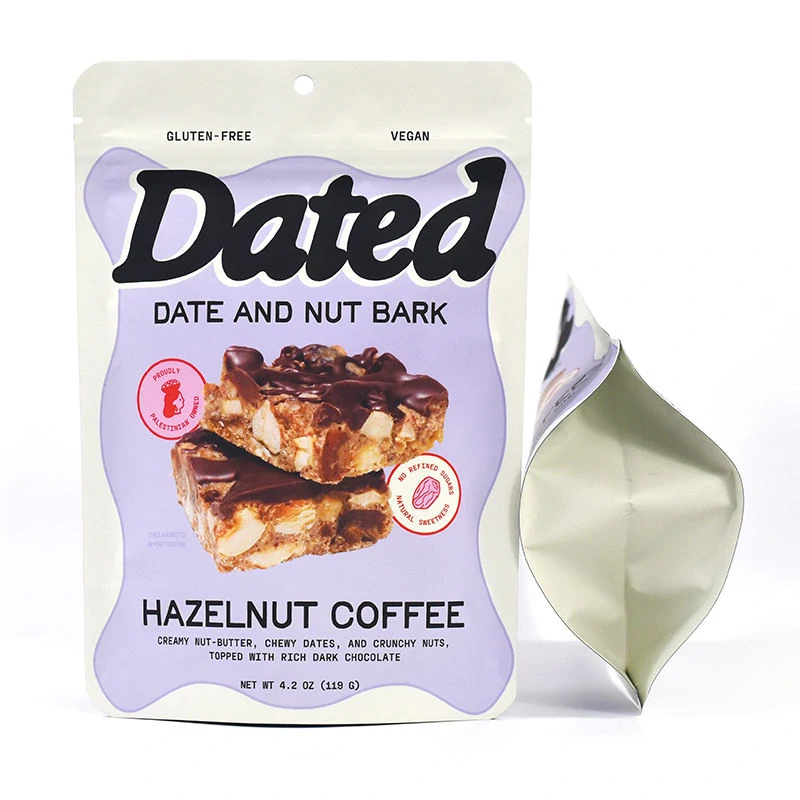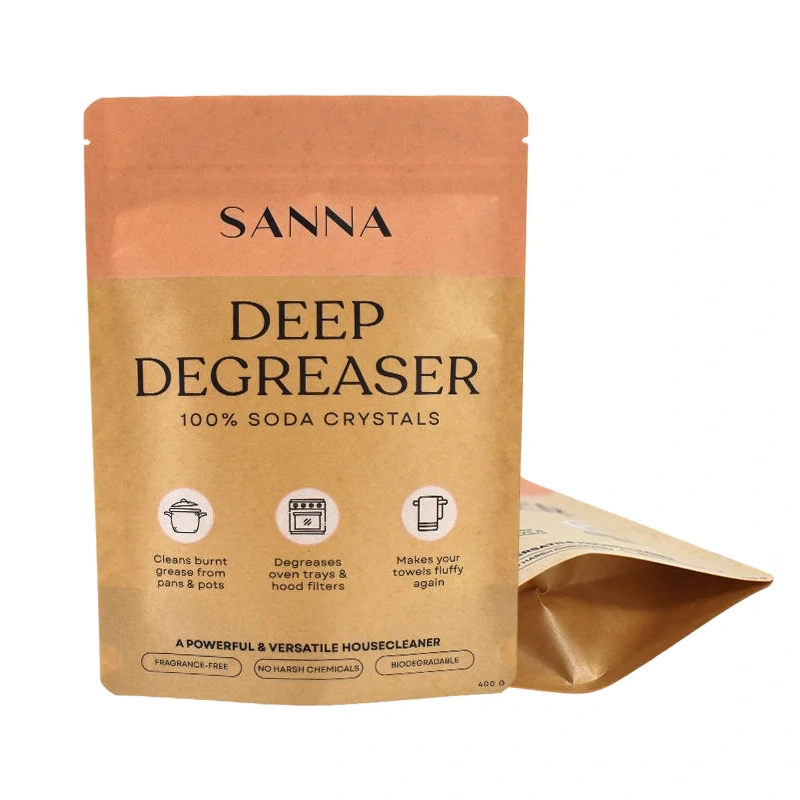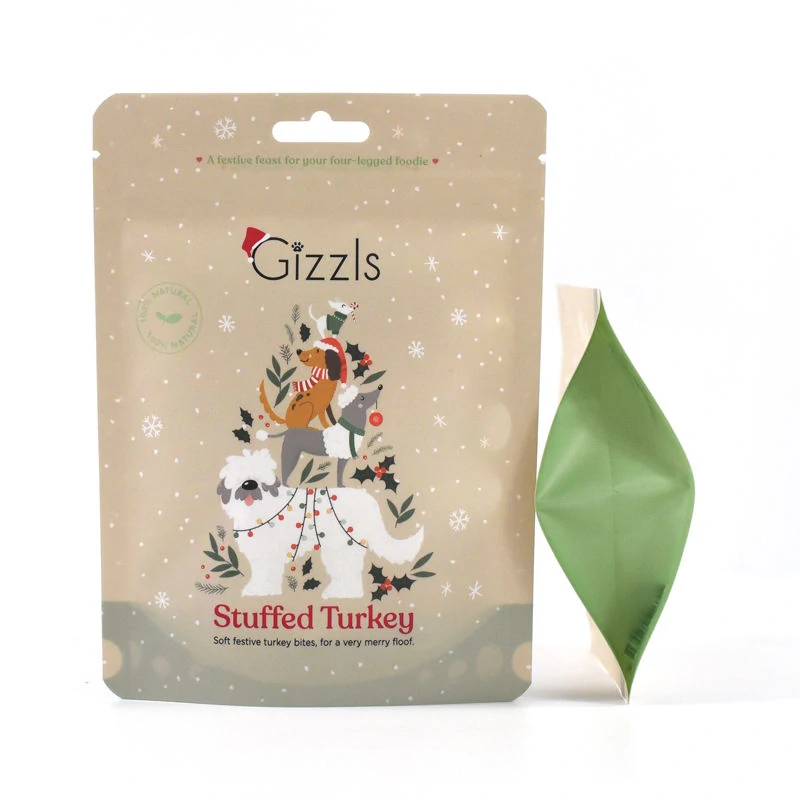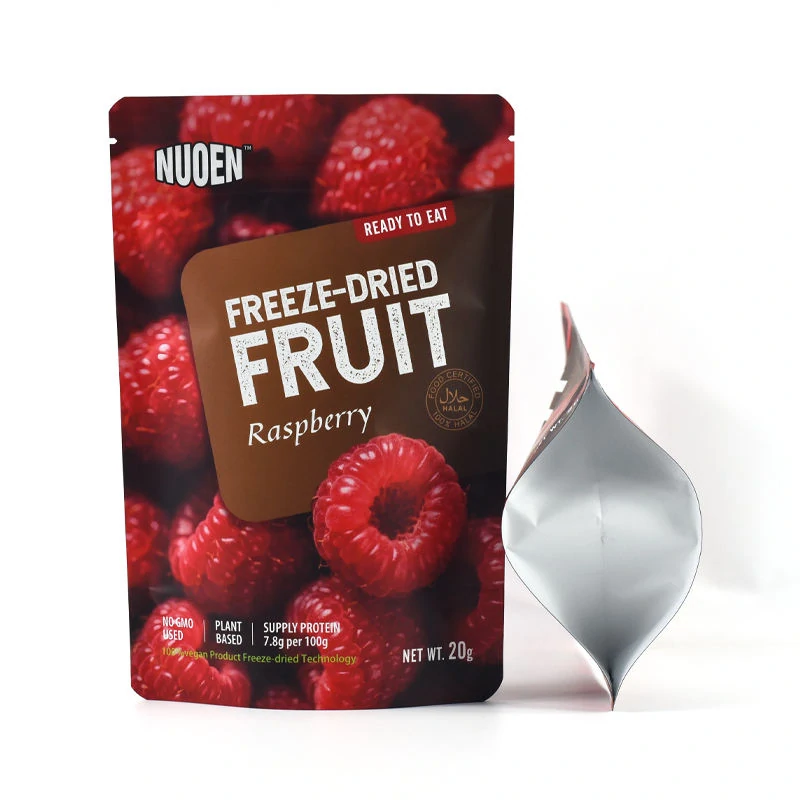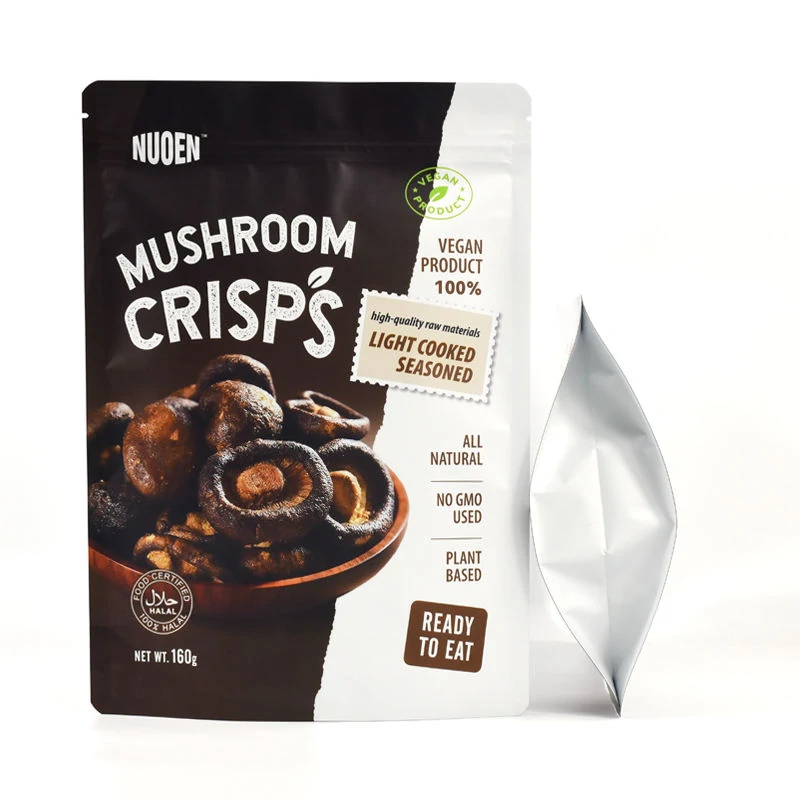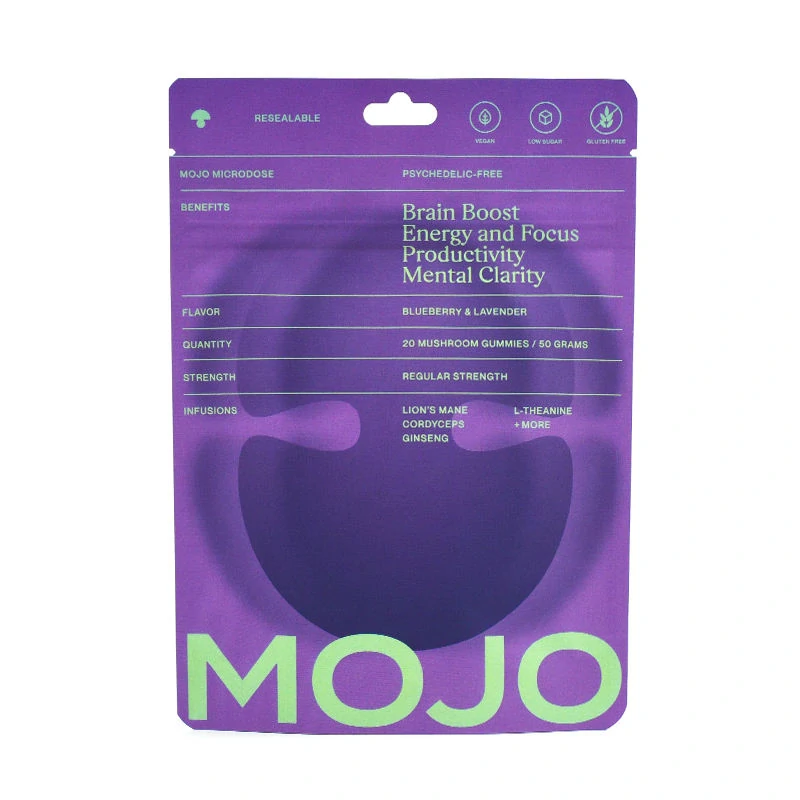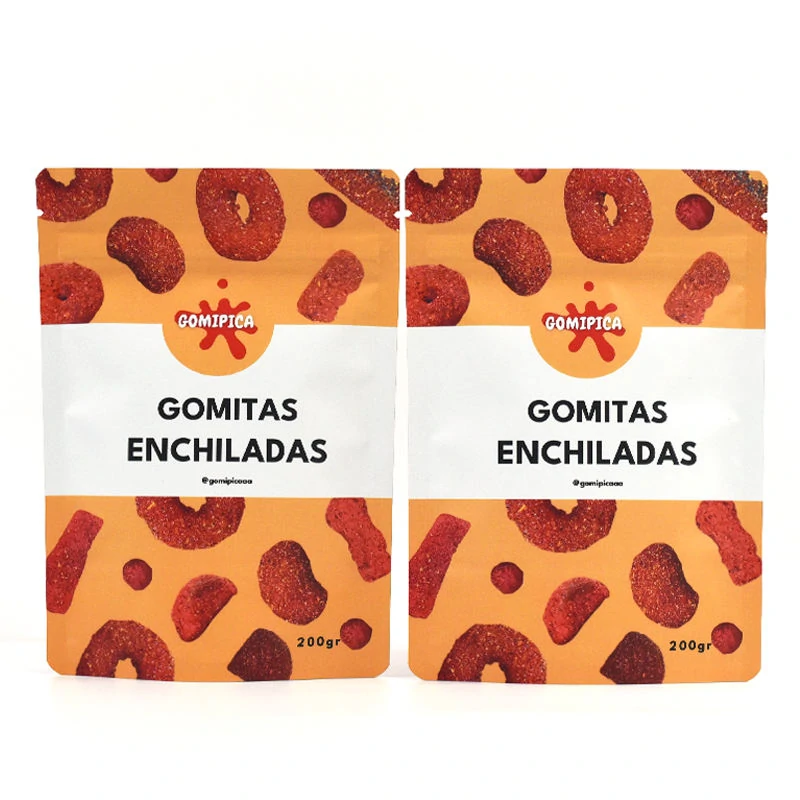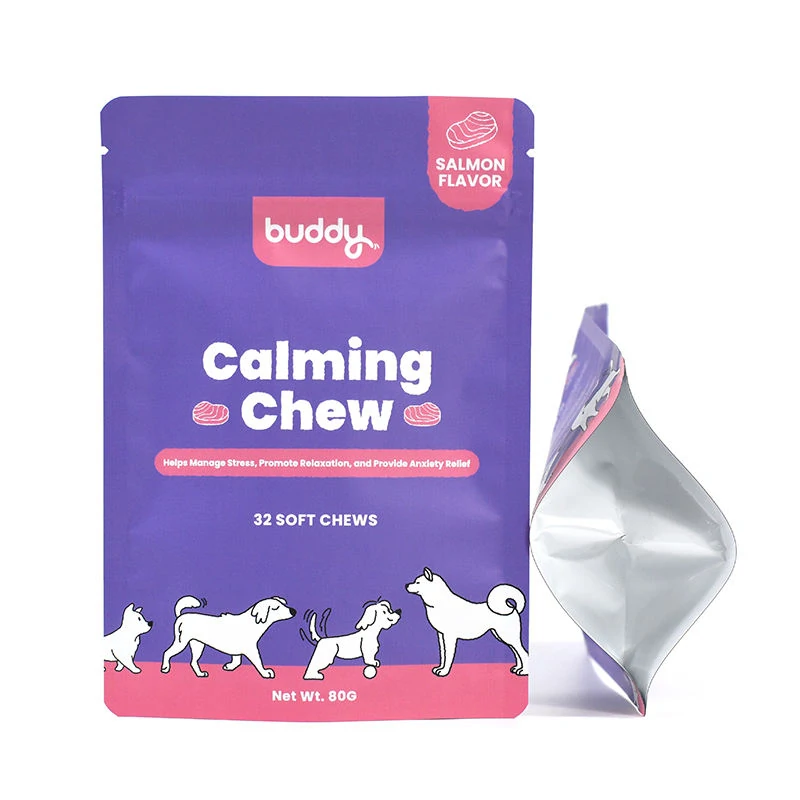
Recyclable Pouches
What is Recyclable Pouches?
Recyclable packaging bags are made of a single material and can be recycled back into plastic raw materials after use.
Recycling reduces the extraction of new resources, decreases landfill and incineration, and protects the environment.
Currently, the mainstream packaging options are recyclable PE or recyclable PP. Nanoscale aluminized materials can also be added to increase the barrier properties of the packaging without compromising its recyclability.
Choose Correct Material for Your Products
The core purpose of packaging bags is to keep contents in proper storage conditions, so picking the right material matters a lot. Different materials block light, moisture and oxygen to varying degrees. (Higher scores mean better barrier performance)
OPTIONS
MATERIAL
OXYGEN
MOISTURE
LIGHT
Mono PE
Mono PP
PCR Packaging
High Barrier
MDOPE / PE
OPP / CPP
MDOPE / PCR PE
OPP / VMOPP / CPP
Types of Plastic Particles
Plastic films are produced by blowing plastic pellets on film blowing machines. The properties of the final film depend entirely on the raw pellets used.
The following is a brief overview of different plastic pellet types and their traits.
MDOPE ( Machine Direction Oriented Polyethylene )
MDOPE is uniaxially stretched polyethylene film. The machine-direction stretching tightens its molecular structure, bringing better moisture barrier, puncture resistance and stiffness than regular LDPE. It is fully PE-based, recyclable, often combined with PE or EVOH for frozen food packaging, featuring soft texture and low-temperature tolerance.
EVOH ( Ethylene Vinyl Alcohol Copolymer)
EVOH is a high-barrier co-polymer resin famous for ultra-low oxygen transmission rate. Sandwiched between PE layers in co-extruded films, it drastically slows food oxidation. Its oxygen-blocking capacity drops under high humidity, so PE protective layers are required. It is compatible with PE recycling streams for mono-material packaging.
BOPP ( Biaxially Oriented Polypropylene)
BOPP, also called OPP, is biaxially stretched polypropylene film. It boasts high transparency, smooth printing surface and decent water vapor resistance. Standard transparent BOPP has weak oxygen barrier, mostly used as outer printing layers for plain dry food bags. It belongs to full-PP recyclable packaging systems.
CPP ( Cast Polypropylene)
CPP is non-oriented cast polypropylene film with excellent heat-sealing performance. It serves as the inner seal layer for all PP composite bags. Flexible and tear-resistant, regular CPP works for room-temperature food while RCPP variant supports retort sterilization, and it can be fully recycled with other PP films.
PCR ( Post-Consumer Recycled material)
Specifically refers to recycled raw material granules obtained from plastic products (food bags, plastic bottles, daily chemical containers, etc.) that have been used and discarded by end consumers, after complete recycling, sorting, deep cleaning, crushing, and melt granulation. The industry abbreviation is PCR recycled material: rPP, rPE, rPET.
Technical Specifications
The thicker the material, the better its barrier properties.
OTR (Oxygen Transmission Rate)
@ 23℃, 0% RH, Unit: cm³ / (m²・24h・Atm)
WVTR (Moisture Vapor Transmission Rate)
@ 38℃, 90% RH, Unit: g / (m²・24h)
| Structure | OTR | WVTR | Est.Shelf Life |
|---|---|---|---|
| MDOPE/PE | 40 ~ 70 | 4 ~ 8 | 3 ~ 5 Months |
| OPP/CPP | 120 ~ 200 | 12 ~ 20 | 1 ~ 2 Months |
| MDOPE/PE EVOH | 0.3 ~ 1.5 | 6 ~ 10 | 8 ~ 12 Months |
| OPP/VMOPP/CPP | 1.2 ~ 4.0 | 1.2 ~ 3.0 | 6 ~ 10 Months |
Plastic Recyclable Symbols
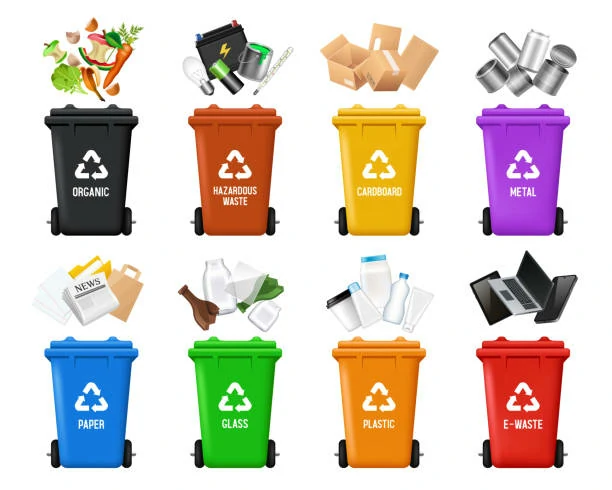
Based on the different raw materials, recycling symbols numbered 1 to 7 are used to distinguish them, allowing the public to easily join the recycling effort without having to learn the differences between various plastic materials. The symbol consists of a triangle with numbers inside.

Plastic Restrictive Policies
Plastic pollution has become a common ecological challenge worldwide. In order to achieve plastic reduction, circular economy, and low-carbon development, countries have successively introduced comprehensive plastic restriction and control policies, comprehensively restricting the circulation of single-use non-degradable plastic products and raising the mandatory requirements for packaging recyclability and recycled material content.

United States: California
The supermarket has completely banned all plastic shopping bags and only provides paper bags.
By 2032, all plastic packaging must be recyclable or industrially compostable.
By 2028, recycled fiber content in paper bags will be ≥50%.

Canada
Promote a nationwide EPR recycling system
Prioritize recyclable packaging bags made entirely of PP/PE.
The manufacture, import, and sale of six types of single-use plastics are prohibited nationwide.

Europe PPWR
Starting in August 2026, all packaging must be economically recyclable.
By 2030, only RecyClass A/B/C grade (recycling rate ≥70%) packaging will be allowed to circulate.
By 2030, plastic packaging must contain at least 30% recycled PCR materials; this figure is projected to increase to 65% by 2040.
What is RecyClass?
Introduction
It’s established by Plastics Recyclers Europe (PRE), is an EU-recognized, globally accepted standardized certification system for the recyclability of plastic packaging.
It is also the only authoritative assessment tool that aligns with the EU’s Packaging and Packaging Waste Regulation (PPWR).
Grades
A full-chain assessment is conducted on finished plastic packaging bags and containers, and they are classified into six ratings: A/B/C/D/E/F, based on their recyclability.
Grade A
Grade C
Recycling rate of ≥70%, the material is compliant with the minimum requirements for recycling. Recycled materials contaminated with oil or multicolor heavy inks exhibit reduced performance and are used in secondary plastic products such as plastic storage boxes, logistics stretch film, plastic woven bags, plastic pallets, and garbage cans, which are non-food contact products.
Grade D/E/F
Multi-layer heterogeneous composites (PP+PET, paper-plastic composites, thick aluminum foil AL) are completely unrecyclable by machinery and can only be incinerated for power generation. Their sale in the EU will be banned from 2030, such as kraft paper aluminum-plastic composite bags and ordinary VMPET/PE metallized bags.
Grade B
Recycling rate ≥90%, high-quality recyclableThere are minor recycling defects (a small amount of multi-color ink, thin nano-aluminum plating), which slightly reduces the purity of recycled materials, but most recycled materials can still be reused in a food-grade closed loop, such as OPP/VMOPP/CPP.
Advantages of PCR Packaging
Environmentally Friendly
Using PCR (Polyurethane) in packaging bags consumes only 15%–30% of the energy required for virgin materials, reducing carbon emissions by over 50%. This significantly reduces the need for oil extraction and minimizes plastic waste landfill and marine pollution.
Enhanced Brand Image
European and American supermarkets and importers prioritize products containing PCR packaging; the packaging clearly indicates the recycled PCR content, aligning with consumers' environmental preferences.
Regulatory Compliance
Early adoption of PCR packaging allows for compliance with upcoming EU PPWR regulations, California regulations, and Extended Producer Responsibility (EPR) schemes.
Closed-Loop Resource Recycling
Single-material, fully recyclable PP/PE bags are recycled into PCR granules, which are then used to manufacture the same packaging, achieving a closed-loop cycle of "packaging - waste - recycling - new packaging".
Process of Recycling Packaging bag
Recyclable packaging bags need to be properly recycled in order to be reused.
Properly dispose of garbage
Emptying the packaging bag and disposing of it in the recycling bin is the starting point for its recycling and reuse.
Centralized Transshipment
Recycling organizations compress and bundle loose packaging, significantly reducing transportation volume, and transport it uniformly to automated sorting centers
Sorting different materials
Raw materials enter the sorting plant, where multiple layers of sorting remove foreign materials and ensure that only a single material flows into the next process.
Material processing stage
Specialized equipment is used to crush, clean, dehydrate, melt, and finally become Post-Consumer Recycled material (PCR)
Closed-loop utilization
Food-grade rPP/rPE from clean industrial scraps and low-ink single-material bags can be reused to produce new recyclable packaging bags.
Downgraded use
Recycled materials contaminated with oil or multicolor heavy inks exhibit reduced performance but are suitable for use in non-food contact plastic packaging.
See Bags We Produced