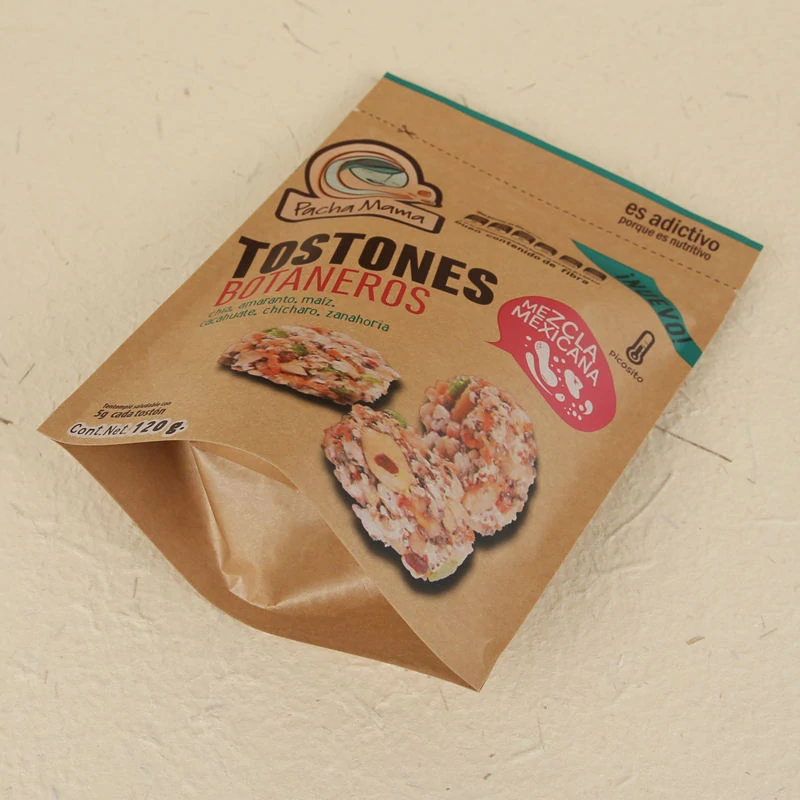
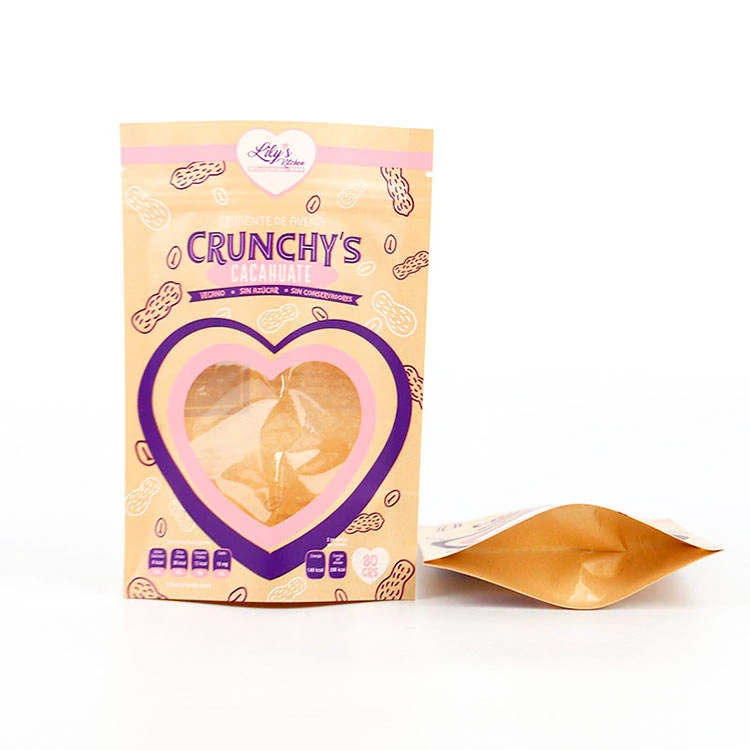
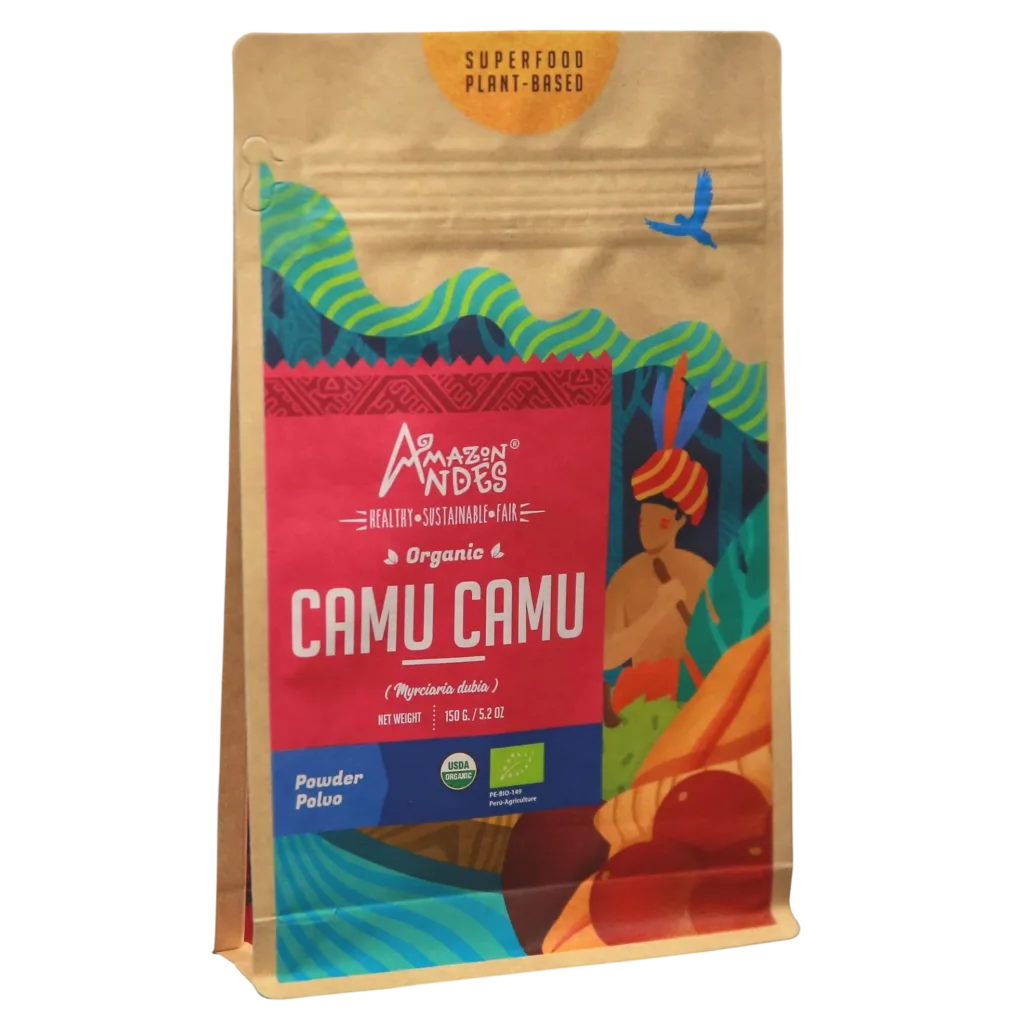
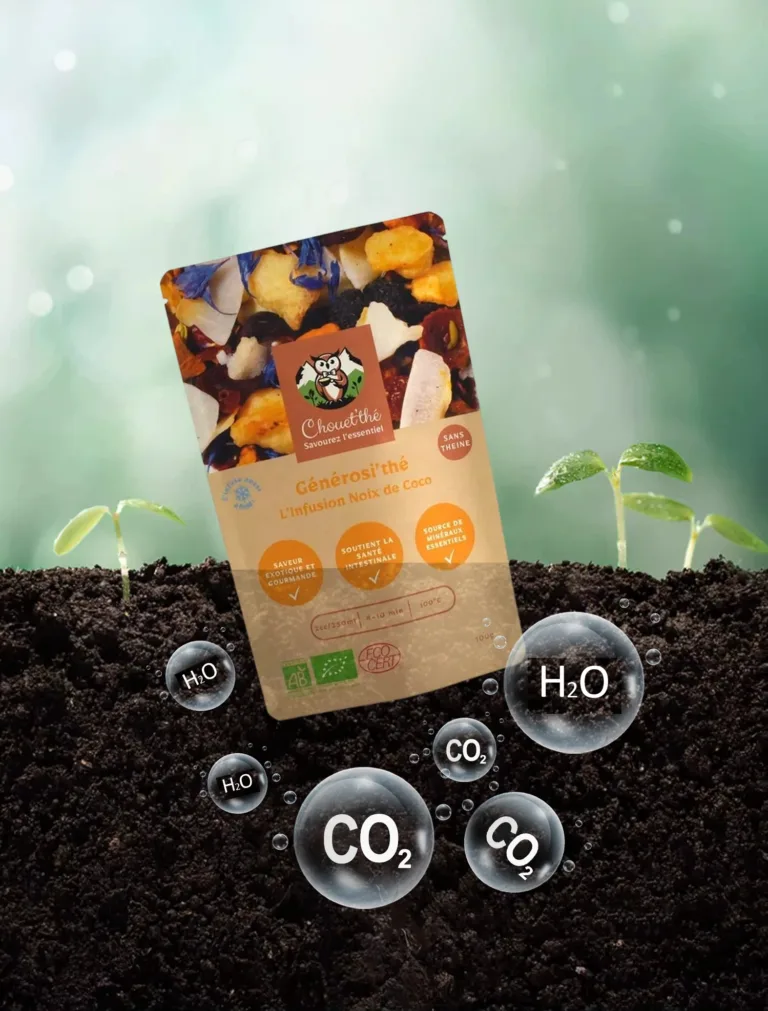
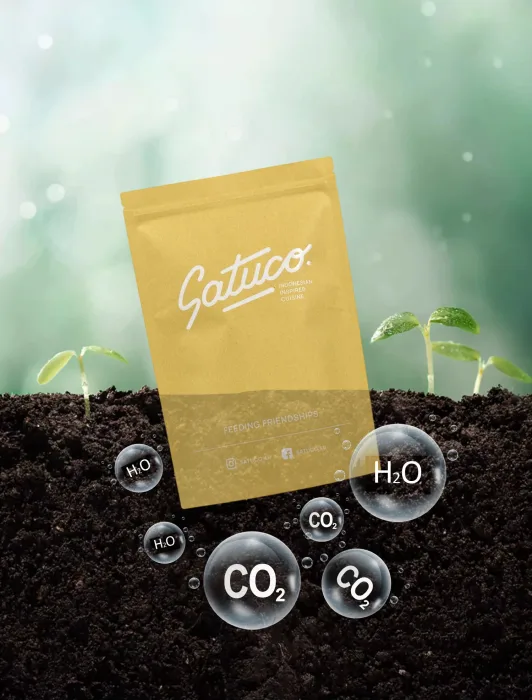
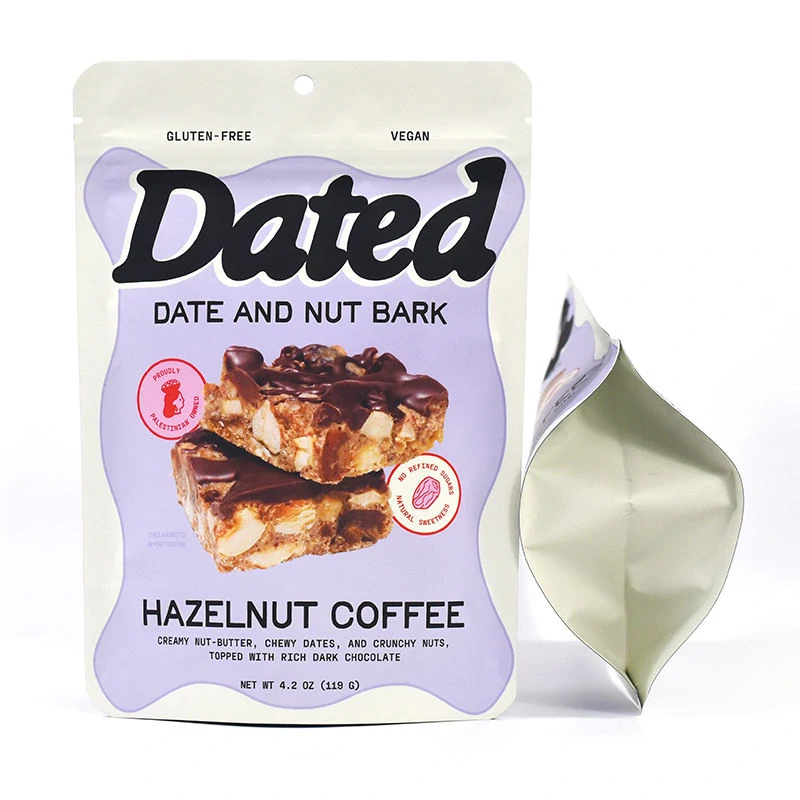
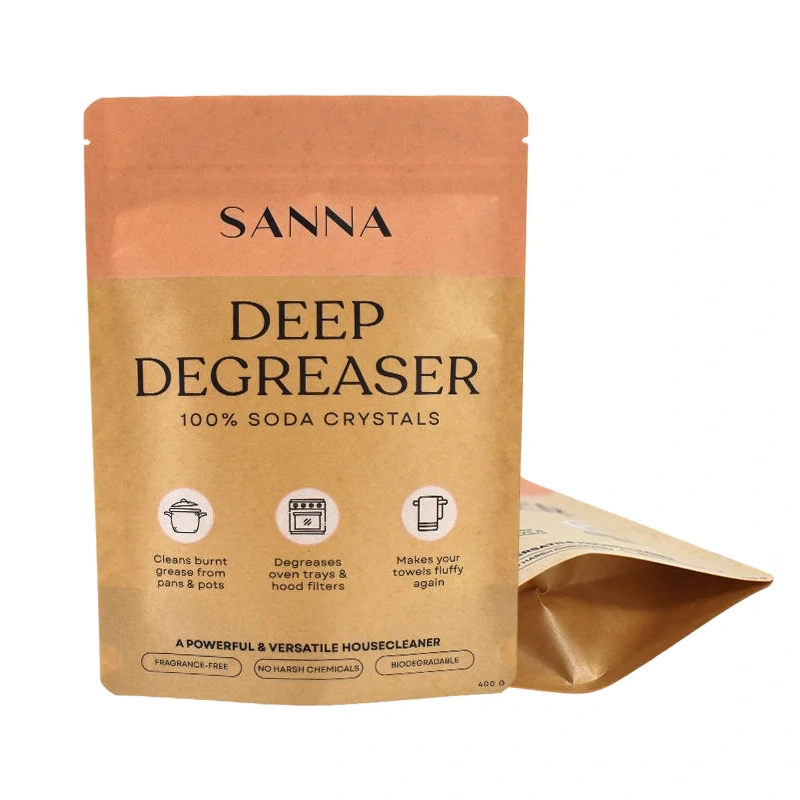
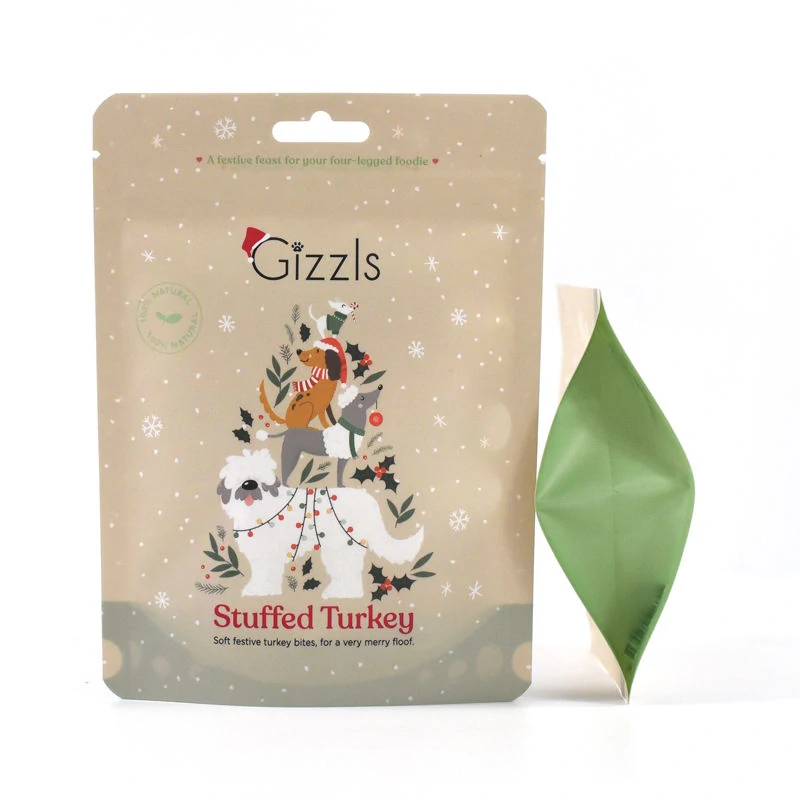
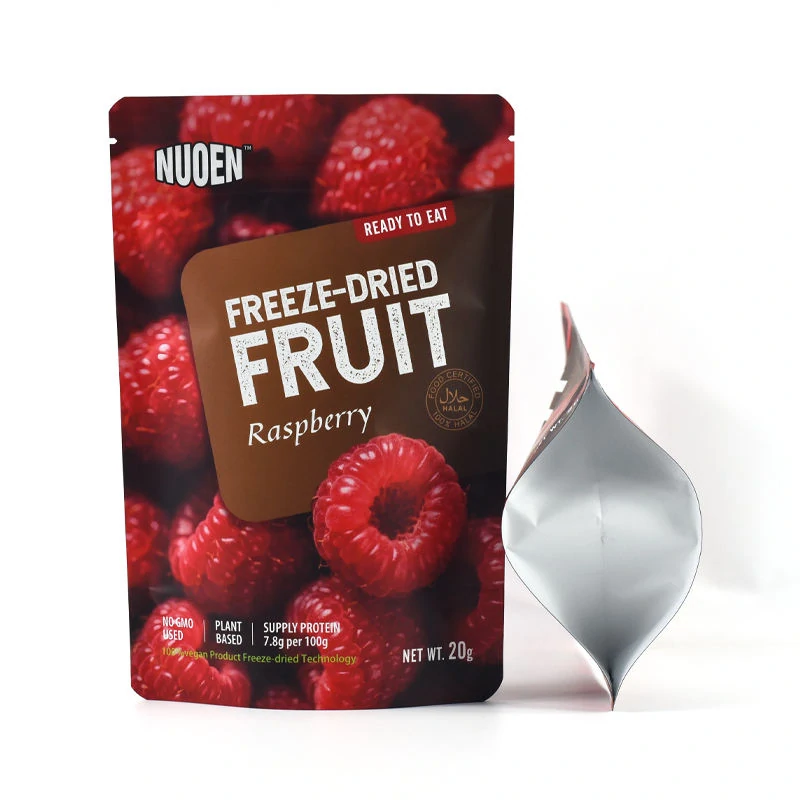
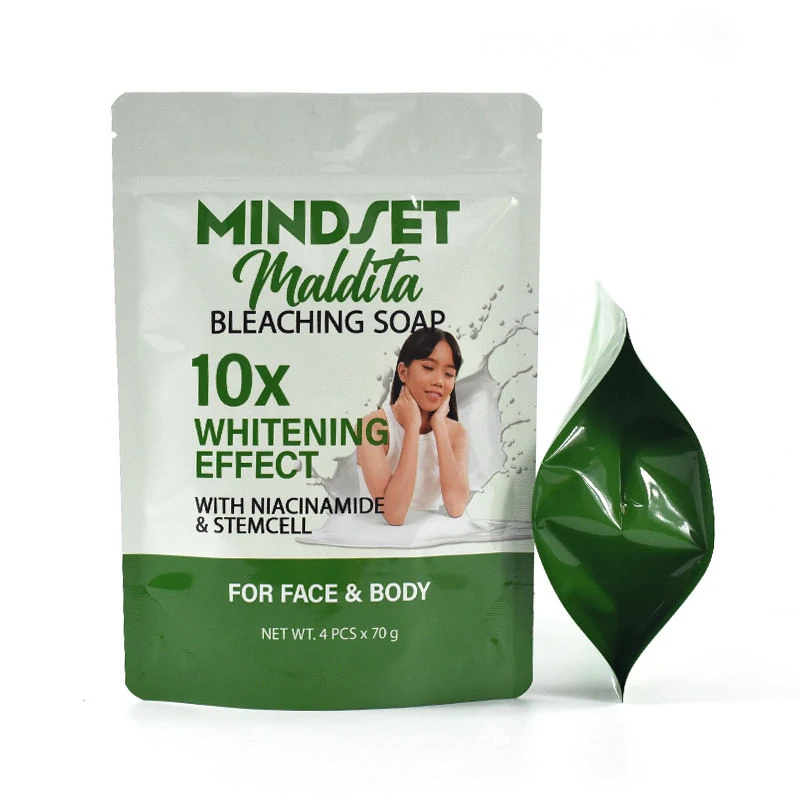
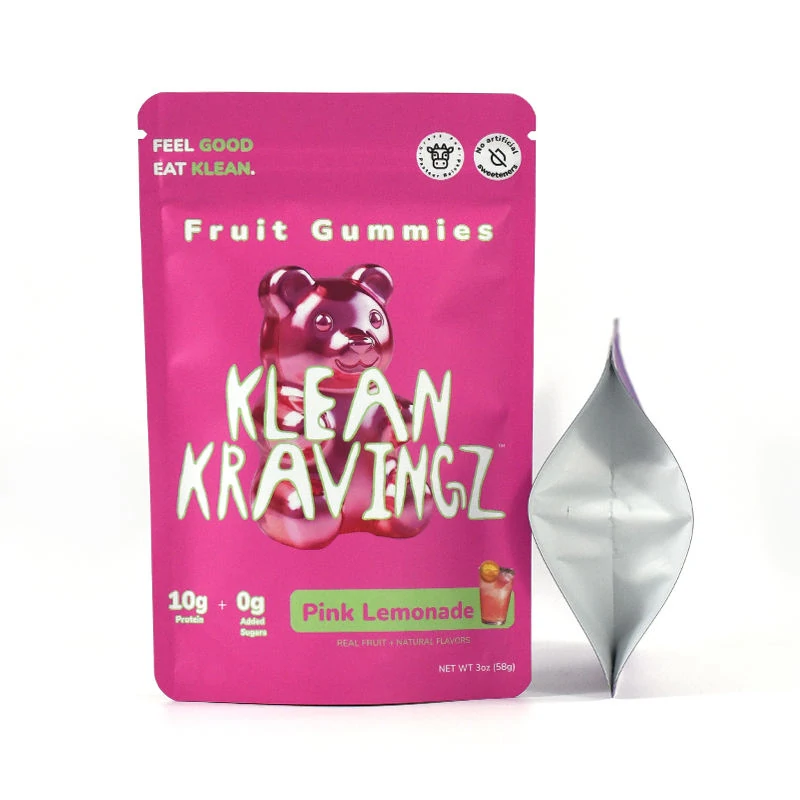
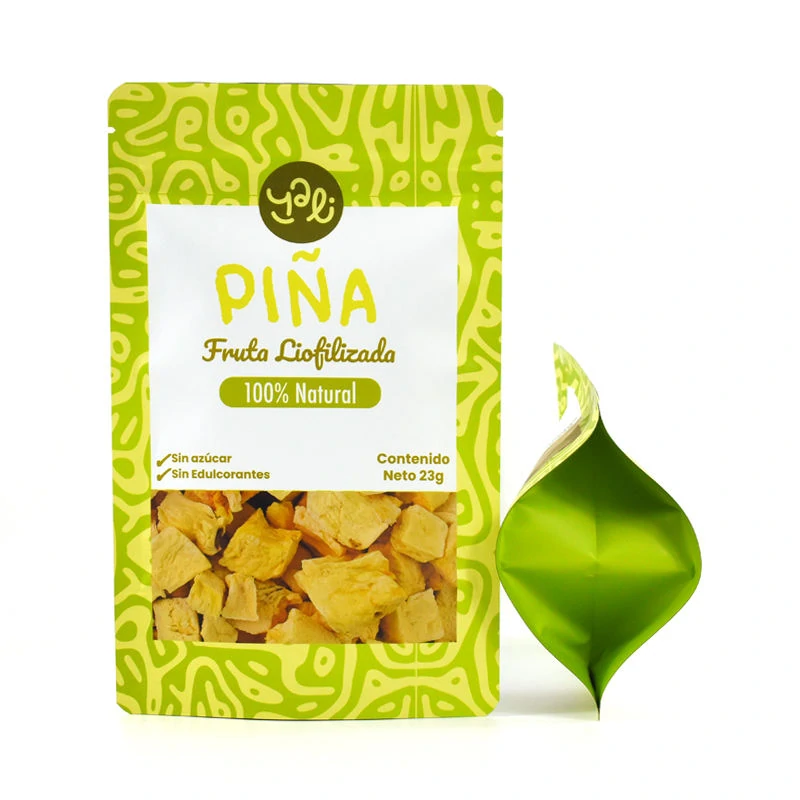
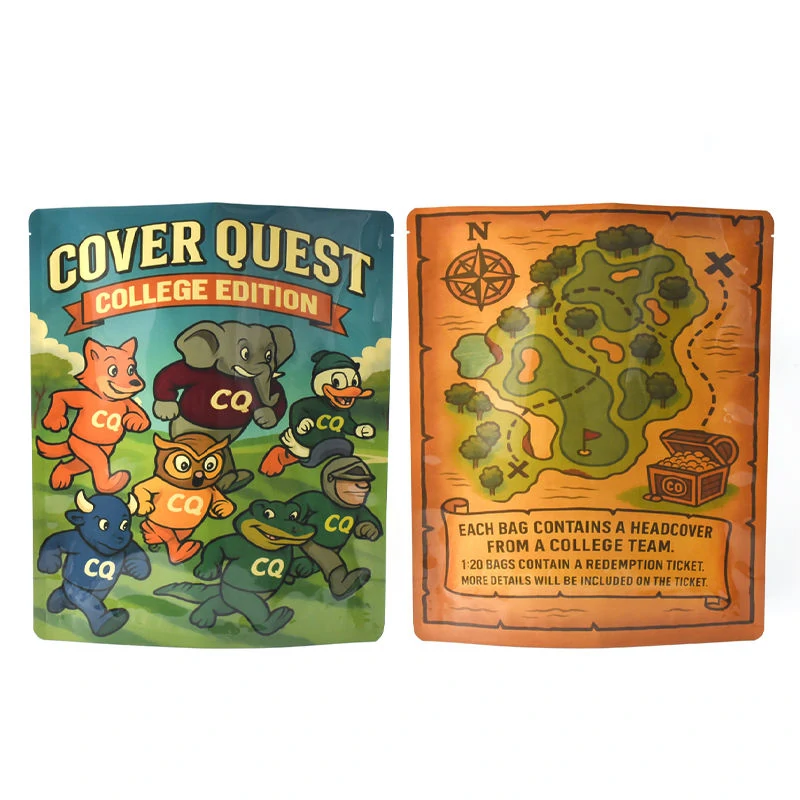
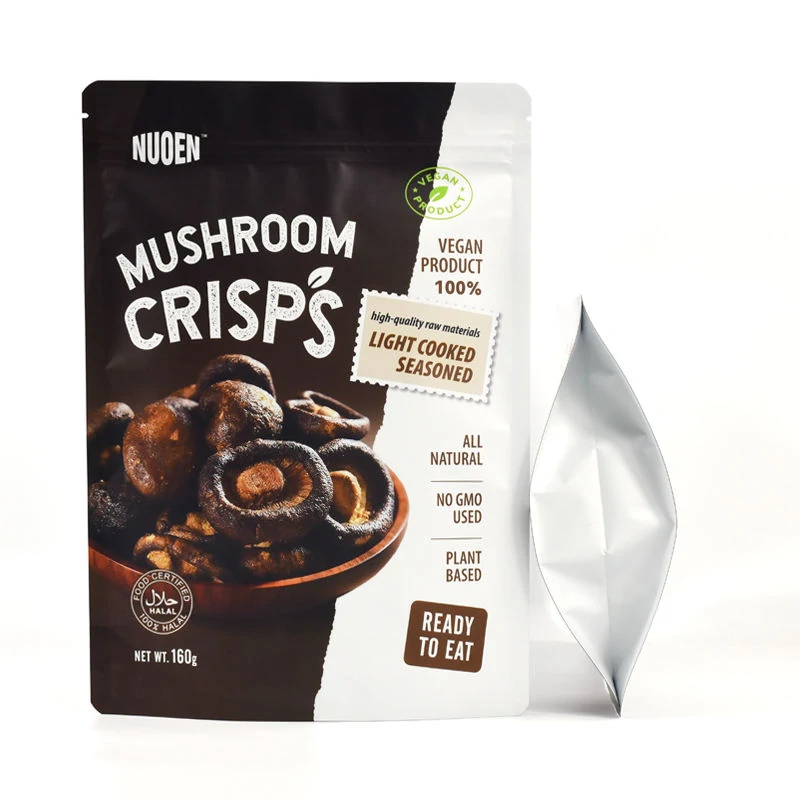
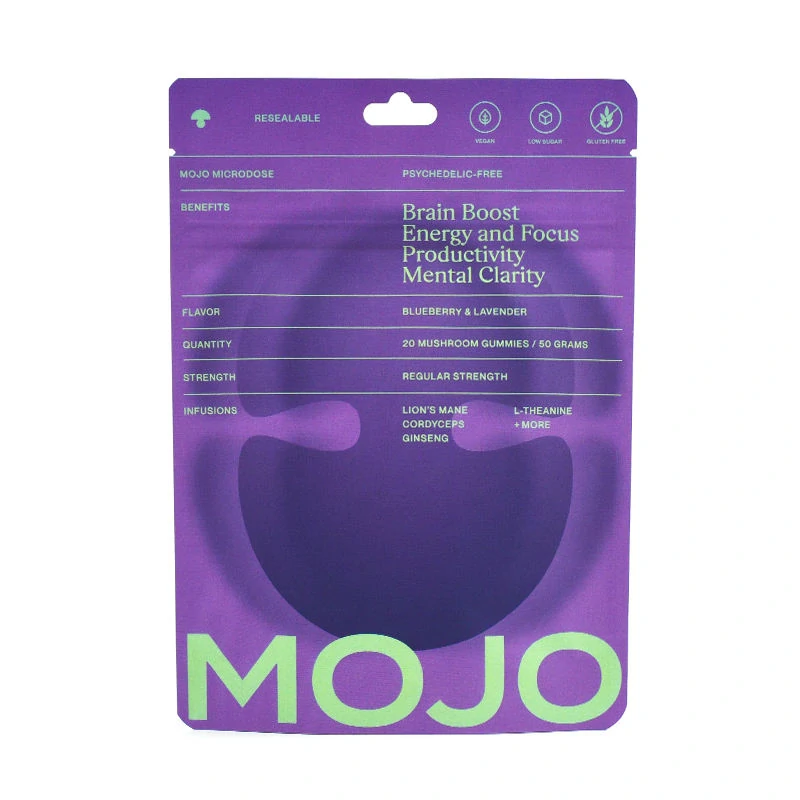
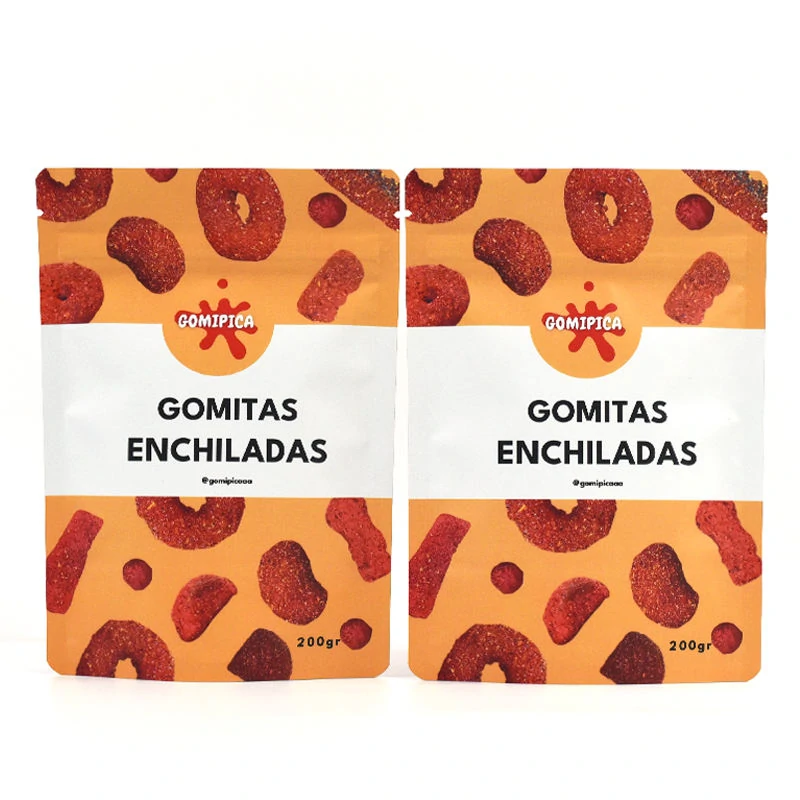
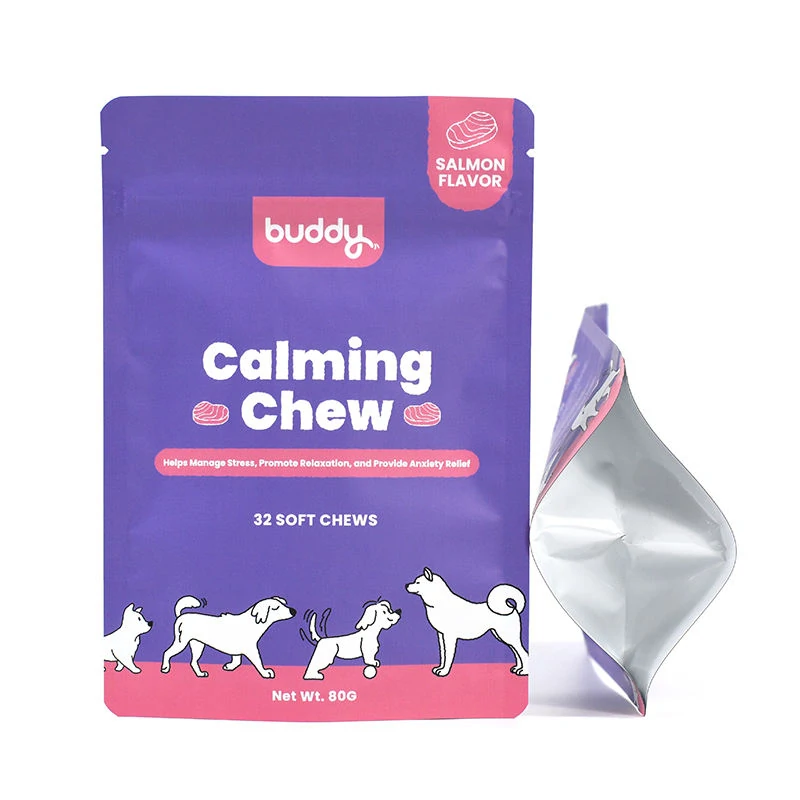
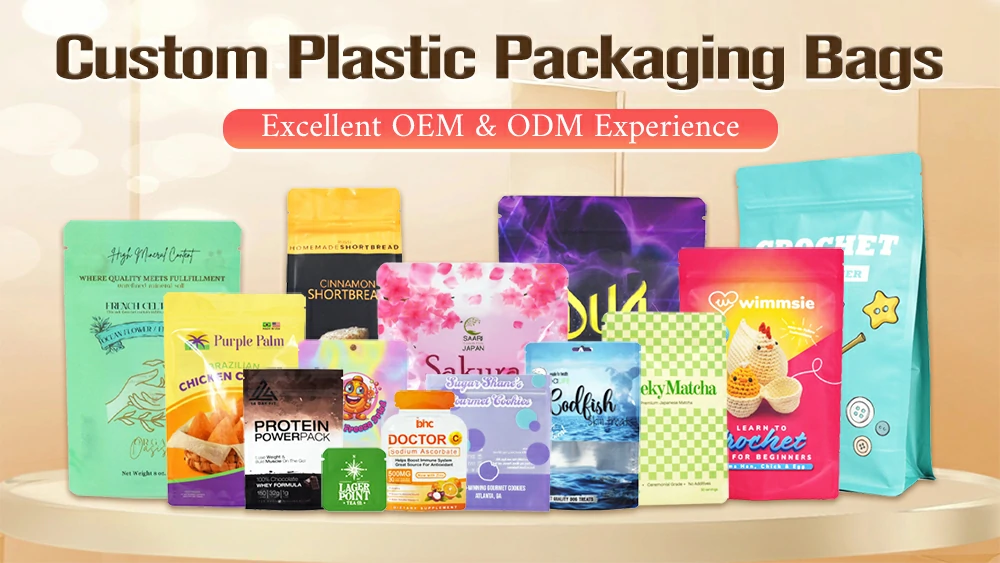
Compostable packaging bags are mostly made from natural raw materials.
Under industrial-standard compost surroundings, they fully turn into carbon dioxide, water and organic humus without plastic waste left behind. Their breakdown creates no harm to microbes, wildlife or plants.
Common options cover kraft paper, PLA, PBAT, plus barrier-enhanced VMPLA. Its thin vapor-deposited aluminum layer degrades alongside the base film, without ruining the bag’s compostable trait.
Choose
Correct
Material for Your Products
The core purpose of packaging bags is to keep contents in proper storage conditions, so picking the right material matters a lot. Different materials block light, moisture and oxygen to varying degrees. (Higher scores mean better barrier performance)
OPTIONS
MATERIAL
OXYGEN
MOISTURE
LIGHT
Basic
Popular
High Barrier
Kraft/PLA
Kraft/PBAT
Kraft/VMPLA/PBAT
Types
of Compostable Material
Makepac can provide various kinds compostable material to make pouches.
Kraft Paper
Made from unbleached wood pulp, this thick paper has natural rough texture. It brings eco-friendly visual sense, good stiffness, but poor moisture and oxygen barrier performance, needs composite films for food storage.
PBAT
Polylactic acid made from plant starch, fully compostable. It features high transparency and rigidity, yet turns brittle under low temperature, with average barrier against water vapor and oxygen.
PLA
Polylactic acid made from plant starch, fully compostable. It features high transparency and rigidity, yet turns brittle under low temperature, with average barrier against water vapor and oxygen.
VMPLA
Aluminum vacuum-coated PLA film. The thin aluminum layer greatly boosts light, oxygen and moisture blocking ability, keeps full biodegradability, a substitute for non-degradable aluminized PET.
Technical Specifications
The thicker the material, the better its barrier properties.
OTR (Oxygen Transmission Rate)
@ 23℃, 0% RH, Unit: cm³ / (m²・24h・Atm)
WVTR (Moisture Vapor Transmission Rate)
@ 38℃, 90% RH, Unit: g / (m²・24h)
Material
OTR
WVTR
Est. Shelf Life
Kraft/PLA
100 ~ 180
80 ~ 120
2~3 Months
Kraft/PBAT
180 ~ 260
100 ~ 160
2~3 Months
Kraft/VMPLA/PBAT
4.6
4.7
4~6 Months
What's the
Difference
Between PLA and PBAT?
This table describes the different characteristics of PLA and PBAT. Please select the appropriate material according to your product. If you have any questions, please contact us.
Comparison
PLA
PBAT
Raw Material Source
Derived from corn/cassava starch, bio-based & renewable
Petroleum-based copolyester, non-renewable
Handfeel
Rigid, brittle; easy to crack after folding
Soft & elastic, resistant to repeated folding and low temperature
Heat Sealing
Narrow sealing temperature window; brittle seal prone to breakage; poor oil resistance
Only decomposes fully under industrial conditions.
Degrades rapidly in industrial compost, normal soil or seawater
Disadvantages
Prone to cracking at folded edges, poor oil resistance, easy melt-through during heat sealing
Low transparency, higher raw material cost
Standards
for compostable bags
Biodegradation Rate (Within 180 days)
The carbon-to-CO₂ conversion ratio of the materials is ≥90%
Each component accounts for ≥1% of the raw material degradation rate≥60%; the total proportion of trace auxiliary materials is ≤5% and they are biodegradable.
Disintegration Rate (Within 90 Days)
After passing through a 2mm sieve, the mass of residual large pieces of material is less than 10%, and there are no intact packaging bag fragments.
Heavy Metals Analysis
Heavy metals such as lead, cadmium, mercury, and chromium are below the national standard limits for fertilizers, and the residue from the aluminum-plated VMPLA aluminum layer does not exceed the standard.
Ecotoxicity Test
The compost residue does not inhibit seed germination, does not poison earthworms, and causes no ecological pollution.
Industrial
Composting Condition
Natural decomposition often takes a long time, so scientists have tested environmental conditions that accelerate decomposition—industrial degradation.
This significantly speeds up the rate and extent of degradation, making the large-scale use of biodegradable packaging bags possible.
Control Parameter
Standard Value Range
Description
Constant Temperature
58±2 ℃
Optimal temperature for thermophilic microbes to break down polymer chains of PLA and PBAT
Sustained Temperature
55 ℃ for 28 consecutive days Or 60 ℃ for a total of 7 days
Eliminate pathogens, parasite eggs and weed seeds to realize harmless treatment
Moisture Content
50%~55%
Support microbial metabolism; overly dry conditions make flora dormant while excessive moisture triggers odorous anaerobic fermentation
Oxygen Level
≥10%
Maintain full aerobic environment and stop methane generation from anaerobic reaction
Aeration Rate
0.05~0.1 m³/(h·kg dry compost)
Supply steady fresh air and carry away carbon dioxide produced in degradation
Carbon-Nitrogen Ratio (C/N)
25±5 : 1
Balance nutrients for microbes and keep a stable degradation speed
pH Value
7.0±0.5
Neutral surroundings to avoid acid or alkali suppressing activity of thermophilic microbes