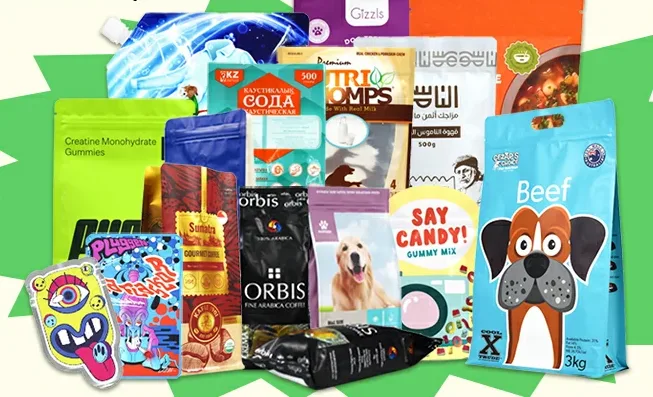
Tips on Mylar Bags For Food Storage
What Are Mylar Bags?
Let’s start with what Mylar actually is. It’s just another name for BoPET, short for biaxially oriented polyethylene terephthalate. It has high transparency and good tensile strength. So many manufacturers use it as a printing material in flexible packaging.
Manufacturers laminate Mylar with aluminum foil and an inner heat-sealable layer to make Mylar foil bags. The great laminated structure offers fantastic barrier performance, keeping moisture, oxygen and light from getting inside the bag.
Table Of Contents
1866 Words, Reading Time 14 Minutes
- Core Performance of Mylar Bags
- What kinds of food can a mylar bag be used to store?
- Practical designs on the Mylar bag
- Mylar Bag Size Chart
- What Materials Are Mylar Bags Made Of?
- Are Mylar Bags Toxic?
- Mylar Bags Food Safety Standards
- How to use Mylar Bags?
- Can Mylar Bags Be Vacuum Sealed?
- Can Mylar Bags Be Reused?
- How Are Mylar Bags Manufactured?
- How to Print on Mylar Bags?
Which kinds of food can a mylar bag be used to store?
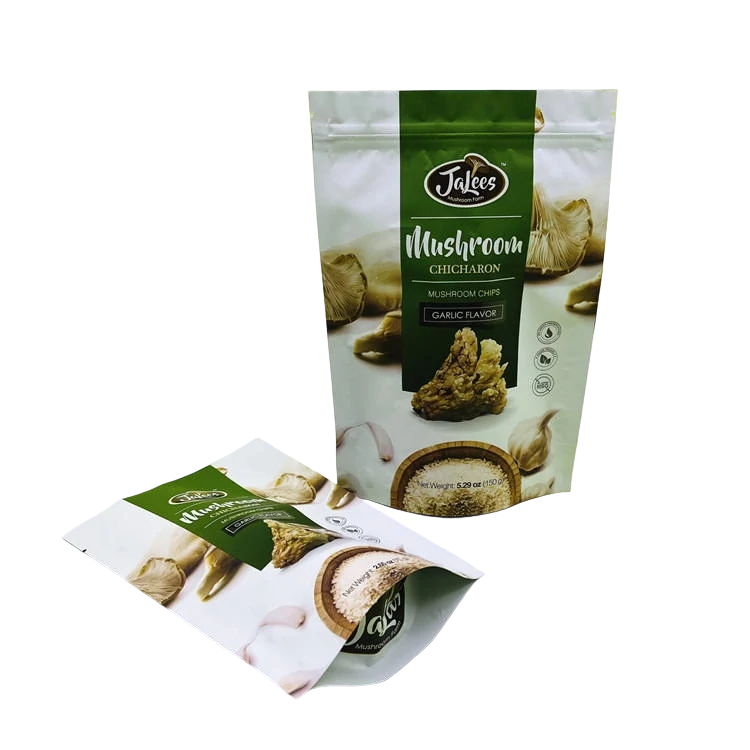
Mylar bags work best for dry, shelf-stable foods that need long-term preservation, and they’re super versatile for daily and emergency use.
Household Food storage: rice, wheat, oats, quinoaa, dried beans, pasta, and flour.
Dried snacks: nuts, dried fruits, beef jerky
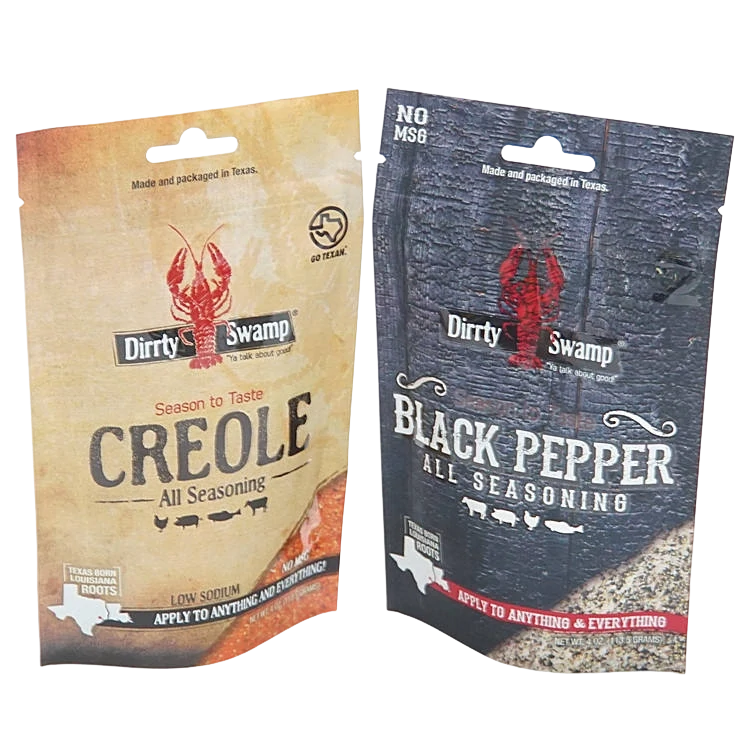
Powdered foods: protein powder, milk powder, and seasoning powder.
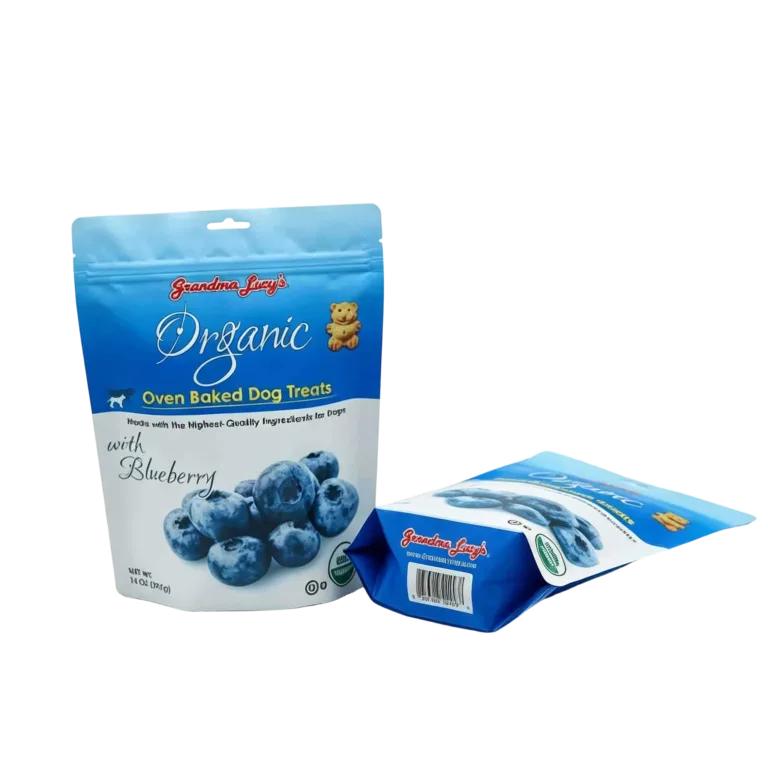
Commercially packaging: pet foods, herbal supplements, and dehydrated camping
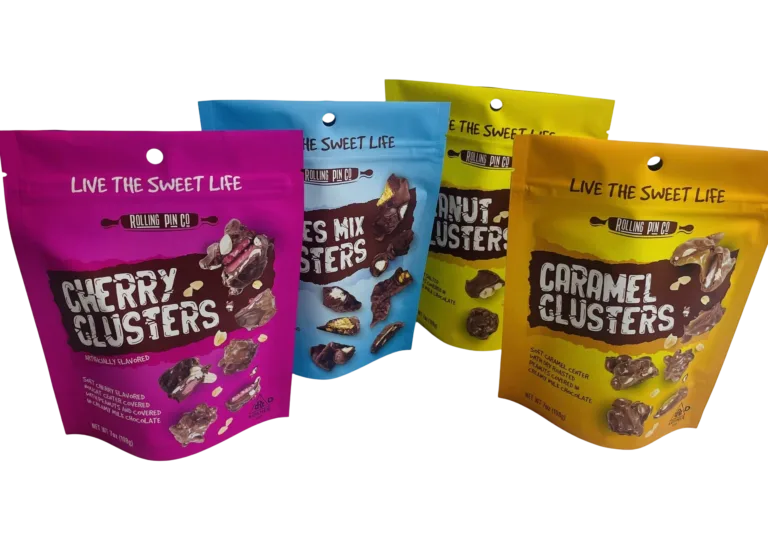
Core Performance of Mylar Bags
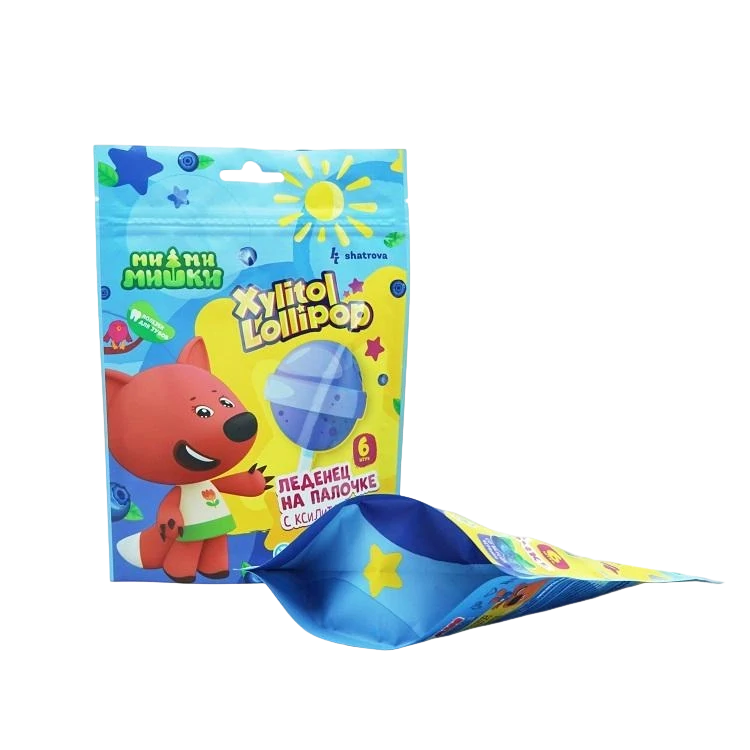
Blocking Oxygen, Moisture & Light
Numbers tell the real story. Compared to regular plastic bags, mylar barrier bags block around 20 times more water vapor and a whopping 200 times more oxygen! That’s why packing food in mylar bags can massively extend its shelf life.
MVTR
Moisture Vapor Transmission Rate (g/m²·24hr)
It measures how much water vapor can pass through your packaging material over time. Lower MVTR = way better at keeping moisture out, so your goods won’t get damp.
OTR
Oxygen Transmission Rate (cc/m²·24hr·atm.)
It tells you how much oxygen seeps through the film. A low OTR means far less oxygen gets inside the bag. This stops fats from going rancid and slows food oxidation.
Custom Mylar Pouches Wholesale
Tell us your product type, quantity, and packaging needs. We’ll recommend the right bag style, material structure, and printing solution.
Practical designs on the Mylar bag
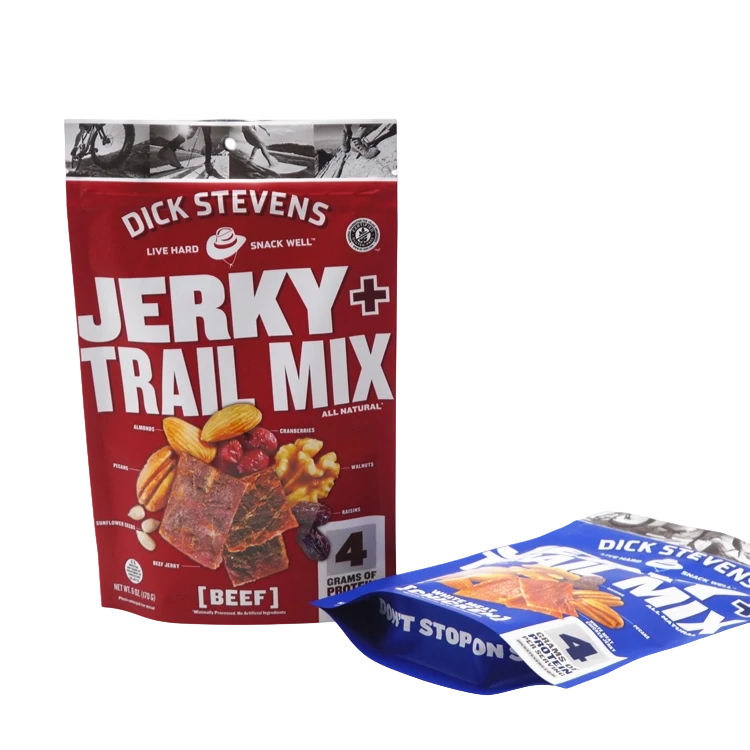
Modern Mylar bags come with tons of practical designs that make storage way more convenient.
Self-Standing: Stand steadily on shelves or in pantries without tipping over, saving lots of storage space.
Resealable zipper: This design lets you open, take what you need, and seal it back tightly to maintain freshness.
Tear notch: This is another common feature, making the bag super easy to open without scissors.
Transparent windows: you can quickly check the food condition inside without opening the bag.
These flexible designs balance long-term preservation and daily usability perfectly.
| Size (mm) | Rice (g) | Thickness |
|---|---|---|
| 90*130*60 | 110 | 100 Microns |
| 100*150*60 | 165 | 100 Microns |
| 110*170*60 | 275 | 100 Microns |
| 120*200*80 | 400 | 120 Microns |
| 140*200*80 | 600 | 120 Microns |
| 150*220*80 | 730 | 140 Microns |
| 160*240*80 | 910 | 140 Microns |
| 180*260*80 | 1100 | 150 Microns |
| 200*300*80 | 1600 | 150 Microns |
| 220*320*100 | 2300 | 150 Microns |
| 240*370*100 | 3200 | 170 Microns |
| 260*380*120 | 4200 | 170 Microns |
Mylar Bag Size Chart
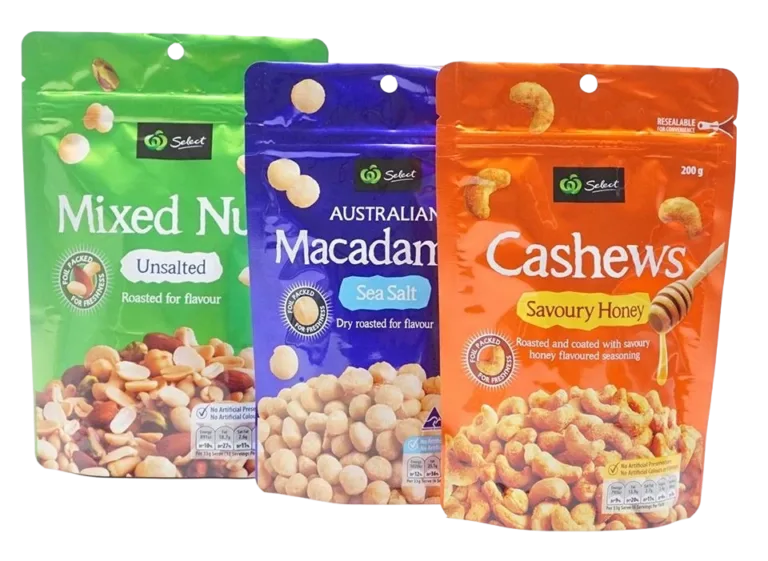
Mylar bags come in a wide range of standard sizes to fit different storage needs. We offer standard sizes such as 1 ounce, 28 grams small mylar bags or 1 pound and 5 gallon large mylar bags.
Custom dimensions and thickness options are also available, so you can totally tailor the bag to fit your specific food volume and storage duration needs.
What Materials Are Mylar Bags Made Of?
As mentioned at the start of the article, Mylar bags are a type of plastic laminated bag. They most often use a three-layer structure made of PET, AL, and PE.
Some upgraded versions add a PA nylon layer to boost puncture resistance and toughness. If you must use the packaging bags at high temperatures, like hot filling or sterilization, replace PE with RCPP.
In addition to the main structure mentioned above, the following components are also included:
Adhesive: Used to bond multiple layers of materials
Printing ink: Water-based or UV ink
Plastic additives: Substances that enhance the performance and functionality of plastic films
Are Mylar Bags Toxic?
As you can see, the packaging contains many chemicals, some of which you may have never seen or heard of before.
But you don’t need to worry about safety at all; high-quality food-grade Mylar bags are completely non-toxic and safe for daily food storage.
This isn’t just some empty promise.
Lots of regulations say certain harmful substances shouldn’t show up in packaging at all, while others can’t go above set limits. The following are the main monitoring substances in packaging bag safety testing.
- BPA
- Heavy Metals
- SVHC substances
- PFAS
Mylar Bags Food Safety Standard Test
Qualified food-grade Mylar bags need to pass a full set of food contact safety tests to guarantee safe usage. That’s why you need to buy from compliant manufacturers and ask them for food‑contact safety certificates for the bags.
The following are packaging certificates and factory qualification certificates related to food contact safety.
FDA
REACH
EU
BRC
ISO 9001 & ISO 22000
Need to customize Mylar Bags?
Tell us your product type, quantity, and packaging needs. We’ll recommend the right bag style, material structure, and printing solution.
Pouch Customization Options
Choose the best flexible bag style that suits your product needs. Our flexible packaging solutions are not just containers; they are powerful advertisements that communicate your brand’s message effectively.
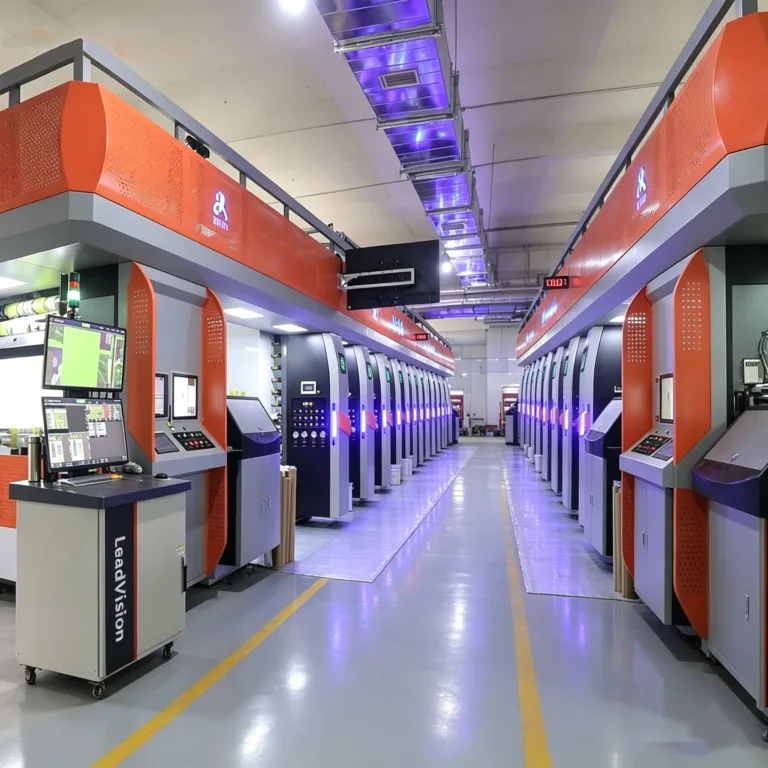
Printing Method
Makepac can do digital, flexo and gravure printing options depending on your requirements.
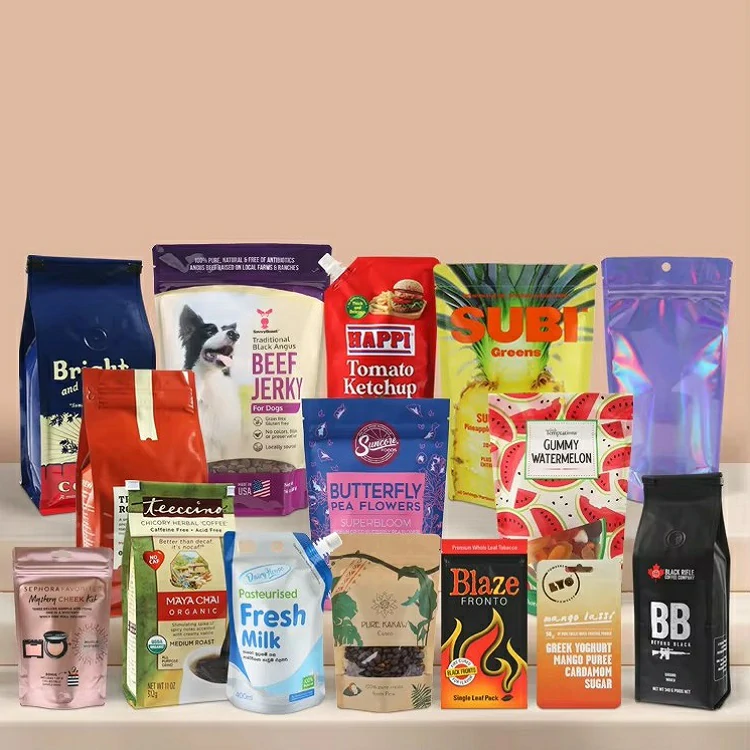
Material
MakePac Offer various kinds of choices: transparent, aluminum foil, kraft paper, recycable
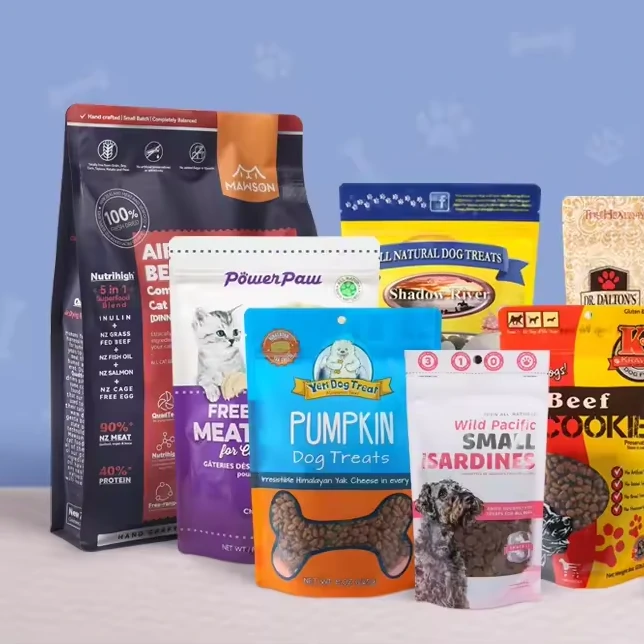
Configurations
Choose the most suitable custom packaging bag for your product. We offer all styles.
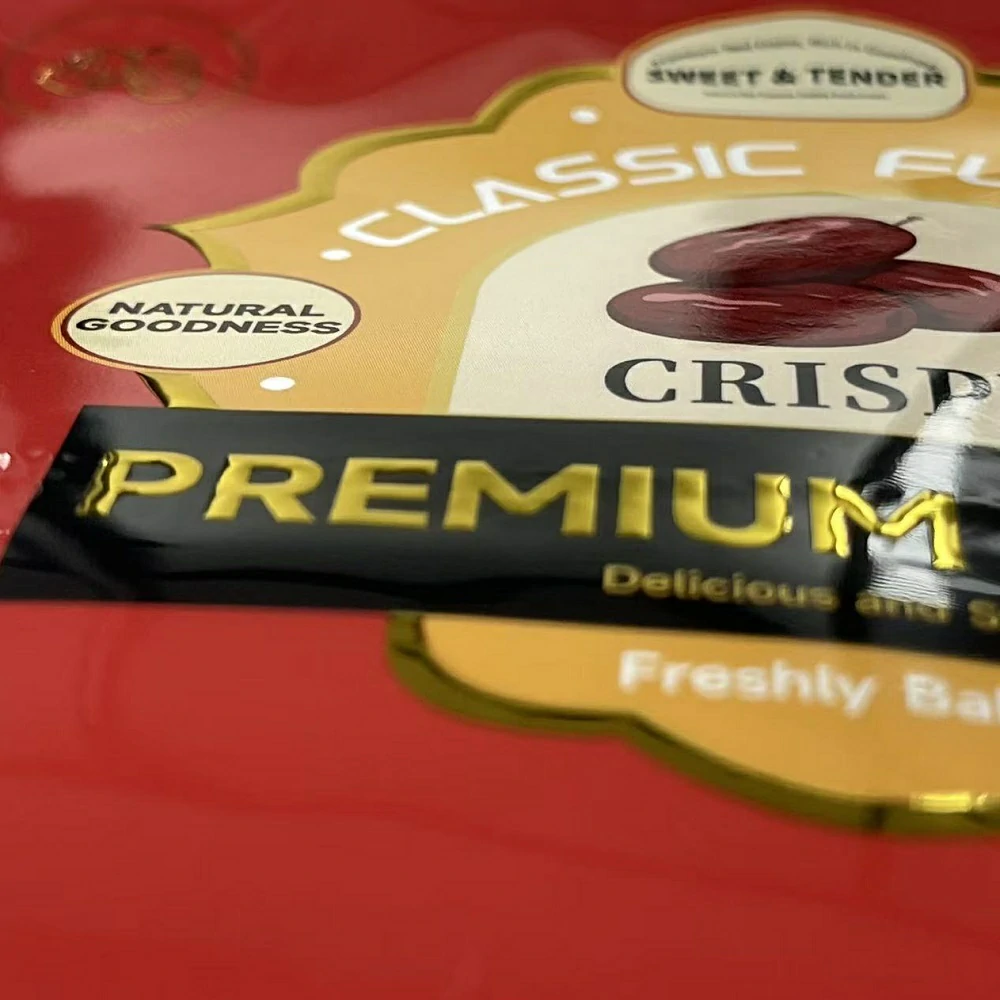
Finishing
Making your packaging bags more attractive and visually appealing is definitely a good choice.
How to use Mylar Packaging Bag?
These bags come with an opening on one side, usually at the top or the bottom. Once you’ve put your items inside, you’ll need some equipment to process these sealable mylar ags.
The innermost layer of the bag is the heat‑seal layer. Under high heat and pressure, this layer melts once it hits its melting point and sticks together. After cooling down, the two melted layers harden and form a sealed edge.
Once sealed, let it cool for a few seconds, then check the edge to make sure it’s fully closed with no tiny gaps or air leaks. A tight heat seal is the key to maximizing food shelf life.
You should check with your bag supplier for the right temperature, pressure and dwell time for sealing. That way you get nice, strong seals that won’t fail. Depending on your budget and how much you need to produce, you can go for smaller semi‑automatic machines or big fully‑automatic production lines.
Vacuum Sealed Mylar Bags
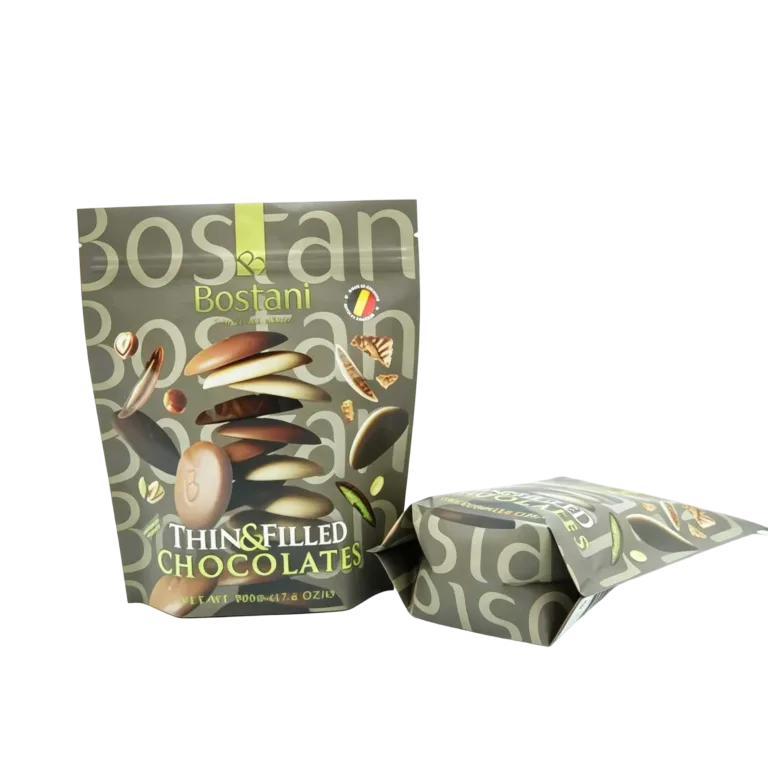
Slow down oxidation and spoilage
By sucking the air out of the bag, you can greatly slow fat oxidation and food going rancid. Meat, nuts and grains won’t go bad nearly as fast.
Stop aerobic microbes from growing
Most mold and spoilage bacteria need oxygen to thrive. A vacuum environment cuts down the chance of mold and rot a lot. Just keep in mind it doesn’t kill germs completely and cannot replace heat‑based sterilization.
Cut warehousing and shipping costs
Vacuum compresses your goods so the bags take up less space. The same quantity fits into fewer boxes and less warehouse room, bringing down freight and storage expenses. This works really well for things like tofu cat litter and rice.
Can Mylar Bags Be Reused?
Poor seal at the top
To get into the bag, you tear it along the notch and then use the zipper. Once torn, the heat‑sealed layer above the zipper is gone. Air and moisture can sneak in from the top. The zipper offers some barrier protection, but overall sealing gets much weaker.
Hard to get fully clean
If you’ve stored oily food inside, you can hardly wash the interior thoroughly. Over time, leftover grease turns rancid and breeds bacteria.
Fading barrier performance
Laminated bags aren’t built for forever‑long storage. As time passes, adhesives and films slowly age. This hurts peel strength, heat‑seal ability, and barrier properties.
These bags usually come with a zipper, so you can open and close them repeatedly over a short period. For example, a pack of cookies can stay fine for you to finish within half a year. Still, they’re only meant to be temporary containers — not for long‑term reuse.
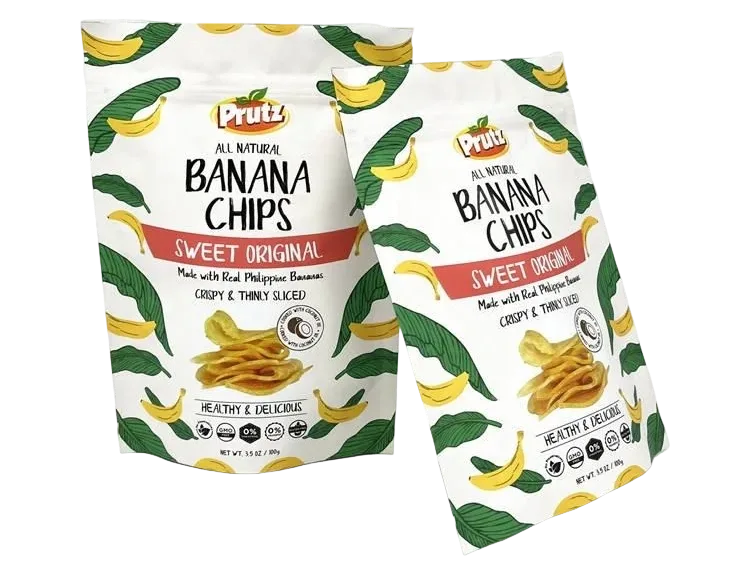
How Are Mylar Bags Manufactured?
Turning raw plastic pellets into finished packaging bags goes through a pretty involved process. Let me walk you through the key steps quickly.
Film blowing: Plastic pellets go into the hopper. The machine heats the pellets until they melt, then pushes the molten material through a circular extrusion die. Compressed air blows out from the centre of the die to inflate the tube just like blowing up a balloon and creates a bubble of film. Next, it gets cooled, set, folded, pulled and rolled up to make the finished film roll.
Lamination: Multiple material layers are bonded together with adhesive or molten resin to create multi‑layer composite film.
Curing: Rolled laminated films are hung upright inside an enclosed curing room with circulating hot air. This boosts the bonding strength between layers and gets rid of leftover solvent.
Bag making: Load the film rolls onto the bag‑making machine. It does edge folding, vertical heat‑sealing, cross heat‑sealing plus other secondary processes. Finally, the material gets cut apart into individual reseable mylar bags.
How to Print on Mylar Bags?
Gravure Printing
It uses solvent‑based composite inks. Patterns are engraved onto metal rollers. It delivers rich color saturation and super sharp artwork, perfect for large‑volume orders.
Flexo Printing
It uses raised‑image photopolymer plates and eco‑friendly water‑based inks, which press directly onto the print surface. Great for kraft paper laminated bags with soft‑looking colors. Lots of compostable packaging uses flexo printing these days.
Digital Printing
No physical printing plates required. Ideal for small runs, sample prototypes and multiple SKUs with low minimum order quantities. Unit cost is higher than gravure or flexo printing.
Packaging bags aren’t just storage containers — they’re also portable marketing tools you can use anywhere.
Just like your personal details printed on a business card, product info can be printed right onto the bag.
Good food‑grade ink is safe: no harmful substances, and no ink migration, so you’ve got nothing to worry about.
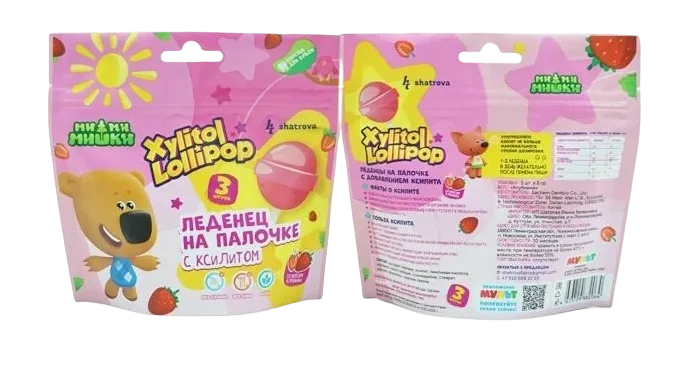
Printing Layer Structure
Tired of using clear and white mylar bags? Customize your own printed bags now!
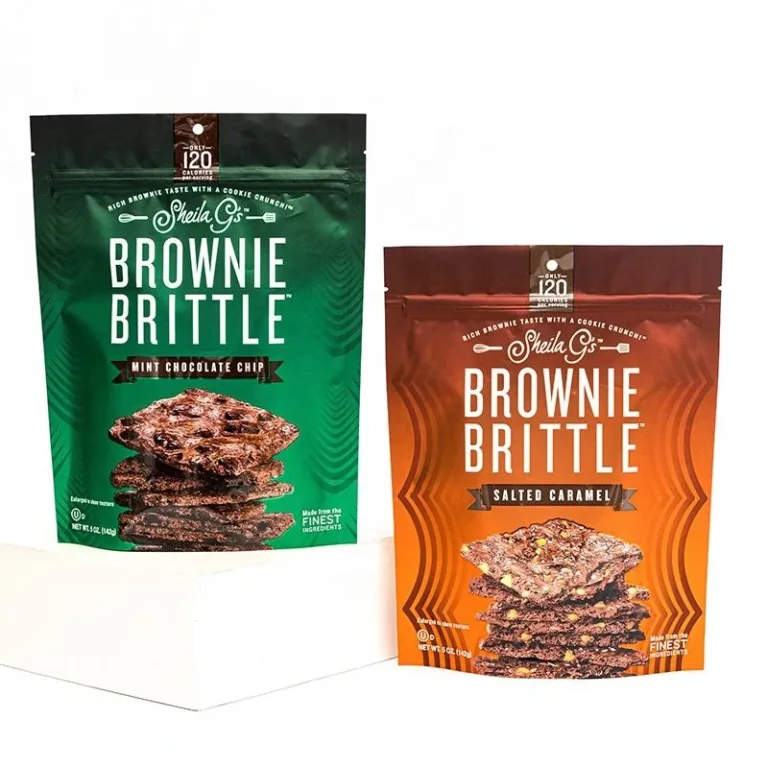
Reverse Print
Ink gets printed on the inner side of a plastic film, then laminated to the barrier layer. This forms a sandwich setup. The ink sits sandwiched between layers, so it never touches the outside. No scratching from friction, no fading or peeling. The ink also never comes into contact with contents inside, fully guaranteeing food safety.
Surface Print
Positive‑reading graphics are printed straight onto the material surface. Mostly seen with flexo printing on kraft paper.
Double Side Print
Cool hidden designs on the bag’s inside surprise customers when they open it. Just like outer‑surface printing, the inner side uses reverse‑side printing. Ink never touches the food inside the bag.