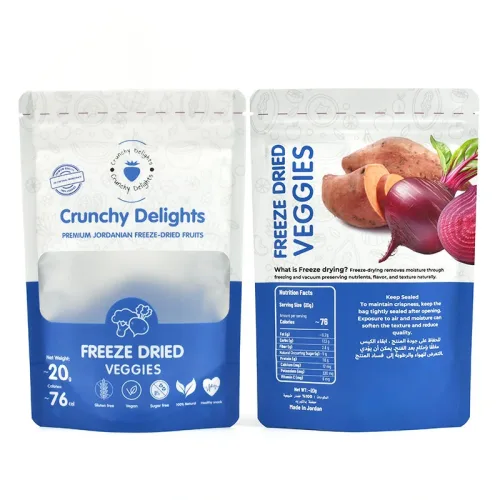
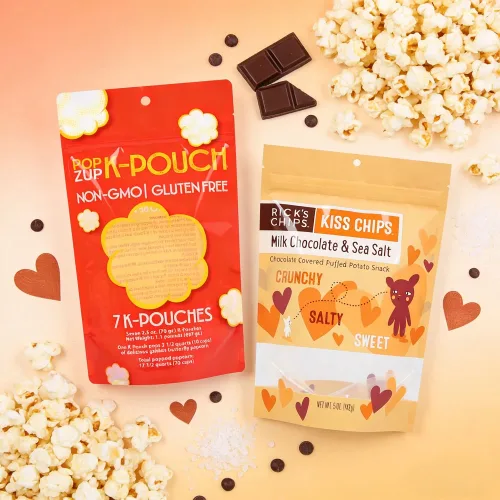
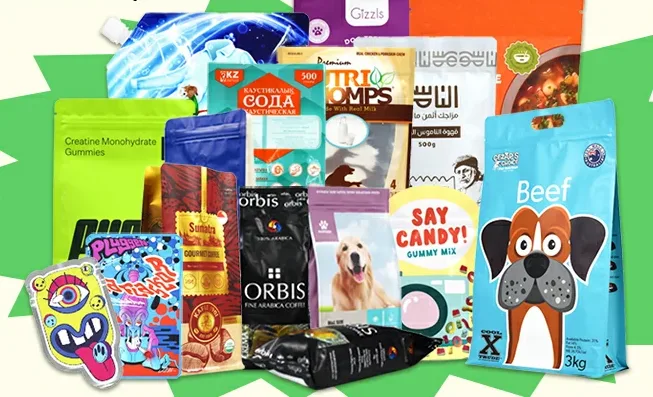
Transparent packaging bags bond two or more transparent films together. Light passes through them easily, yet they only block oxygen and water vapor weakly.
Even after multiple clear films are laminated together, the finished pouch stays transparent all the way through.
Makepac source only high quality fresh plastic pellets. This ensures our films come out in high transparency, flat and silky smooth. We also offer matte clear films, which give the bags a soft frosted finish.
Aluminum Foil
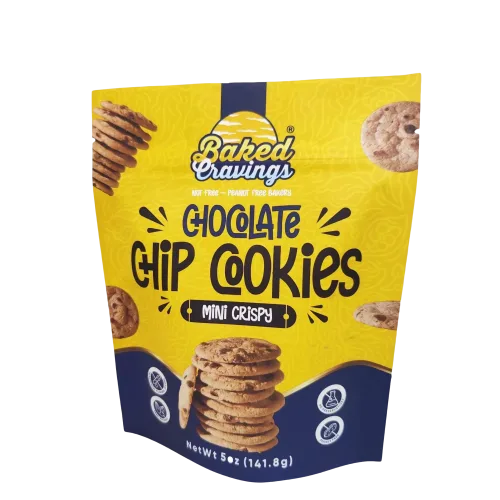
Aluminum Foil Bag refers to multi-layer laminated bags that take aluminum foil or metallized film as the barrier layer. They generally consist of a printed layer, barrier layer and heat seal layer.
They deliver great protection against light, oxygen and moisture. Their barrier power exceeds clear plastic films by over 10 times.
For food products, this massive boost in barrier performance greatly extends shelf life, so they are widely adopted across the food industry.
The metallic aluminum layer sits sandwiched between the printed outer layer and inner heat-seal PE layer. It never touches outside or the food contents inside, making it fully safe for use.
Recyclable Material
Recyclable packaging bags are made of a single material and can be recycled back into plastic raw materials after use.
Recycling reduces the extraction of new resources, decreases landfill and incineration, and protects the environment.
Currently, the mainstream packaging options are recyclable PE or recyclable PP. Nanoscale aluminized materials can also be added to increase the barrier properties of the packaging without compromising its recyclability.
Kraft paper
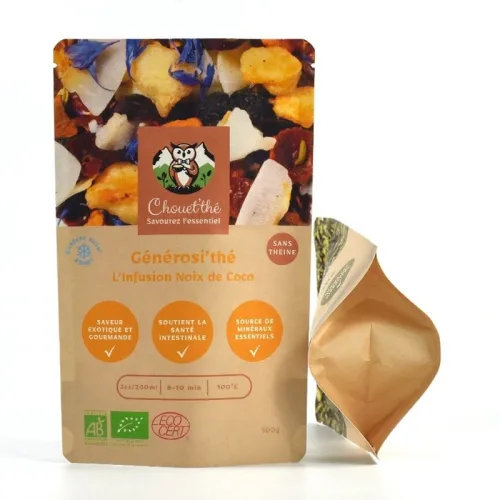
Kraft paper packaging bag is different with common plastic pouch, it brings people eco-friendly, natural and premium vibes, ideal for healthy goods like nuts and beef jerky.
Traditional kraft bags use paper only, but mordern kraft paper is usually laminated with plastic or metallized film layers. They keep special looks and block oxygen, moisture and light well.
Makepac supplies various biodegradable materials. The bags still stay fully degradable after lamination.
Compostable Material
Compostable packaging bags are mostly made from natural raw materials.
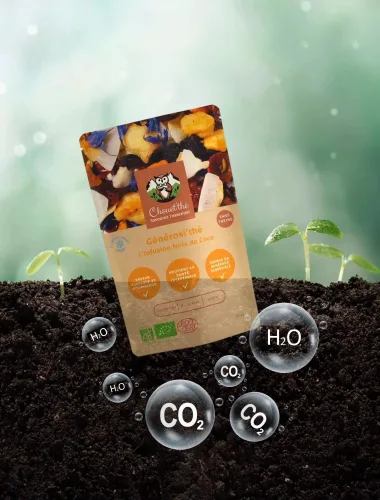
Under industrial-standard compost surroundings, they fully turn into carbon dioxide, water and organic humus without plastic waste left behind. Their breakdown creates no harm to microbes, wildlife or plants.
Common options cover kraft paper, PLA, PBAT, plus barrier-enhanced VMPLA. Its thin vapor-deposited aluminum layer degrades alongside the base film, without ruining the bag’s compostable trait.