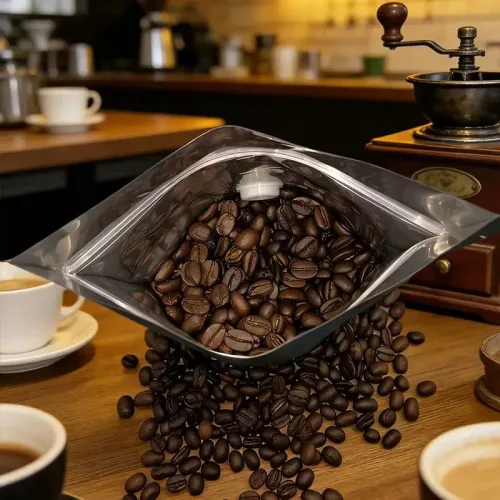
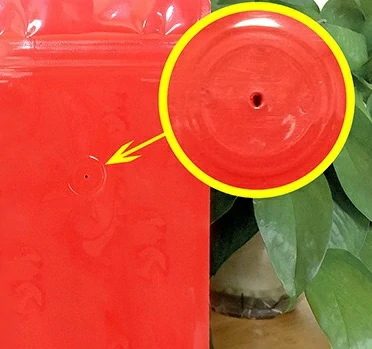
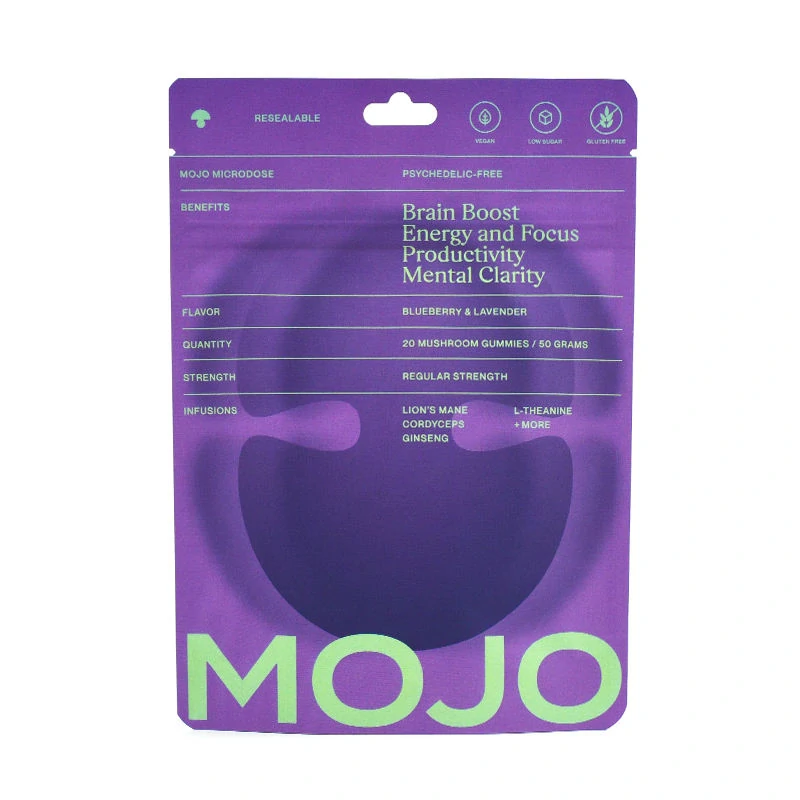
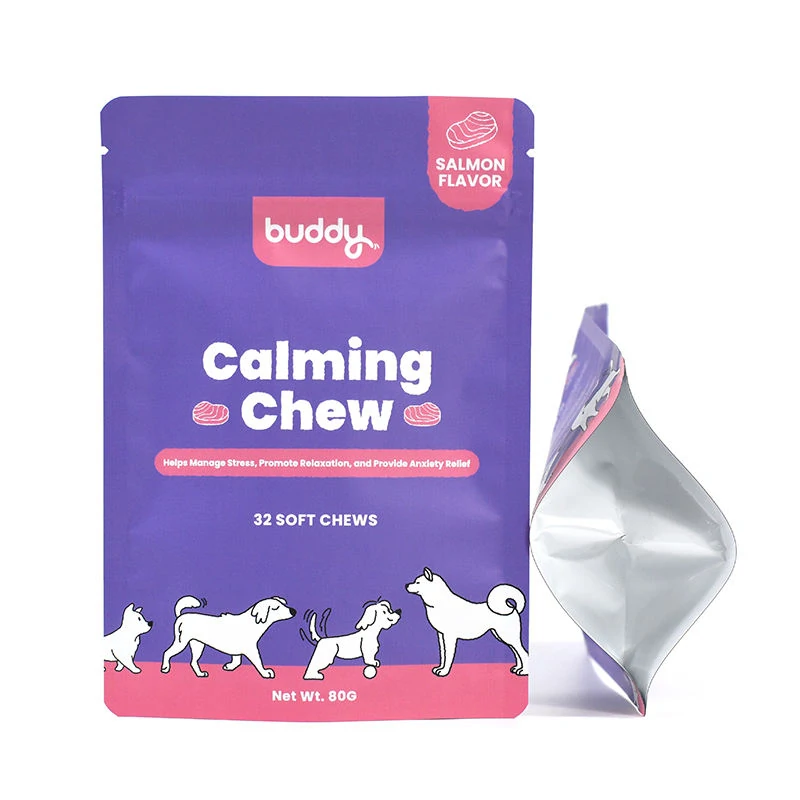
When we stroll through supermarkets or coffee shops selecting coffee beans, we may have curiously observed the coffee bean packaging. Have you noticed that many bags have a small hole on the bags?
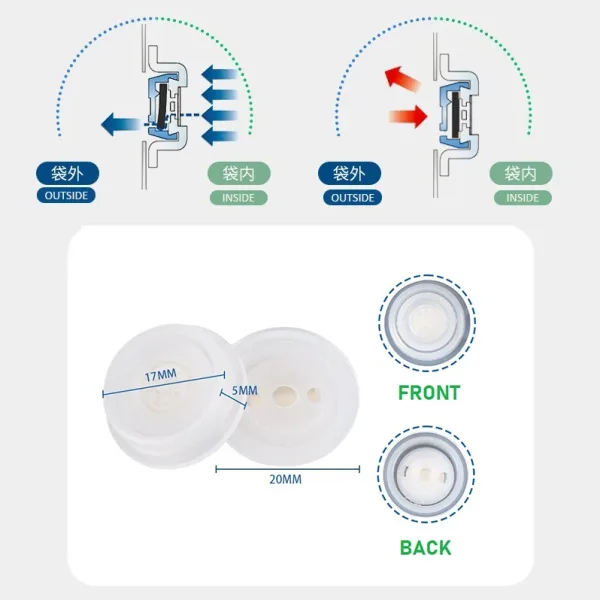
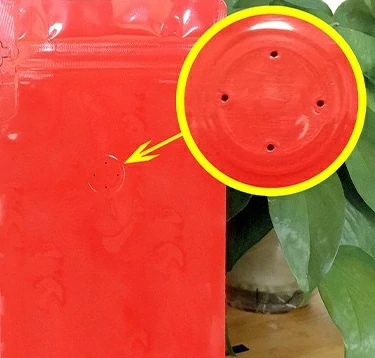
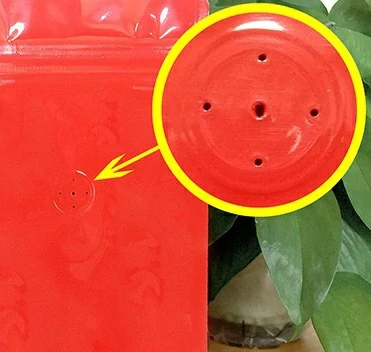
These holes are actually a device called a “one-way degassing valve,” which allows gas to escape only in one direction, preventing outside gas from entering in the opposite direction.
The
Function
of the valve on a coffee bag
Preventing bag from swelling
Coffee beans keep releasing plenty of carbon dioxide as they cool down. Trapped gas inside sealed bags has no way out, and the swelling force may split the whole pouch open.
The small air valve fixes this issue. When gas piles up and pushes internal pressure higher than air outside, it lifts the valve flap to let extra gas escape. Once pressure inside and outside levels out, the flap falls back and seals the opening tight again.
Press to smell the aroma
Walking past coffee shops, rich coffee scent drifts out and draws many people inside to order a cup of coffee. The same rule works for packaged coffee beans. Shoppers are far more likely to buy if they can smell the natural roasted coffee aroma.
Press the pouch gently, and the bean smell drifts out through the air valve. This brings an extra unexpected use for the small vent.
Transportation safety
Boxes hold sealed coffee pouches neatly for shipment. Shifting, squeezing and heavy stacking happen often during moving or delivery trips. Bags without these special valves stand high risk of bursting under rough knocks. This gives another key reason why every coffee pack needs a vent valve fitted.
Preserve the aroma of coffee beans
Outside oxygen and water steam can never slip back into the pouch through this valve. Coffee beans stay stored under steady suitable conditions all the time.
This stretches both shelf life and best tasting period by a wide margin. Roasters can bake large batches of beans without worry, while people who love coffee get to savour their stock little by little over time.
FAQ of Degassing Valve
What is the material of the air valve?
The valve is made of PE, non-woven fabric, and silicone, and all materials meet food contact safety standards.
Where to add the degassing Valve?
Valves work best set in the middle of the bag’s back side.
30 to 50 mm down from the top heat sealing area. If there is a zipper on the bag, the valve should be placed 25 to 40 mm down below the zipper.
Once filled, coffee beans sink toward the pouch bottom and leave empty headspace up top. Released carbon dioxide rises and gathers in this upper zone, so the trapped gas can be cleared far faster.
Shall we add degassing Valve on Coffee Powder Bags?
Yes, it’s necessaary. Whole coffee beans stay wrapped in firm intact husks, so gas seeps out not very fast.
Ground coffee breaks all inner structures apart, with surface areas dozens of times larger than whole beans. It dumps massive CO2 within days, and bags bulge badly 2 to 7 days after filling without a valve.
Tiny mesh pores block fine coffee dust and oil crumbs fully, only letting carbon dioxide pass through.
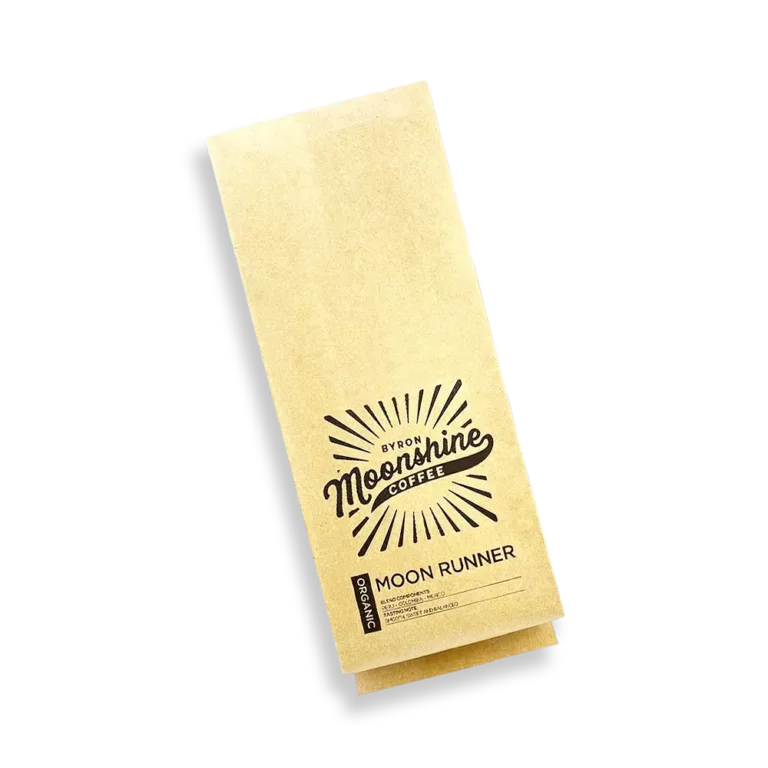
Valves on Different Pouches
Stand Up Pouches
Flat Bottom Pouches
Side Gusset Pouch
Three
Degarssing
Grades
Coffee beans roasted to different levels produce carbon dioxide at different rates, therefore it is necessary to select the appropriate air valve.
Center 1 Hole
Edge 4 Holes
5 Holes
Pouch Customization Options
Choose the best flexible bag style that suits your product needs. Our flexible packaging solutions are not just containers; they are powerful advertisements that communicate your brand’s message effectively.
Printing Method
Makepac can do digital, flexo and gravure printing options depending on your requirements.